
Many people believe cockroaches only live in kitchens or bathrooms, but the reality is very different. Cockroaches spend most of their lives hidden in places that homeowners rarely notice, only emerging when they feel safe or need food and water. This is why seeing a single cockroach often means that dozens—or even hundreds—are hiding nearby. Knowing where cockroaches hide is the first and most important step toward successful control because no treatment program can eliminate an infestation if the primary breeding sites remain untouched. In this article, we explore the most common cockroach hiding places inside homes in Kuwait, explain how to identify them before the infestation spreads, and show why discovering these hidden locations is essential for long-term cockroach control.
Cockroach Hiding Places

Understanding Cockroach Hiding Places is the foundation of every successful cockroach control program because cockroaches rarely remain in open areas. Instead, they actively seek dark, warm and humid environments where they can stay hidden during the day. Therefore, seeing a cockroach running across your kitchen floor does not mean it lives there. In most cases, it has simply emerged from a nearby hiding place before quickly returning once it senses danger.
The exact Cockroach Hiding Places vary depending on the cockroach species and the design of the property. Some species prefer narrow wall cracks, while others establish colonies behind electrical appliances, inside cabinets, beneath sinks or around plumbing systems. Professional pest control companies therefore inspect every potential hiding location instead of focusing only on the place where the customer first noticed the insect.
Practical field experience consistently demonstrates that infestations continue for long periods when technicians eliminate only visible cockroaches while leaving their primary nesting sites untouched.
Common Cockroach Hiding Places include:
- Behind household appliances
- Beneath sinks
- Inside kitchen cabinets
- Narrow structural cracks
- Around plumbing pipes
- Behind wooden wall panels
Finding the real hiding places is the key to eliminating cockroach infestations permanently.
Cockroaches Behind the Refrigerator
Cockroaches Behind the Refrigerator represent one of the most common situations encountered by professional pest control technicians in Kuwaiti homes because the area behind the refrigerator provides nearly everything cockroaches need to survive. It offers warmth generated by the compressor, moisture from condensation, limited human disturbance and food particles that often accumulate in hard-to-reach spaces.
Many Cockroaches Behind the Refrigerator remain unnoticed for long periods because most homeowners move their refrigerator only during deep cleaning or maintenance. This allows cockroaches to reproduce safely while gradually increasing their population.
Practical field experience consistently shows that numerous infestations begin behind refrigerators before expanding to cabinets, beneath sinks and eventually throughout the kitchen.
When inspecting for Cockroaches Behind the Refrigerator, examine:
- The rear section
- Ventilation openings
- Beneath the refrigerator
- The wall behind the appliance
- Food residue
- Moisture accumulation
The area behind the refrigerator should always be one of the first places inspected whenever cockroach activity is suspected.
Cockroaches Under the Sink

Finding Cockroaches Under the Sink is one of the most common warning signs in residential properties because this area combines moisture, warmth and plumbing systems, creating ideal conditions for cockroach nesting and reproduction away from human activity.
Cockroaches Under the Sink also benefit from gaps surrounding water pipes, narrow cracks and enclosed cabinet spaces, allowing infestations to remain hidden for extended periods unless the area is carefully inspected.
Practical experience consistently demonstrates that many professional cockroach treatment programs begin beneath the sink because this location frequently serves as the primary starting point for kitchen infestations.
When checking for Cockroaches Under the Sink, inspect:
- Plumbing pipes
- Interior cabinet corners
- Behind the cabinet
- Water leakage areas
- Structural cracks
- Persistent moisture
The area beneath the sink deserves careful inspection whenever searching for the origin of a cockroach infestation.
Cockroach Nests
Many people assume cockroaches constantly move around the house, but in reality they spend most of their time inside Cockroach Nests that provide safety, warmth and easy access to food. These nesting locations are rarely visible because they are usually hidden inside wall voids, behind cabinets or between appliances and surrounding structures.
Professional knowledge shows that Cockroach Nests are typically established close to water and food sources because cockroaches prefer minimizing the distance they travel each night. Eliminating visible insects alone rarely solves the problem if the nests remain untouched.
Practical field experience consistently demonstrates that recurring infestations almost always result from untreated nesting locations while only visible cockroaches are removed.
Common Cockroach Nests include:
- Behind cabinets
- Inside hollow walls
- Beneath appliances
- Around plumbing
- Narrow structural openings
- Behind decorative wall panels
Locating the true nesting sites greatly reduces the likelihood of future infestations.
Cockroaches in the Kitchen
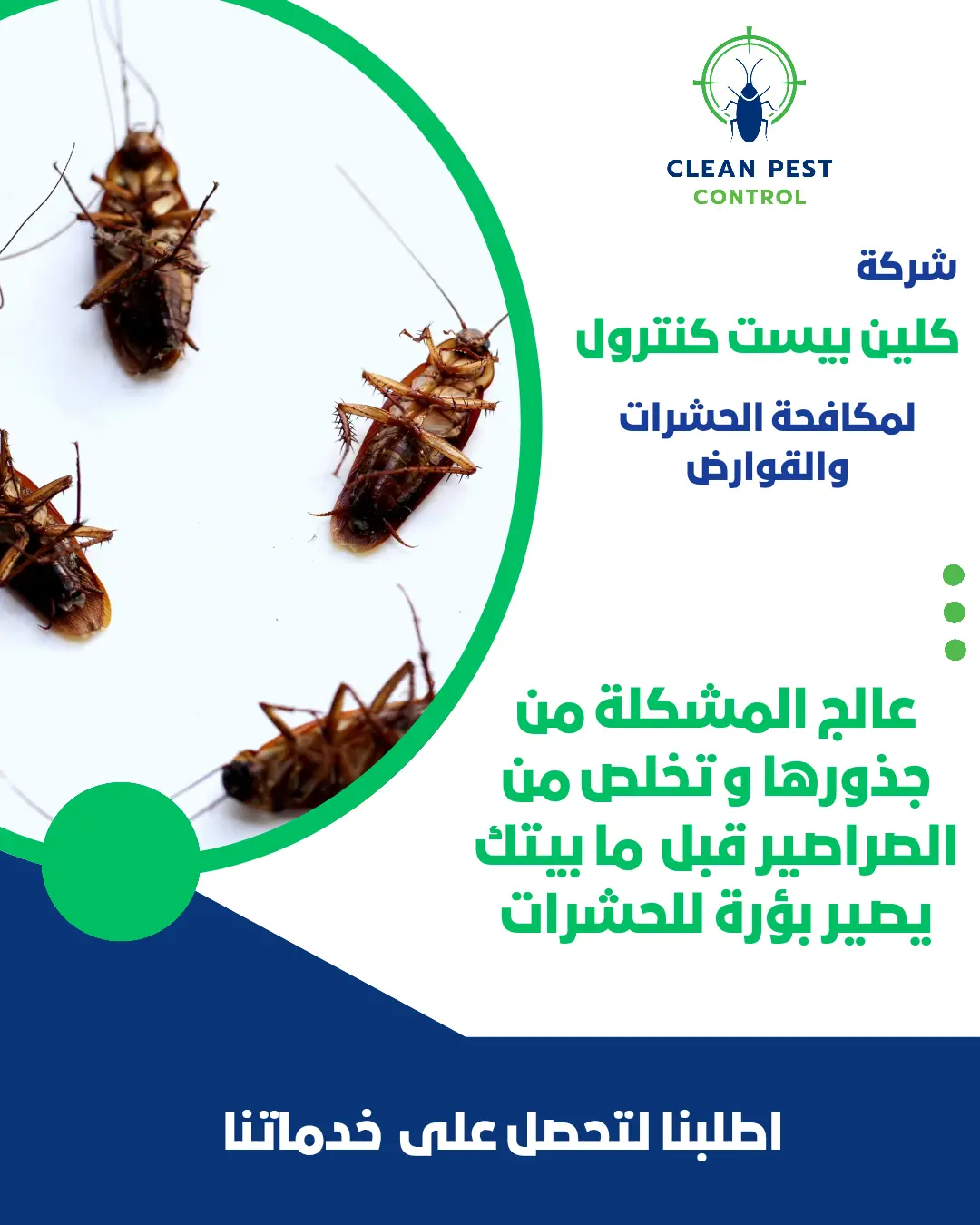
Cockroaches in the Kitchen represent the most common household infestation because kitchens provide food, water and warmth within a single environment. These conditions allow cockroaches to survive and reproduce for long periods if left untreated.
The most common Cockroaches in the Kitchen locations extend far beyond floors. They include cabinets, drawers, beneath sinks, behind appliances and around utility openings. Cleaning visible surfaces alone is therefore insufficient for eliminating infestations.
Practical experience consistently demonstrates that kitchen infestations frequently spread to other areas of the house when moisture and food sources remain available.
Typical Cockroaches in the Kitchen locations include:
- Behind refrigerators
- Beneath ovens
- Inside cabinets
- Under sinks
- Behind dishwashers
- Around plumbing connections
Every hidden corner of the kitchen can become a suitable environment for cockroach activity.
Cockroaches in the Bathroom
Many homeowners are surprised to discover Cockroaches in the Bathroom, yet bathrooms provide highly favorable conditions because of constant humidity, plumbing systems and drain openings that allow cockroaches to travel between different sections of the building.
Typical Cockroaches in the Bathroom hiding places include spaces behind toilets, beneath sinks, around plumbing systems and inside floor drains. These areas are often difficult to inspect thoroughly during routine cleaning.
Practical experience consistently demonstrates that repeated bathroom sightings may indicate cockroach activity inside drainage systems or hidden wall cavities rather than only inside the bathroom itself.
Common Cockroaches in the Bathroom hiding locations include:
- Floor drains
- Behind toilets
- Beneath sinks
- Around plumbing pipes
- Behind damaged tiles
- Damp corners
Persistent moisture makes bathrooms one of the most attractive environments for cockroaches.
Cockroach Gathering Places
The Cockroach Gathering Places differ from one home to another, yet they all share three essential characteristics: available water, accessible food and secure shelter. Removing one or more of these conditions significantly reduces the likelihood of continued infestation.
These Cockroach Gathering Places are not permanent. Cockroaches relocate whenever environmental conditions change, making routine inspections important for identifying new infestation sites before they become major breeding centers.
Practical experience consistently demonstrates that kitchens, bathrooms and storage rooms remain the most common gathering locations, especially in homes with moisture problems or structural gaps.
Typical Cockroach Gathering Places include:
- Kitchens
- Bathrooms
- Storage rooms
- Behind appliances
- Beneath cabinets
- Around water sources
Any location combining warmth, moisture and food can become a major cockroach gathering area.
Detecting Cockroach Hiding Places
Successfully Detecting Cockroach Hiding Places depends upon careful observation rather than simply seeing insects. Cockroaches spend most daylight hours hidden and usually emerge only at night while searching for food and water. Effective detection therefore requires a systematic inspection covering every potential hiding location.
Professional Detecting Cockroach Hiding Places begins by identifying areas where cockroaches are repeatedly observed before tracing their movement toward hidden nesting sites behind appliances, beneath cabinets and around plumbing systems.
Practical field experience consistently demonstrates that accurate diagnosis saves considerable time because treating the actual infestation source produces much better results than targeting only visible insects.
Effective Detecting Cockroach Hiding Places includes:
- Complete kitchen inspection
- Bathroom examination
- Moving large appliances
- Tracking cockroach activity
- Inspecting structural cracks
- Monitoring nighttime movement
The more accurate the inspection, the more successful the treatment program becomes.
Cockroach Breeding Sites
Cockroach Breeding Sites are the locations where infestations begin and where reproduction continues. Eliminating visible cockroaches alone cannot solve the problem if these breeding centers remain active. These sites are usually established in quiet, hidden areas where human activity is minimal.
The exact Cockroach Breeding Sites vary depending on the building structure. They may exist inside kitchens, behind walls, near plumbing systems or inside storage rooms. Professional companies therefore perform detailed inspections before implementing treatment.
Practical experience consistently demonstrates that eliminating breeding sites is the primary reason professional cockroach treatment programs achieve long-lasting success.
Common Cockroach Breeding Sites include:
- Behind cabinets
- Inside structural voids
- Around plumbing
- Behind appliances
- Beneath flooring in some cases
- Constantly damp areas
Treating breeding sites prevents new generations of cockroaches from developing inside the property.
Cleaning Cockroach Areas
Regular Cleaning Cockroach Areas helps reduce conditions attracting cockroaches but should never be considered a replacement for professional pest control when an active infestation already exists. Cleaning removes food residue, reduces moisture and exposes hiding places, yet it cannot eliminate hidden breeding populations.
Effective Cleaning Cockroach Areas should include locations frequently overlooked during routine household cleaning, including behind refrigerators, beneath ovens, inside cabinets, under sinks and narrow corners where food debris accumulates.
Practical experience consistently demonstrates that combining regular cleaning with professional cockroach treatment produces the most reliable long-term results.
Professional Cleaning Cockroach Areas includes:
- Removing food residue
- Cleaning behind appliances
- Drying damp areas
- Cleaning cabinets
- Removing old cardboard
- Sealing structural cracks after cleaning
Good sanitation makes homes less attractive to cockroaches but cannot eliminate established infestations by itself.
Why Is Clean Pest Control the Best Pest Control Company in Kuwait?

Clean Pest Control begins every cockroach treatment program with a comprehensive inspection designed to locate hidden nesting sites and primary breeding areas before any pesticide application begins. Professional technicians carefully examine kitchens, bathrooms, cabinets, appliances and every location where cockroach activity commonly occurs.
The company develops customized treatment programs for every infestation while providing preventive recommendations that help homeowners reduce conditions attracting cockroaches. Professional follow-up is also provided whenever necessary to achieve the highest possible treatment success.
Clean Pest Control believes permanent cockroach elimination begins with identifying hidden infestation sources before implementing carefully planned professional treatment programs designed to eliminate breeding sites and prevent future infestations.
Conclusion
Cockroaches rarely live in places you see every day. Instead, they hide inside locations that most homeowners never think to inspect. Identifying these hidden nesting sites is therefore the most important step in successful cockroach control. The sooner breeding sites are discovered, the easier, faster and more cost-effective treatment becomes.
If cockroaches continue appearing inside your home, do not limit treatment to the area where they were first seen. Instead, identify the true infestation source or contact a professional pest control company capable of locating hidden nesting sites and eliminating the infestation from its origin.
Frequently Asked Questions
Where do cockroaches usually hide inside a house?
They commonly hide behind refrigerators, beneath sinks, inside cabinets, around plumbing systems, behind electrical appliances and inside narrow structural cracks.
Why are cockroaches more common in kitchens?
Because kitchens provide food, moisture and warmth, creating ideal conditions for cockroach survival and reproduction.
Is cleaning cockroach hiding places enough to eliminate them?
Cleaning reduces attractive conditions but cannot eliminate active infestations if breeding sites remain hidden inside the property.
How are cockroach hiding places detected?
Professional inspections involve examining likely nesting locations, tracking cockroach activity and carefully inspecting behind appliances, cabinets and damp areas.
Why do customers choose Clean Pest Control?
Customers choose Clean Pest Control because the company accurately identifies cockroach breeding sites, locates hidden nesting areas and delivers professional treatment programs that provide long-lasting results together with preventive guidance and follow-up support.



