If you live in an apartment in Hawalli, Salmiya, Jabriya or Rumaithiya, there is a good chance you have encountered a cockroach in the kitchen, noticed ants appearing from an unknown location or even heard neighbors complaining about bed bugs. These situations are not always related to cleanliness as many people assume. The nature of apartment buildings, high population density and shared utility systems between residential units all contribute to the spread of pests much faster than in some other types of housing. For this reason, apartment residents need to understand the common pests found in Hawalli, learn why they appear and know how to deal with them properly before a minor issue develops into a large infestation that requires greater effort and more extensive treatment.
Why Do Apartments in Hawalli Experience More Pests Than Villas?

When comparing apartments with standalone villas, there is a major difference in how pest infestations spread. In villas, infestation sources are usually limited to the property itself, making them easier to identify and control. Apartment buildings are different because dozens of residential units are connected through shared drainage systems, utility lines and service corridors that allow pests to move from one apartment to another.
In many situations, one resident treats a pest problem inside their apartment while the infestation remains active in a neighboring unit or elsewhere within the building. As a result, pests return despite proper treatment. This makes pest management in apartment complexes significantly more challenging than in detached homes.
Key reasons apartments face higher infestation risks include:
- Shared drainage systems serving multiple units
- Common hallways and service areas
- Pest movement through structural openings and utility lines
- Different hygiene practices among residents
- Difficulty controlling conditions throughout the entire building
- Easy migration of pests between apartments
For this reason, solving pest problems often requires a building-wide perspective rather than focusing on a single apartment.
The Impact of Hawalli’s High Population Density
Hawalli is one of Kuwait’s busiest and most densely populated areas. It contains a large number of residential buildings, commercial facilities and service businesses. This high concentration of people directly influences pest activity and infestation patterns.
As population density increases, food sources for pests become more abundant and movement of people, furniture and personal belongings between buildings becomes more frequent. Residential turnover in some apartment complexes can also contribute to the transportation of pests from one location to another without anyone noticing.
Factors related to high population density include:
- Increased movement of residents and visitors
- Large numbers of nearby restaurants and businesses
- Frequent movement of furniture between apartments
- Greater volumes of daily waste
- Numerous food sources for pests
- Higher opportunities for infestation transfer between units
Because of these conditions, densely populated neighborhoods often require stronger preventive pest management programs than less crowded residential areas.
Cockroaches in Hawalli Apartments: Causes and Solutions

Cockroaches are among the most common pests reported by apartment residents in Hawalli. These insects benefit greatly from multi-story residential buildings because they can travel through drainage systems, structural voids and small openings between apartments.
Many residents notice that cockroach activity decreases temporarily after using household insecticides, only for the problem to return a few weeks later. This usually happens because the primary infestation remains active elsewhere in the building or because egg cases survive temporary treatments.
Common causes of cockroach infestations include:
- Moisture around kitchens and bathrooms
- Shared drainage networks
- Food residues inside residential units
- Hidden spaces behind cabinets and appliances
- Movement between apartments through utility systems
- Lack of ongoing monitoring and follow-up treatments
Effective control depends on locating hiding places and addressing the actual infestation source rather than simply eliminating visible insects.
Bed Bugs in Apartment Buildings: How Do They Spread?
Bed bugs are among the most concerning pests for apartment residents because their presence is not necessarily related to poor hygiene. These insects specialize in hiding near sleeping areas and can spread between apartments in ways many people do not expect.
In apartment buildings throughout Hawalli, bed bug movement becomes more likely because residential units are located so close together. Bed bugs can travel through small cracks, utility openings and structural gaps. They are also frequently transported through furniture, luggage, mattresses and personal belongings.
Common reasons bed bugs spread include:
- Moving second-hand furniture without inspection
- Migration through small structural openings
- Transport through luggage and personal items
- Delayed detection of early infestations
- Failure to treat all affected areas simultaneously
- Relying on limited spot treatments without follow-up
One of the greatest challenges with bed bugs is their ability to remain hidden for extended periods before their presence becomes obvious. Early identification is therefore extremely important.
Ant Problems in Ground-Floor Apartments
Residents living on lower floors often face pest issues that differ from those experienced by occupants of upper levels. Ant infestations are particularly common because ground-floor apartments provide easier access from outdoor nesting sites.
In some cases, the colony remains outside the building while worker ants enter apartments searching for food. In other situations, colonies establish themselves beneath floors, inside walls or near building foundations, making the problem more difficult to eliminate.
Factors that encourage ant activity include:
- Small gaps around doors and windows
- Availability of food and sugary substances
- Moisture in certain areas
- Nearby landscaping and green spaces
- Cracks in floors and walls
- Failure to eliminate the primary colony
For this reason, successful ant control requires more than eliminating visible ants. The colony itself must be identified and treated.
Why Entire Buildings Should Be Treated, Not Just One Apartment
One of the most common mistakes in apartment complexes is assuming that treating a single unit will permanently solve the problem. In reality, many pests move freely between apartments through shared infrastructure and service systems.
When only one apartment receives treatment, pest populations may temporarily relocate to neighboring units before returning later. This is why professional pest management programs often recommend broader building-wide approaches when infestations become widespread.
Benefits of treating larger sections of a building include:
- Reduced pest migration between apartments
- Elimination of hidden infestation sources
- Longer-lasting control results
- Reduced need for repeated treatments
- Better protection for neighboring residents
- Improved effectiveness of preventive programs
Cooperation between residents and property management can significantly improve treatment outcomes.
Areas in Hawalli That Frequently Need Pest Control
Different neighborhoods within Hawalli experience different pest pressures depending on building density, commercial activity and property characteristics.
Salmiya, for example, experiences heavy population movement and extensive commercial activity. Jabriya combines residential and service-oriented developments, while Rumaithiya presents its own challenges, particularly in older residential buildings where recurring infestations may occur.
Factors that increase pest control needs include:
- High population density
- Large numbers of multi-story residential buildings
- Continuous movement of residents
- Nearby commercial activities
- Aging structures and utility systems
- Increased opportunities for pest migration
As a result, pest management programs are often customized according to the characteristics of each neighborhood rather than relying on a single standard approach.
Hawalli Pest Control Services and What They Include
When customers request pest control services in Hawalli, they are usually looking for more than a simple spraying session. Many infestations require careful inspection before selecting the most appropriate treatment strategy.
Apartment infestations vary significantly from one property to another. Some involve cockroaches, others ants, bed bugs or flying insects. Professional services therefore adapt treatment plans to the specific conditions of each situation.
- Inspection of pest activity areas
- Identification of infestation sources
- Treatment of cracks, voids and hidden spaces
- Control of crawling and flying insects
- Preventive recommendations for residents
- Follow-up programs for larger infestations
This approach delivers more reliable long-term results than temporary treatments focused only on visible pests.
Apartment Pest Control Prices in Hawalli 2026
Pricing is one of the first topics customers ask about when considering pest control services. However, treatment costs vary considerably depending on the nature of the infestation.
A small apartment experiencing limited ant activity requires a different solution from a property dealing with widespread cockroach or bed bug infestations. Apartment size, pest type and the number of treatment visits all influence overall costs.
Factors affecting pricing include:
- Type of pest involved
- Severity of infestation
- Apartment size and room count
- Number of required treatment visits
- Products and techniques used
- Follow-up and preventive service requirements
For this reason, professional inspections are usually necessary before determining final treatment recommendations.
Schedule Your Apartment Treatment in Hawalli Today
Many residents wait until infestations become severe before requesting professional assistance. In reality, early intervention almost always produces better and faster results. Pests rarely disappear on their own and often increase in number if left untreated.
If you begin noticing cockroaches at night, ant trails in kitchens or unexplained bites while sleeping, requesting an inspection early can prevent the problem from becoming significantly worse.
Signs that indicate immediate attention may be necessary include:
- Frequent pest sightings
- Evidence of pest activity or droppings
- Unusual odors associated with infestations
- Problems recurring despite household treatments
- Activity occurring in multiple rooms
- Reports of infestations from neighboring apartments
Addressing problems early saves time, reduces costs and increases the likelihood of complete control.
Why Is Clean Pest Control the Best Pest Control Company in Kuwait?
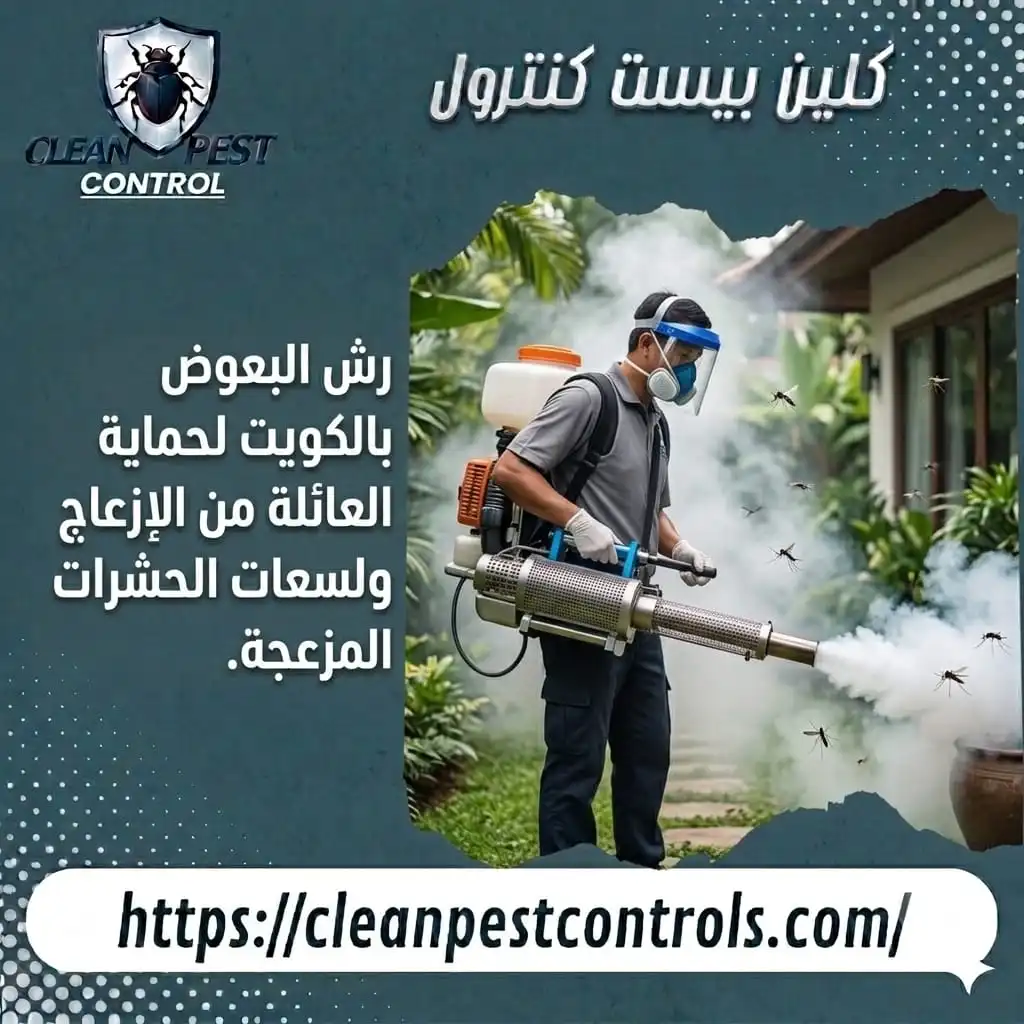
Clean Pest Control does not rely on random spraying or temporary solutions. The company focuses on identifying the true source of infestation before selecting treatment methods.
Apartment buildings in Hawalli require special attention because pests often move between residential units. This is why inspections focus on activity zones, hiding locations and structural pathways rather than visible symptoms alone.
Advantages include:
- Extensive experience with apartment and residential building infestations
- Service coverage throughout Hawalli, Salmiya, Jabriya and Rumaithiya
- Detailed infestation inspections
- Specialized programs for cockroaches, ants and bed bugs
- Solutions suitable for both small and large apartments
- Preventive plans designed to reduce future infestations
- Fast response for urgent situations
- Continued monitoring when necessary
This approach provides more stable and long-lasting results while reducing the risk of recurring infestations.
Conclusion
Pest problems in Hawalli apartments are not simply the result of cleanliness issues. Shared utility systems, dense residential environments and interconnected building structures create conditions that allow pests to spread between units more easily.
Whether the problem involves cockroaches, ants or bed bugs, successful control depends on accurate diagnosis and early intervention. When professional treatment is combined with preventive measures, the risk of recurring infestations decreases significantly, helping residents maintain cleaner, healthier and more comfortable living environments.
Frequently Asked Questions
Why are pests more common in apartments than villas?
Apartments are connected through shared infrastructure, making it easier for pests to move between residential units.
What are the most common pests in Hawalli apartments?
Cockroaches, ants, bed bugs and certain flying insects are among the most frequently reported pests.
Is treating one apartment enough?
Not always. In many cases, infestations exist elsewhere in the building and may return if only one unit is treated.
How do bed bugs spread between apartments?
They can move through furniture, luggage, structural openings and other pathways connecting residential units.
When should I request professional pest control?
As soon as early signs of infestation appear. Early treatment helps prevent pests from spreading and becoming more difficult to eliminate.