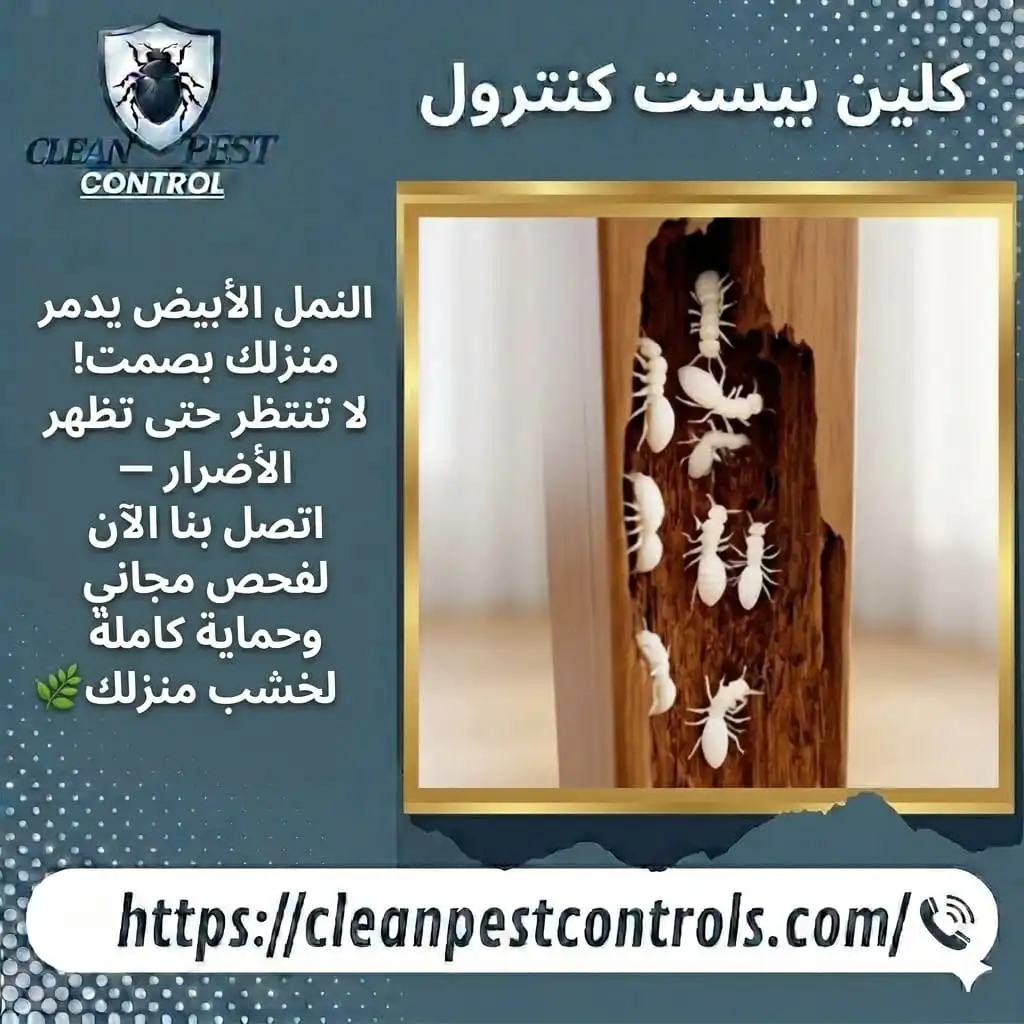
Termites, commonly known in many Gulf countries as white ants, are among the most destructive household pests that can enter a property without being noticed for a very long time. The danger does not come from the size of the insect itself but from the secretive way it lives and operates. Unlike cockroaches or common ants that can be seen moving around kitchens, bathrooms or outdoor areas, termites work silently inside wood, walls, door frames and sometimes beneath flooring systems for months or even years before the first obvious sign becomes visible. This is why many homeowners discover an infestation only after significant damage has already occurred to furniture, wooden structures or parts of the building itself. Understanding the early warning signs can help identify the problem before it develops into a costly repair issue and allows treatment to begin at a much earlier stage with better results and lower overall damage.
What Are Termites and How Do They Live?

Many people confuse termites with ordinary ants simply because of the name. In reality, there are major differences between the two in terms of behavior, biology and the level of damage they cause. Termites live in highly organized colonies that may contain thousands or even millions of insects in some situations. A single colony consists of a queen, workers and soldiers, with each group performing specific functions that ensure the survival and growth of the colony. Worker termites are responsible for feeding, tunnel construction and gathering food, while the queen continuously produces new generations.
The real danger comes from the fact that termites avoid light and rarely move in open areas. Instead, they spend most of their lives hidden inside wood, behind walls or underground where they remain protected from exposure. Their primary food source is cellulose, a material found in wood, cardboard and many plant-based products. This makes them a direct threat to doors, cabinets, furniture and structural wooden components within a building.
Important facts homeowners should understand include:
- A colony may remain active for years before being discovered
- Termites attack wood from the inside rather than the outside
- They can travel long distances through protected tunnels
- Moisture encourages increased activity and expansion
- Early infestations usually produce very few visible signs
- Many infestations begin beneath the structure before spreading indoors
For this reason, termite detection often depends on recognizing indirect warning signs rather than seeing the insects themselves.
The First Sign: Mud Tunnels on Walls
One of the most important indicators used by pest control specialists during inspections is the presence of mud tunnels or mud tubes on walls, foundations or near flooring systems. These structures are not random accumulations of dirt. They are carefully constructed by termites to allow safe travel between the colony and food sources while maintaining the humidity levels they need for survival and protection from light and dry air.
In many homes across Kuwait, these tunnels are discovered near storage rooms, behind cabinets or in corners that are not frequently used. Sometimes homeowners mistake them for dried mud, dirt marks or harmless stains and remove them without realizing they are direct evidence of active termite activity. The problem is that removing the visible tunnel does not eliminate the infestation because the colony remains alive and continues operating inside walls or beneath the structure.
Common characteristics of termite mud tunnels include:
- A light brown or soil-colored appearance
- Long narrow formations running along walls or foundations
- Frequent appearance near pipes and service entry points
- A fragile structure that breaks easily when touched
- The possibility of finding live termites inside when opened
- Reappearance after removal if the colony remains active
Whenever a structure resembling a mud tunnel is discovered, simply removing it or spraying it with a household pesticide is not recommended. The visible tunnel is usually connected to a much larger underground network that remains hidden from view.
The Second Sign: Clicking Sounds Inside Wood

One of the lesser-known warning signs of termites is the presence of faint clicking or tapping sounds coming from wooden structures. These sounds are often extremely quiet and may only be noticed during calm periods when background noise is limited. The sounds can result from termite movement inside wooden galleries or from communication signals produced by certain termite species through vibrations transmitted within the wood.
At first, homeowners may assume the sound is caused by temperature changes, natural wood movement or ordinary building noises. However, when the sound repeatedly comes from the same location and is accompanied by other warning signs such as weakened wood or mud tunnels, the possibility of termite activity becomes much more significant. This is why pest control professionals consider unusual sounds inside wooden structures to be an important early indicator, especially in homes containing large amounts of wooden furniture, cabinets or decorative woodwork.
Signs that deserve closer attention include:
- Repeated clicking sounds coming from doors or cabinets
- Sounds becoming more noticeable during quiet hours
- Wooden structures feeling weaker than before
- The presence of surface cracks or unusual changes
- Persistent sounds without an obvious explanation
- Similar activity appearing in multiple wooden items
This sign alone does not confirm an infestation. However, when combined with other indicators, it can become an important clue pointing toward active termite activity within the property.
The Third Sign: Changes in the Color of Wooden Surfaces
One of the early warning signs that many homeowners overlook is a gradual change in the appearance or color of wooden surfaces without any obvious reason. Most people expect termite infestations to create visible holes, external damage or obvious destruction right away. In reality, termites work very differently. They consume wood from the inside while preserving the outer surface for as long as possible. This allows them to remain hidden while continuing to feed and expand their colony without attracting attention.
As termites consume the internal layers of wood, the affected material begins to change slowly. Homeowners may notice unusual discoloration, faded patches or areas that appear to have been damaged by moisture even though no water leak is present. In some situations, paint may begin to bubble, separate from the surface or develop unusual distortions because the structural support beneath it has been weakened by termite activity.
Common signs associated with this type of damage include:
- Dark or faded patches appearing on wooden surfaces
- Areas of wood that look different from surrounding sections
- Paint that bubbles, peels or lifts without a clear cause
- Gradual surface distortions or irregularities
- Reduced wood strength when pressure is applied
- Progressive changes in the appearance of doors, cabinets or furniture
During one property inspection in Kuwait, a homeowner believed that discoloration around a door frame was caused by moisture exposure. After a detailed examination, it became clear that termites had been feeding inside the wood for an extended period and that the internal damage was significantly more severe than what was visible on the surface. This is why unusual color changes or appearance variations in wooden structures should never be ignored, particularly when they continue to worsen over time.
The Fourth Sign: Small Wings Around Windows

One of the clearest and most recognizable signs of termite activity is the discovery of small discarded wings near windows, doors or light sources. Many people sweep these wings away without realizing that they may be one of the strongest indicators of a nearby termite colony.
At certain times of the year, reproductive termites emerge from mature colonies in search of locations where new colonies can be established. After a short flight, these insects shed their wings and begin searching for suitable environments to start reproducing. As a result, homeowners often find large numbers of nearly identical wings accumulated around windows, lighting fixtures or other areas that attract flying insects.
Typical characteristics of termite wings include:
- Uniform size and shape
- Large numbers appearing in the same location
- Frequent accumulation near windows and light sources
- A translucent or pale appearance
- Easy separation from the insect’s body
- Sudden appearance over a short period of time
Finding discarded wings does not automatically mean the infestation is located inside the home itself. The colony may be within the structure, somewhere in the surrounding property or in a nearby location. Nevertheless, winged termite activity indicates that termites are present in the area and that a professional inspection should be considered before the situation develops further.
The Fifth Sign: Wood That Looks Solid but Is Hollow Inside
This warning sign is among the most serious because it reflects the hidden nature of termite damage. Many wood-destroying insects create obvious external destruction, making their presence easier to detect. Termites, however, often leave the outer surface intact while consuming the interior structure. As a result, a piece of wood may appear perfectly normal from the outside while much of its internal strength has already been lost.
Because of this behavior, homeowners may continue using doors, cabinets or furniture for years without realizing there is a problem. Eventually, the damaged item may suddenly crack, collapse or break under relatively minor pressure. By that stage, the supporting internal structure has often been almost completely consumed.
Indicators associated with hollow wood include:
- A hollow or empty sound when tapping on wooden surfaces
- Wood feeling lighter than expected
- Small cracks appearing unexpectedly
- Sections breaking apart under minimal pressure
- Wood that can be easily penetrated with a sharp object
- Internal tunnels or cavities visible when damaged sections are opened
The danger is that the true extent of the infestation is often much greater than what can be seen externally. A wooden component that appears healthy may already have lost most of its structural integrity. This is why pest control specialists rely not only on visual inspections but also on sound testing and physical examinations when evaluating possible termite infestations.
Why Is the Damage Often Severe Before You Notice the Infestation?

The primary reason termites are considered one of the most destructive household pests is that they operate almost entirely out of sight. Most other pests leave obvious evidence of their presence. Cockroaches may be seen moving around kitchens and bathrooms. Rodents leave droppings, gnaw marks and other visible indicators. Termites, however, remain concealed for extended periods because they obtain both food and shelter from the very structures they are destroying.
Once a colony begins feeding inside wooden components or hidden structural areas, it can continue expanding without attracting attention. As time passes, the population grows larger and the amount of damage increases significantly. This is why many homeowners discover termite infestations years after they began rather than within a few weeks or months. In many situations, the cost of repairing the resulting damage exceeds the cost of the termite treatment itself because affected structures, furniture or building components must be replaced or restored.
Several factors contribute to severe damage before discovery:
- Termite activity occurs inside wood rather than on exposed surfaces
- Termites avoid light and open environments
- Damage begins internally and only becomes visible later
- Early warning signs are often ignored or misunderstood
- Colonies continue growing and expanding if left untreated
- Some infestations begin beneath the building before spreading upward
For this reason, early detection is one of the most important factors in minimizing losses. The sooner termite activity is identified, the easier, faster and more affordable the treatment process becomes compared to addressing a well-established infestation.
Areas Most Vulnerable to Termites in Kuwait
The climate conditions in Kuwait and the construction methods used in some properties make certain locations more vulnerable to termite activity than others. This does not mean that the rest of the property is completely protected, but some areas naturally provide more favorable conditions for termites because of moisture levels, shelter and access to food sources.
Termite activity often begins in locations that receive little daily attention. For this reason, professionals recommend inspecting not only visible furniture but also concealed areas whenever termite activity is suspected.
Areas that are frequently at higher risk include:
- Storage rooms containing cardboard boxes or wooden materials
- Wooden doors and frames located close to floor level
- Built-in cabinets attached directly to walls
- Suspended ceilings that contain wooden components
- Gardens and surrounding outdoor areas
- Locations affected by moisture or water leaks
- Warehouses or storage facilities where furniture is kept for extended periods
In some cases, termite activity is first discovered in outdoor areas or storage facilities before eventually spreading into the main structure. This is why professional inspections extend beyond interior rooms and include all areas capable of supporting colony development.
How Can You Request a Free Inspection When You Suspect Termites?
One of the most common mistakes homeowners make is waiting until they see live termites before contacting a professional pest control company. In reality, many termite infestations are discovered because of indirect warning signs rather than visible insects. If you notice mud tubes, discarded wings, unusual sounds inside wood or any other suspicious indicators, it is advisable to request an inspection as soon as possible.
A professional inspection helps determine whether the signs are genuinely related to termite activity or whether another issue is responsible. It also allows specialists to evaluate the extent of the infestation and recommend the most appropriate solution before unnecessary delays increase the severity of the problem.
When requesting an inspection, it is useful to provide information such as:
- The location where the signs were discovered
- How long the issue has been observed
- The type of structure or item affected
- Whether previous infestations have occurred on the property
- Photographs or documentation of the warning signs
- Any noticeable changes that have occurred over time
Providing this information helps technicians form an initial understanding of the situation and improves the efficiency of the inspection process once they arrive on-site.
Termite Treatment: Why Does It Require Specialists Instead of Ordinary Spraying?
Many people initially attempt to treat termites in the same way they treat cockroaches, ants or other common household pests. They purchase a pesticide from a local store and spray the affected area. Unfortunately, this approach rarely provides meaningful results because the visible signs represent only a small portion of the overall infestation.
Conventional spraying may kill a limited number of termites near the surface, but it usually fails to reach the queen or the primary colony hidden underground, inside walls or deep within wooden structures. As a result, the infestation often returns and continues developing despite the initial treatment effort.
Effective termite control generally requires:
- Identifying colony locations and activity pathways
- Conducting a comprehensive inspection of affected areas
- Using products specifically designed for termite control
- Creating protective treatment barriers to prevent further spread
- Treating soil or structural components when necessary
- Monitoring results after treatment to confirm success
For these reasons, termite management is considered one of the most specialized areas of pest control and cannot be compared to the treatment methods commonly used for other household pests.
Why Is Clean Pest Control the Best Choice for Pest Control in Kuwait?

When dealing with termites, experience plays a critical role because mistakes in diagnosis or treatment can allow colonies to remain active for much longer periods. Clean Pest Control follows a process that begins with detailed inspections before any treatment recommendations are made. Understanding the extent of the infestation and identifying its source are essential steps in achieving successful long-term results.
Every property presents unique conditions. Some infestations are associated with furniture, while others originate from soil contact or outdoor environments. For this reason, treatment strategies are selected according to the actual conditions of each case rather than relying on a one-size-fits-all approach.
Customers frequently choose the company because of:
- Rapid response throughout all areas of Kuwait
- Experience handling termite infestations of varying severity
- Use of approved professional termite control products
- Detailed inspection procedures before treatment begins
- Preventive recommendations following treatment
- Follow-up services for situations requiring additional monitoring
This systematic approach focuses on addressing the root cause of the infestation rather than merely treating visible symptoms.
Conclusion
Termites are among the most difficult household pests to detect during the early stages of an infestation. However, they often leave important warning signs for homeowners who know what to look for. Mud tunnels, discoloration of wooden surfaces, discarded wings and unusual sounds inside wood are all indicators that deserve immediate attention.
The earlier an infestation is discovered, the greater the chances of successful control and the lower the risk of expensive structural damage. Professional inspections performed at the first sign of suspicious activity help protect furniture, building components and valuable property from damage that might otherwise continue unnoticed for years. With proper treatment and ongoing monitoring, termite risks can be significantly reduced and long-term protection can be maintained.
Frequently Asked Questions
Does seeing one termite mean there is definitely an infestation?
Not necessarily. However, the appearance of any insect suspected to be a termite deserves attention, especially when other warning signs are present.
Do termites attack only furniture?
No. Termites may damage doors, cabinets, wooden structural components and other cellulose-based materials depending on the nature of the property.
What is usually the first warning sign?
In many cases, mud tunnels or discarded wings are among the earliest and most noticeable indicators of termite activity.
Can household pesticides eliminate termites?
In most situations, household pesticides are not sufficient because the majority of termite activity occurs in hidden locations beyond the reach of ordinary spraying.
When should I contact a professional termite control company?
You should seek professional assistance whenever you notice any of the warning signs discussed above or suspect unusual damage in wooden structures, flooring areas or wall-adjacent components.