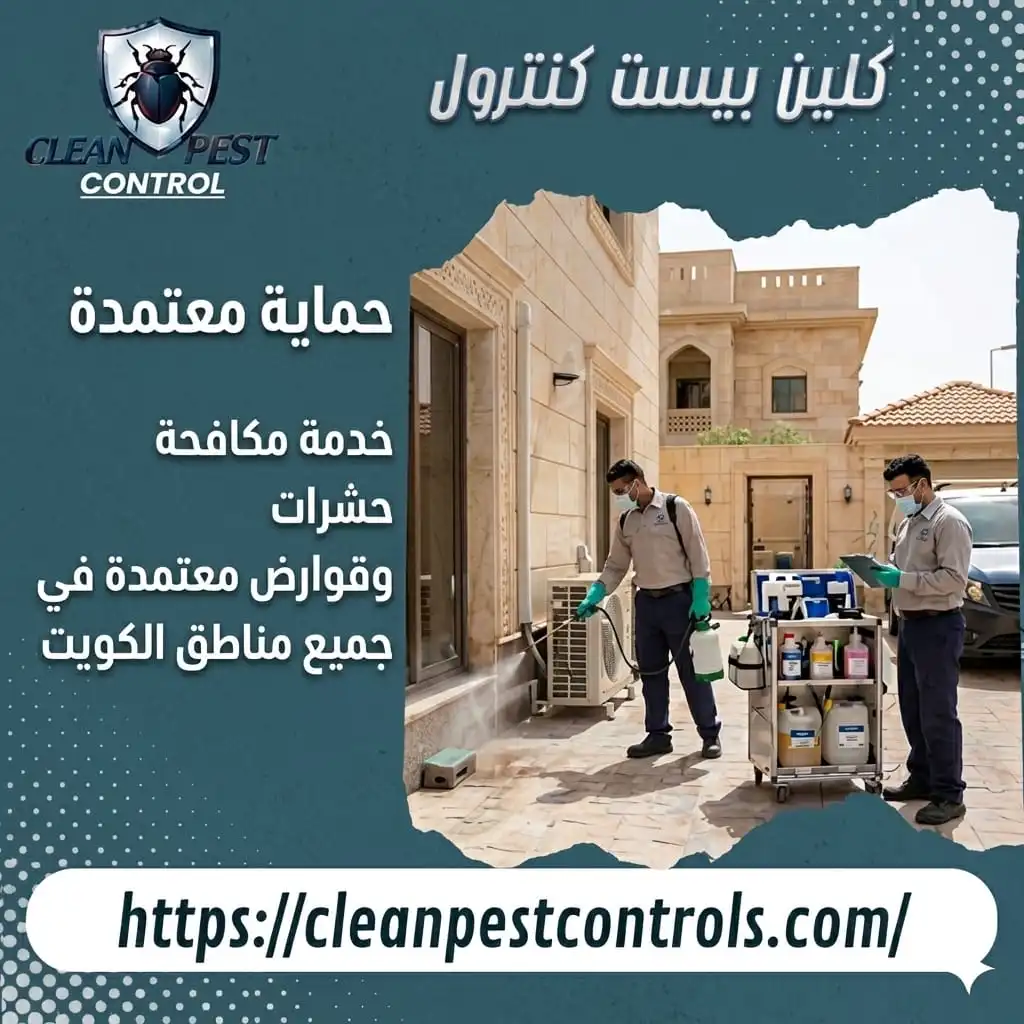
When insects begin appearing inside a home many people immediately respond by purchasing a pesticide spray from a local store and applying it to the areas where pests have been seen. At first this solution often appears effective because the insects disappear for a few days or even a few weeks. However the real problem becomes obvious when the infestation returns despite repeated spraying attempts. This is the moment when many homeowners in Kuwait start asking an important question: if I am using a pesticide why are the results completely different from those achieved by a professional pest control company? The answer is that the difference is not limited to the product itself. Professional pest control involves an entire methodology that begins with inspection and diagnosis and continues through treatment planning application monitoring and follow up. While ordinary home spraying usually focuses on visible insects professional spraying focuses on identifying infestation sources understanding pest behavior and applying the most appropriate treatment strategy. Understanding these differences helps property owners make informed decisions and choose solutions that provide long term protection instead of temporary relief.
What Is Ordinary Spraying That Most People Know?
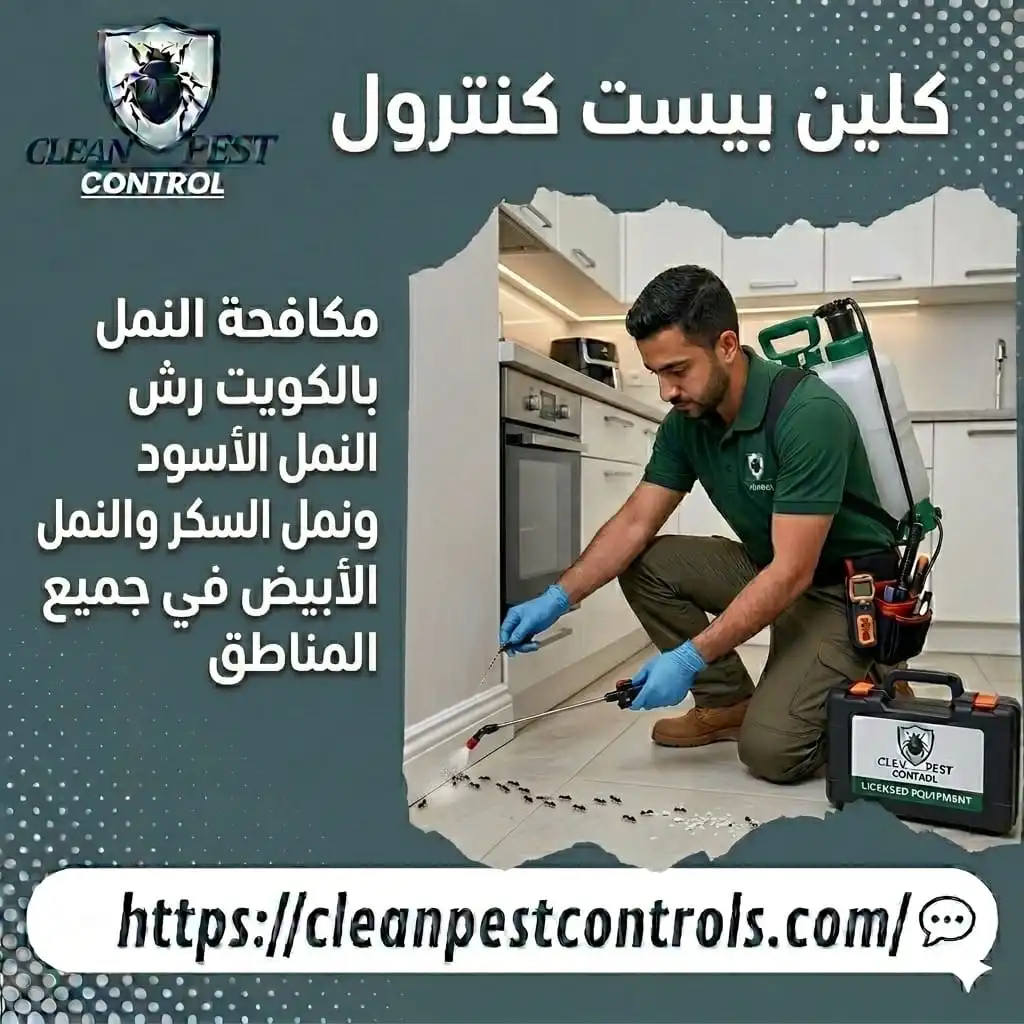
Ordinary spraying is the method that most homeowners rely on when they encounter pests for the first time. The process usually starts when someone notices cockroaches ants mosquitoes or another pest species inside the property. The immediate reaction is often to visit a supermarket or hardware store purchase a ready to use spray product and apply it directly wherever the insects have been observed. Because this approach is simple fast and relatively inexpensive many people choose it before considering professional pest control services. However the main weakness of ordinary spraying is that it focuses on visible symptoms rather than the actual cause of the infestation. When a homeowner sees a cockroach in the kitchen and sprays the surrounding area they may feel that the problem has been solved while dozens or even hundreds of additional insects remain hidden inside walls beneath cabinets behind appliances or within drainage systems.
Field inspections conducted throughout Kuwait consistently show that many serious infestations began as minor problems that homeowners attempted to manage on their own for weeks or months. Consumer products often eliminate insects that come into direct contact with the pesticide but they rarely reach breeding locations nesting sites or hidden colonies. In addition many users do not know the correct dosage application technique or treatment locations which results in only temporary improvement. For this reason ordinary spraying should generally be viewed as a short term response rather than a complete pest management solution capable of eliminating infestations at their source.
What Makes Professional Spraying Different from Home Spraying?
The real difference between professional spraying and household spraying begins long before a pesticide is ever applied. A professional technician does not arrive at a property carrying only a sprayer. Instead they arrive with a diagnostic mindset focused on understanding the infestation before taking any action. When responding to a cockroach complaint for example the technician does not simply ask how many insects have been seen. They investigate where the insects appeared when activity occurs what sources of moisture exist the condition of drainage systems and how the building itself may contribute to pest activity. All of this information helps create a complete picture of the infestation and guides the treatment process.
Home spraying on the other hand is usually reactive. The homeowner sees a pest and sprays the area hoping for immediate results. Professional pest control treats the infestation as a connected system. For this reason technicians often combine multiple treatment methods during a single visit. Gel bait may be used in one area while targeted spraying is performed elsewhere and baiting systems may be introduced if necessary. Treatment materials are selected according to the pest species involved rather than product availability or brand popularity.
Most importantly professional pest control has a completely different objective. The goal is not simply to eliminate the insects that are visible today. The goal is to prevent future generations from emerging during the coming weeks and months. This is why professional technicians focus on breeding sites egg locations and hidden colonies in addition to visible insects. This comprehensive strategy is one of the primary reasons professional pest control services typically deliver results that last significantly longer than conventional household treatments.
Identifying the Pest Before Choosing the Product: The Essential First Step
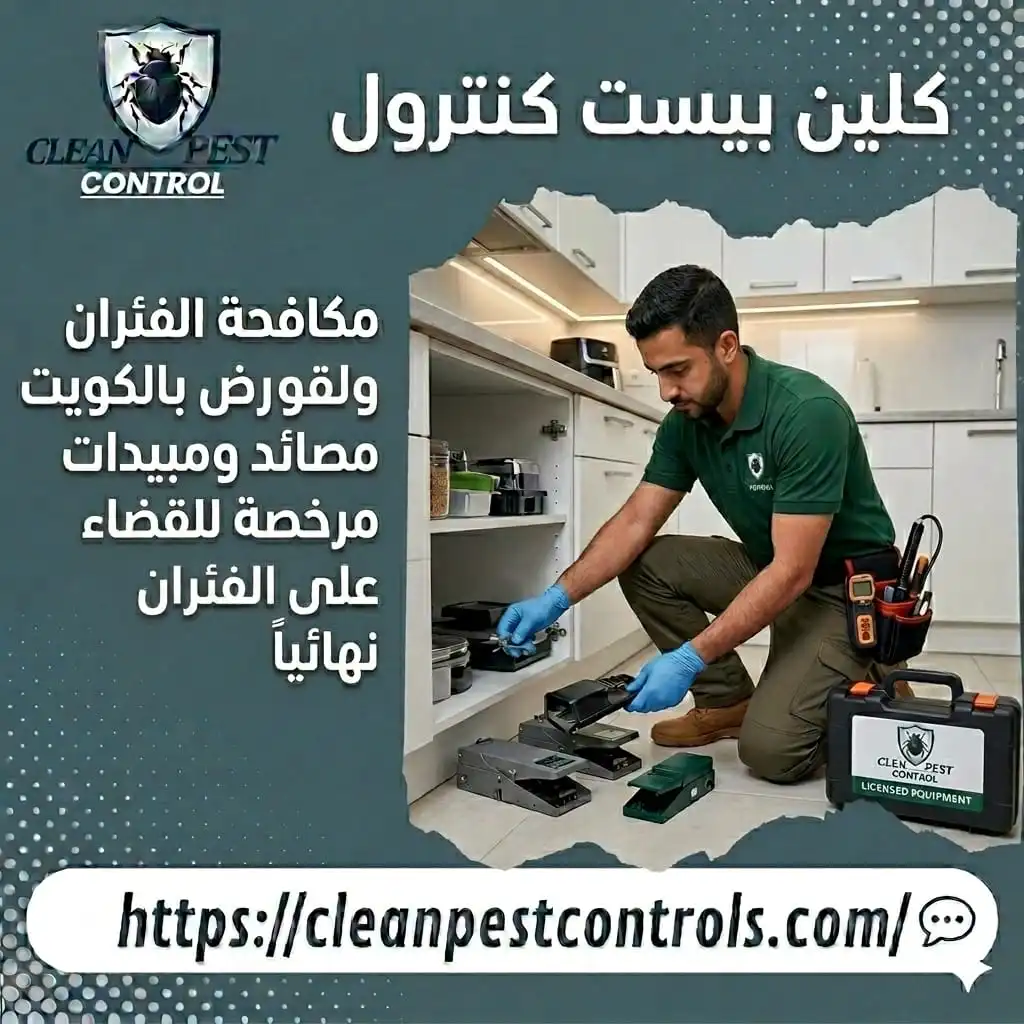
One of the biggest mistakes made by nonprofessionals is assuming that every pest can be eliminated using the same treatment product. In reality this misunderstanding is responsible for a large percentage of failed pest control attempts. Every pest species has its own behavior reproductive cycle feeding habits and preferred environment. Selecting a pesticide before accurately identifying the pest is similar to prescribing medication before diagnosing the illness.
When a professional technician encounters an infestation the first priority is accurate identification. German cockroaches behave differently from American cockroaches. Termites require treatment programs completely different from those used against common household ants. Bed bugs cannot be managed using the same methods designed for mosquitoes or flies. For this reason identification is not a formality. It is the foundation upon which every subsequent decision is based.
Field experience throughout Kuwait demonstrates that many customers who report failed home treatments eventually discover that they were using products completely unsuited to the pest species present in their property. Some homeowners were treating visible symptoms while the primary colony continued expanding elsewhere unnoticed. This is why professional companies dedicate significant time to inspection and diagnosis before beginning treatment. Every minute invested in accurate identification saves hours of ineffective treatment and dramatically increases the likelihood of success during the first service visit.
Professional Equipment vs Household Spray Bottles
One of the points that many homeowners overlook is that the effectiveness of a pesticide depends not only on the active ingredient itself but also on the tool used to deliver that ingredient to the target pest. This is one of the reasons why a professional pest control company may use a product with a similar active ingredient and still achieve dramatically different results. Household spray bottles available in retail stores are designed for convenience and ease of use by the average consumer. As a result their coverage is often limited and their ability to reach deep hiding places or narrow spaces is relatively weak. In addition the droplets they produce are not always distributed evenly which can lead to inconsistent coverage across treated surfaces.
Professional pest control equipment is entirely different. Technicians select specific equipment according to the pest species involved the severity of the infestation and the characteristics of the property being treated. Some devices are designed for precision crack and crevice treatments while others are intended for larger area applications. There are also cold fogging and thermal fogging systems used under specific circumstances. These tools allow precise control over droplet size spray direction application pressure and treatment density ensuring that the active ingredient reaches the locations where pests actually live rather than merely the places where they are occasionally seen.
Practical field experience repeatedly shows that many recurring infestations are not caused by weak pesticides but by the inability of treatment products to reach the source of pest activity. A kitchen floor may be sprayed repeatedly while the actual colony remains hidden inside a wall void beneath cabinets or behind electrical appliances. This is where professional equipment becomes critical. It allows technicians to target key infestation points with precision. For this reason investment in specialized equipment is not a luxury for professional pest control companies. It is an essential component of the treatment process and one of the major factors that separates professional pest management from conventional household spraying.
Reaching Hidden Areas: The Art of Professional Application
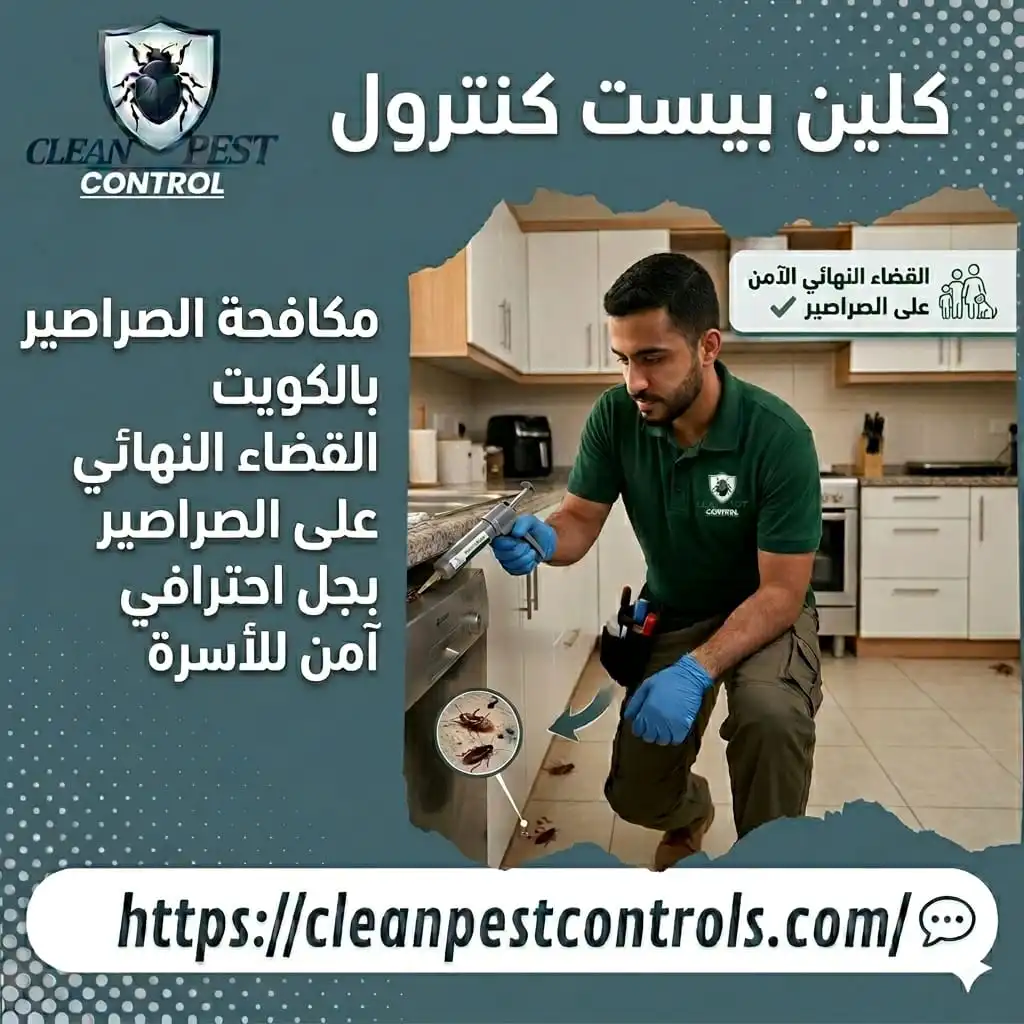
If you ask an experienced pest control specialist about the greatest difference between a trained technician and an ordinary homeowner the answer will often have little to do with pesticides. The real difference lies in knowing where pests live rather than simply knowing how to kill them. Insects naturally avoid exposed environments. They seek protected locations that provide shelter moisture food and favorable breeding conditions. As a result most infestations develop in places that property occupants rarely inspect or even notice.
Cockroaches frequently establish themselves behind refrigerators beneath cabinets inside wall voids and around plumbing penetrations. Bed bugs may hide inside mattress seams bed frames furniture joints and even behind wall decorations. Ant colonies often develop inside cracks beneath flooring systems or within structural gaps that remain completely hidden from view. Because homeowners generally focus on visible insects their treatment efforts tend to target exposed areas. Professional technicians take a very different approach.
A trained pest control specialist possesses a detailed understanding of pest behavior and knows where to search even when there are no obvious signs of activity. This is why a significant portion of a professional service visit is devoted to inspection before treatment begins. The technician is not simply looking for insects. They are identifying nesting sites travel routes moisture sources and environmental conditions that support pest survival.
Experience plays a role that is just as important as the pesticide itself. Identifying the primary hiding location can eliminate weeks of unsuccessful treatment attempts. In many cases infestations are resolved quickly because the technician successfully locates and treats the source rather than chasing visible insects throughout the property. For this reason professional spraying is often described as both a science and an art. Success depends not only on the treatment product but also on the ability to discover what others cannot see.
The Correct Dosage: Why More Is Not Better
One of the most widespread misconceptions in pest control is the belief that using larger quantities of pesticide automatically produces better results. This misunderstanding causes many people to apply excessive amounts of household products under the assumption that stronger applications will eliminate pests more quickly. In reality both practical experience and scientific research demonstrate that the situation is far more complex. Every active ingredient has a specific concentration range within which it performs most effectively. Exceeding those limits can actually reduce treatment success rather than improve it.
In certain situations excessive pesticide use may cause insects to abandon treated areas and relocate to new parts of the property rather than eliminating the infestation. In other cases overapplication can leave unnecessary residues increase odor related discomfort and provide no meaningful improvement in pest control performance. Excessive use may also contribute to the development of pesticide resistance among certain pest populations over time.
Professional pest control companies therefore rely on carefully established guidelines when determining dosage levels. Technicians do not select application rates based solely on the size or number of pests present. They consider factors such as the active ingredient being used the size of the treatment area the type of surface being treated environmental conditions and the overall severity of the infestation. The objective is to achieve maximum effectiveness while using only the amount necessary to produce the desired outcome.
This principle represents one of the hidden advantages of professional pest control. Success is not determined by how much pesticide is applied but by how intelligently it is used. A trained technician understands that the correct dosage functions much like a carefully prescribed medical treatment. It achieves the desired result without unnecessary excess or insufficient application. For this reason more pesticide is not always better and in some cases it can become a direct cause of treatment failure.
Thermal Fogging: When Is It Used and How Does It Work?
When customers hear the term "thermal fogging" many assume it is simply a marketing expression or a more advanced version of traditional spraying. In reality thermal fogging is one of the most specialized pest control techniques available and is used only under specific circumstances. The principle behind this technology involves transforming a treatment product into extremely fine particles that resemble a dense fog capable of spreading through spaces and areas that are difficult to reach using conventional application methods. When applied correctly these microscopic particles can penetrate large areas within a relatively short period of time allowing treatment materials to reach locations that standard sprays may not effectively cover.
However one of the most common misconceptions is the belief that thermal fogging is automatically the best solution in every pest control situation. Professional pest control companies do not use this method for all infestations because effective pest management depends on selecting the right technique for the specific problem being addressed. For example gel bait treatments may be significantly more effective for cockroach infestations inside kitchens while thermal fogging may be better suited for certain flying insect problems outdoor applications or environments requiring rapid treatment distribution across large spaces.
Professional technicians do not choose thermal fogging simply because it appears advanced. They select it because it accomplishes a particular objective that other methods may not achieve as efficiently. Operating thermal fogging equipment also requires detailed knowledge regarding product dosage airflow conditions environmental factors and site characteristics. The technology itself is therefore only part of the equation. The expertise of the person using it is equally important.
Field experience throughout Kuwait has demonstrated that thermal fogging can produce excellent results in appropriate situations but it should never be viewed as a replacement for all other pest management methods. Instead it serves as one component within a broader integrated pest control strategy and is employed only when it represents the most suitable solution for the infestation being treated.
Documentation and Follow-Up After Professional Treatment
One of the most important differences between professional spraying and ordinary household spraying is that the process does not end when the pesticide application is completed. In household situations people often assume the task is finished as soon as the product has been sprayed and then simply wait to see what happens. Professional pest control companies approach treatment very differently. Application is only one stage within a larger process that begins with inspection and diagnosis and continues through monitoring evaluation and follow-up. This is why professional companies treat documentation as an essential component of service quality rather than a simple administrative procedure.
During a professional treatment technicians record important information including infestation type treatment locations products used application dates and observations related to the property. These records allow future evaluations to be conducted more accurately and help determine whether additional visits or adjustments to the treatment plan may be necessary. Documentation also creates a structured method for tracking progress rather than relying solely on customer impressions or memory.
Practical experience has repeatedly shown that many complicated infestations do not necessarily require stronger pesticides. Instead they require careful monitoring and follow-up. Small signs of remaining activity may appear in specific locations while the customer believes the problem has been completely eliminated. Follow-up inspections help identify these situations before they develop into major infestations again.
For this reason companies that emphasize documentation and monitoring provide value that extends far beyond pesticide application. They give customers a clearer understanding of the condition of their property while creating greater confidence that the infestation is being managed through a professional and systematic process rather than through temporary or reactive measures.
Why Do Professional Treatments Last Longer?
One of the observations frequently made by customers after hiring professional pest control companies is that the results often last much longer than those achieved through household treatment attempts. Many people assume that this difference exists solely because professionals use stronger products. While product quality can certainly play a role the reality involves several interconnected factors that contribute to long-term success.
The first factor is that professional treatments target the entire pest life cycle rather than focusing only on adult insects. Technicians consider breeding locations egg deposits nesting sites and movement pathways when developing treatment strategies. This means that the objective is not only to eliminate the current infestation but also to prevent future generations from emerging during the weeks and months that follow. A second factor involves selecting treatment materials specifically suited to the infestation instead of relying on general-purpose products.
Application methods also have a significant impact on treatment longevity. When products are placed in the correct locations and applied using proper techniques they continue functioning for longer periods while providing ongoing preventive protection beyond their immediate effects. In addition the recommendations provided by technicians after treatment help customers maintain favorable conditions and reduce factors that encourage pest activity.
Field experience consistently demonstrates that infestations treated through comprehensive professional programs are far less likely to return than infestations addressed through random or incomplete methods. This is why long-lasting results are not determined solely by the pesticide itself. They are the outcome of an entire pest management process that begins with accurate diagnosis and continues through proper treatment implementation and preventive follow-up.
Is Professional Service Worth the Additional Cost Compared to Home Spraying?
This question is one of the most frequently asked by customers comparing the cost of purchasing a household spray product with the cost of hiring a professional pest control company. At first glance the household option naturally appears less expensive because the immediate purchase price is lower. However a meaningful comparison should involve much more than the price of a single product. It should also consider treatment effectiveness time effort inconvenience and the likelihood of recurring infestations.
When homeowners repeatedly purchase consumer pesticide products over a period of months they continue spending money while investing additional time and effort into each new treatment attempt. In many cases the infestation quietly expands in the background until it eventually becomes much more difficult to control. By contrast customers who hire professional pest control companies from the beginning are not simply paying for pesticide products. They are paying for inspection expertise treatment planning specialized equipment professional application and long-term management of the problem.
Experience with residential and commercial properties throughout Kuwait has shown that many customers who relied on temporary solutions for extended periods ultimately spent significantly more money than they would have spent by investing in professional treatment from the start. For this reason the most important question is not how much the service costs today but how much it saves in future treatment expenses recurring infestations property damage and wasted effort.
When viewed from this perspective the value of professional pest control becomes much clearer. Professional services do not merely provide pesticide application. They provide a structured solution designed to eliminate the infestation and reduce the likelihood of future recurrence. This is why many customers ultimately view the difference in cost as an investment in long-term comfort stability and peace of mind rather than an unnecessary expense.
Why Is Clean Pest Control the Best Pest Control Company in Kuwait?
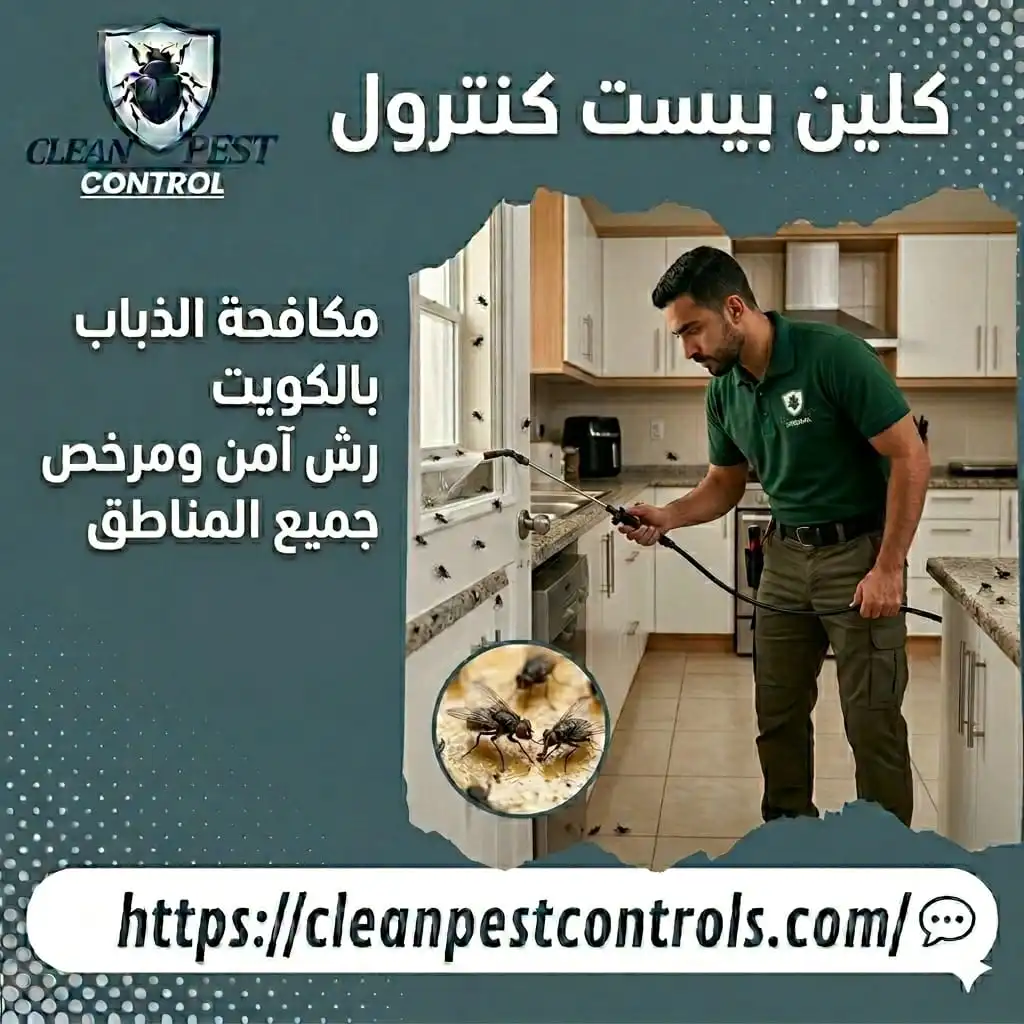
When discussing truly professional pest control the conversation should never focus solely on powerful pesticides or advanced equipment. Real professional pest management is built on a complete operational system that begins the moment a customer requests service and continues until long-term results have been verified. This comprehensive approach is exactly what Clean Pest Control follows throughout Kuwait. The company does not treat infestations as identical situations requiring identical solutions. Instead every home apartment villa restaurant warehouse or commercial property is considered a unique case that requires its own inspection process risk assessment and treatment strategy.
The process begins with a detailed evaluation designed to identify the pest species involved locate the primary source of activity determine the severity of the infestation and understand the environmental conditions that contributed to the problem. Once this information is collected technicians select the most appropriate treatment materials and application methods based on the specific circumstances of the property rather than relying on a generic one-size-fits-all approach.
Clean Pest Control employs trained technicians who understand pest biology behavior and hiding patterns. Their goal is not simply to eliminate the insects customers can see but to identify and eliminate the hidden colonies nesting locations breeding sites and environmental conditions that allow infestations to survive and spread. The company uses approved treatment products suitable for residential and commercial environments while following strict safety procedures and providing customers with clear instructions before and after treatment.
Among the key advantages that make Clean Pest Control a preferred choice for many customers are:
- Detailed inspection and diagnosis before treatment begins
- Selection of treatment methods based on infestation type and severity
- Use of approved products and modern application technologies
- Accurate dosage control and professional treatment procedures
- Follow-up programs designed to maintain long-term results
- Fast response throughout all areas of Kuwait
- Preventive recommendations that help reduce future infestations
For these reasons the value of the service extends far beyond eliminating the pests that are visible today. It helps create a healthier safer and more stable environment while reducing the likelihood of recurring infestations in the future.
Conclusion
The difference between ordinary spraying and professional pest control is much greater than most people realize. The distinction is not simply a matter of product names or pesticide brands. Professional pest management involves a complete process that begins with inspection diagnosis and planning before continuing through product selection equipment choice application techniques monitoring and follow-up. Household spraying can sometimes provide temporary relief in minor situations but it often struggles to eliminate recurring infestations or reach the hidden sources where pests reproduce and survive.
Professional treatment approaches the problem from an entirely different perspective. Instead of focusing only on the insects that are visible today it focuses on understanding pest behavior identifying breeding locations locating colonies and addressing the root causes of infestation. This comprehensive strategy allows professional treatments to achieve more stable results while reducing the likelihood of future pest activity.
For this reason hiring a specialized pest control company should not be viewed simply as paying more money for a stronger pesticide. It should be viewed as investing in a structured solution designed to protect the property over the long term. When pest control is performed professionally homeowners gain more than immediate pest elimination. They gain peace of mind a healthier living environment and greater confidence that the problem has been addressed correctly rather than temporarily hidden.
Frequently Asked Questions
Is household spraying enough to eliminate cockroaches permanently?
In very minor infestations household spraying may temporarily reduce visible activity. However moderate and severe infestations usually require professional inspection and treatment because hidden colonies breeding areas and nesting locations often remain untouched by consumer products.
Why do pests return after using household pesticides?
Most retail products focus primarily on insects that are directly exposed to the treatment. Eggs hidden colonies nesting sites and protected breeding locations frequently survive which allows the infestation to return once conditions become favorable again.
Do professional pest control companies use different products than those sold in stores?
In many cases yes. Professional companies often use specialized commercial-grade products and advanced application technologies that are not generally available to the average consumer. More importantly they apply those products according to carefully developed treatment strategies.
Is thermal fogging suitable for every pest problem?
No. Thermal fogging is a specialized technique that is appropriate only under certain circumstances. The choice of treatment method depends on the pest species the infestation level the structure being treated and the objectives of the pest control program.
Is professional pest control worth the additional cost?
When factors such as recurring infestations repeated product purchases time effort property protection and long-term results are considered professional pest control is often the more economical and effective solution over time.
How long do professional pest control results usually last?
The answer depends on the pest species infestation severity environmental conditions and preventive measures taken after treatment. However professionally designed programs generally provide longer-lasting results than household treatments because they address the source of the infestation rather than only visible symptoms.
What is the biggest advantage of professional pest control?
The greatest advantage is accurate diagnosis. Professional technicians identify the real source of the problem select the most effective treatment strategy and implement a complete management plan rather than relying on trial-and-error methods.