Many people believe that ant control follows the same approach whether the infestation occurs inside a house, in a garden or on agricultural land. In reality, the situation is completely different. The type of ant, the surrounding environment, the food source and the size of the colony all determine the most effective control strategy. In Kuwait, ant infestations commonly occur in homes, apartments and villas, while other species thrive in farms and open agricultural areas. For this reason, using the same pesticide or treatment plan in every situation often produces only temporary or limited results. Understanding the differences between residential and agricultural environments helps property owners choose the right solution, save time and money and prevent the infestation from returning in the future.
Is the Ant Found in Homes the Same as the Ant Found in Fields?
One of the most common misconceptions is the belief that all ant species are the same and therefore require identical treatment methods. In reality, there are significant differences between the ants commonly found inside homes and those that inhabit agricultural fields and open landscapes. Some species prefer dry indoor environments, while others depend heavily on soil, vegetation and constant moisture. Colony size, nesting behavior and food-searching patterns also vary greatly between species.
Inside homes, ants are usually attracted to food residue, sugary substances and small water sources found in kitchens and bathrooms. In contrast, field ants often rely on plants, seeds and other insects as food sources. Because of these differences, treatment strategies must be adapted accordingly.
Some major differences between household ants and field ants include:
- Household ants usually search for food within occupied buildings
- Field ants often build larger nests directly in soil
- Some agricultural species establish colonies covering large areas
- Indoor ants frequently create visible trails that can be traced
- Outdoor species may remain hidden beneath the soil for long periods
- Different species respond differently to baits and treatment products
For this reason, successful ant control always begins with identifying the species and understanding the environment before selecting any treatment method.
Common Ant Species in Kuwait: Black Ants, Red Ants and White Ants
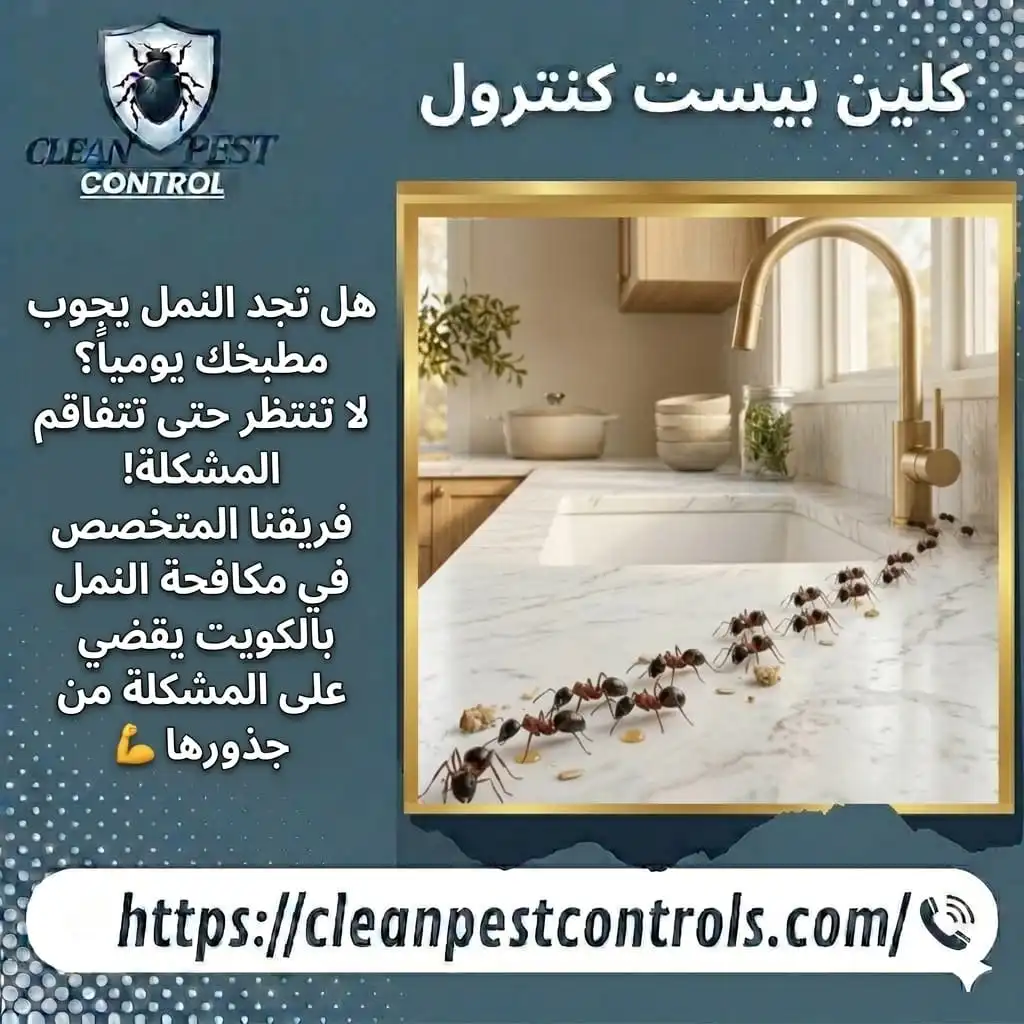
Kuwait is home to several ant species that differ in appearance, behavior and potential impact. One of the most commonly observed species is the small black household ant that appears in kitchens and around food sources. This species can enter through extremely small openings and create long trails between the colony and food locations.
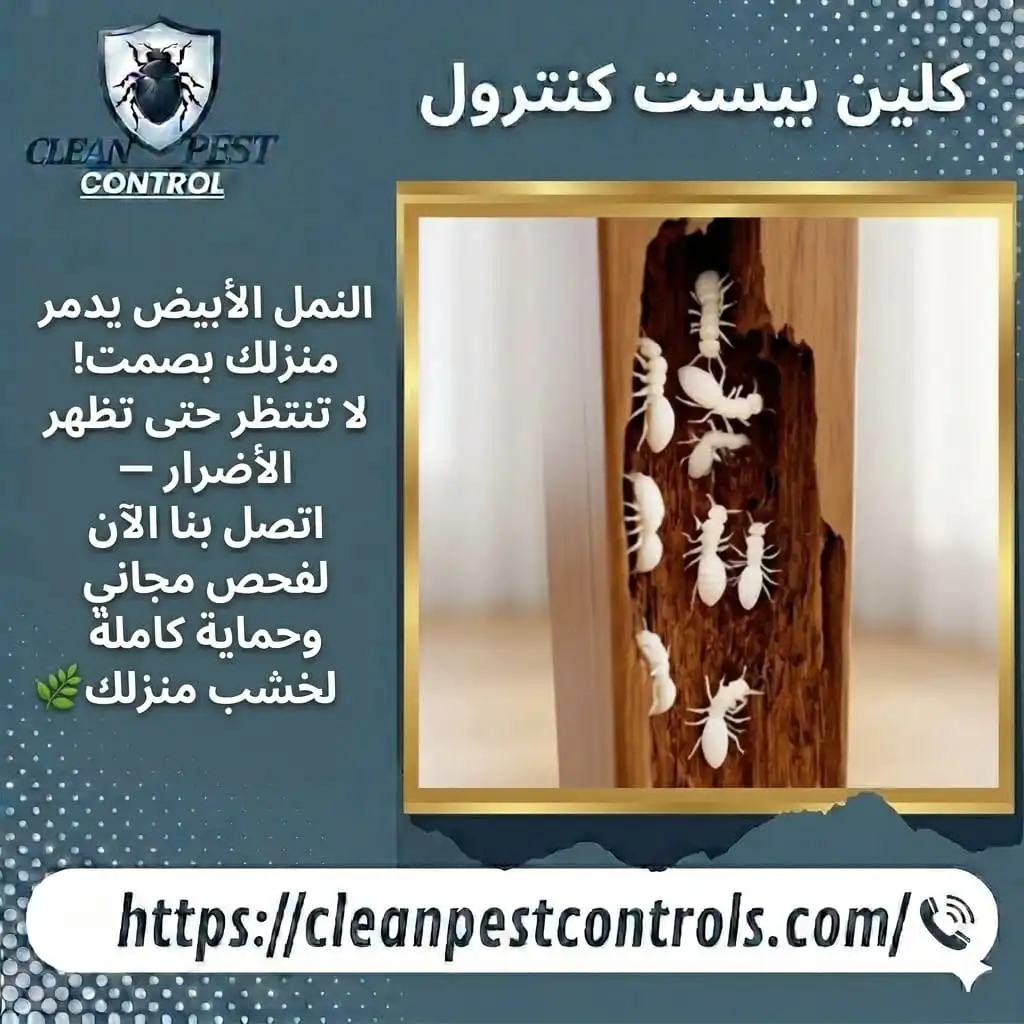
Red ants are also common in gardens, yards and open outdoor areas. While some species are relatively harmless, others may deliver painful bites that become particularly problematic for children spending time outdoors. In addition, many people refer to termites as white ants. Although they share a similar name, termites are biologically different from true ants and represent a serious threat to wooden furniture, doors and structural components.
Among the most frequently encountered species in Kuwait are:
- Black household ants commonly found inside kitchens
- Red ants frequently present in gardens and outdoor spaces
- White ants or termites that attack wood and structures
- Small moisture-seeking ant species
- Desert ants that establish colonies beneath the soil
- Species capable of moving between gardens and residential properties
Identifying the correct species allows pest control specialists to choose the most effective baiting and treatment strategy rather than relying on random pesticide applications that may only reduce visible activity temporarily.
Indoor Ant Control: Gel Baits and Interior Treatments
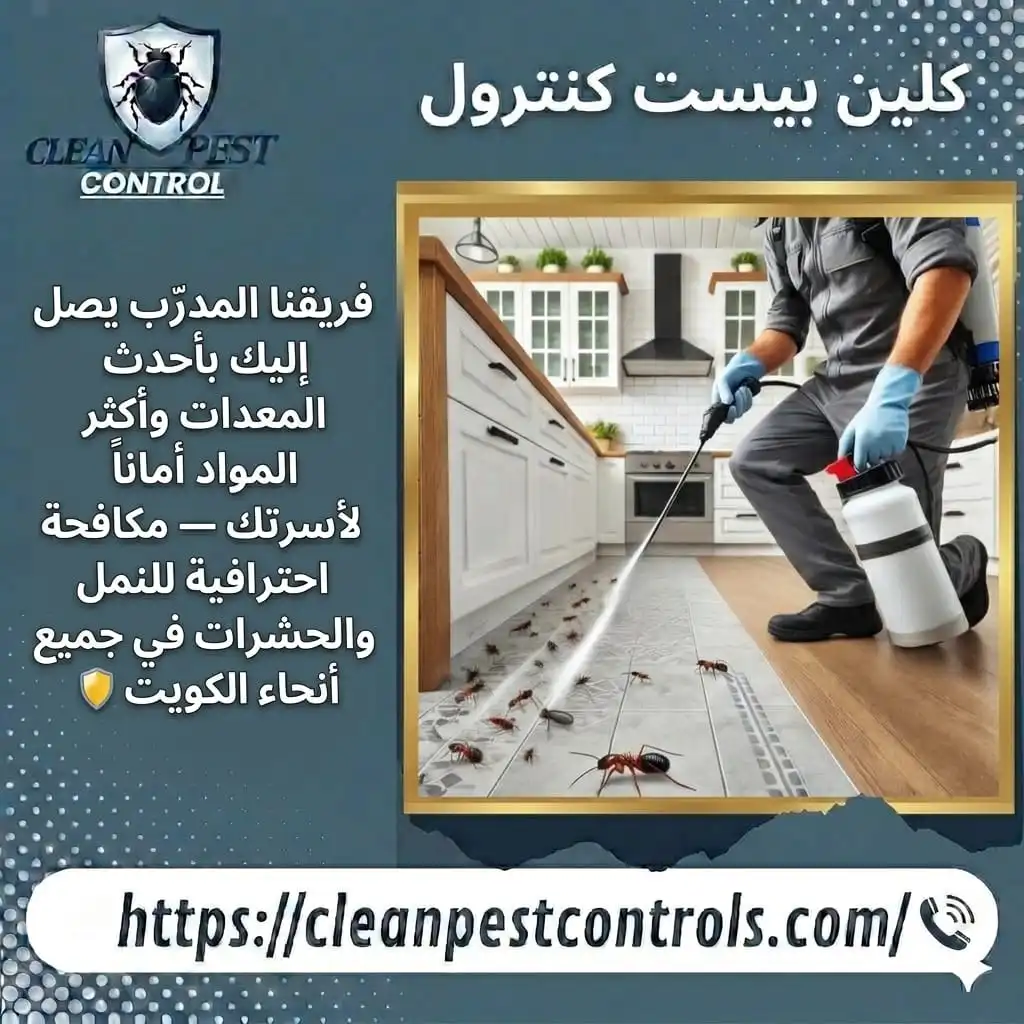
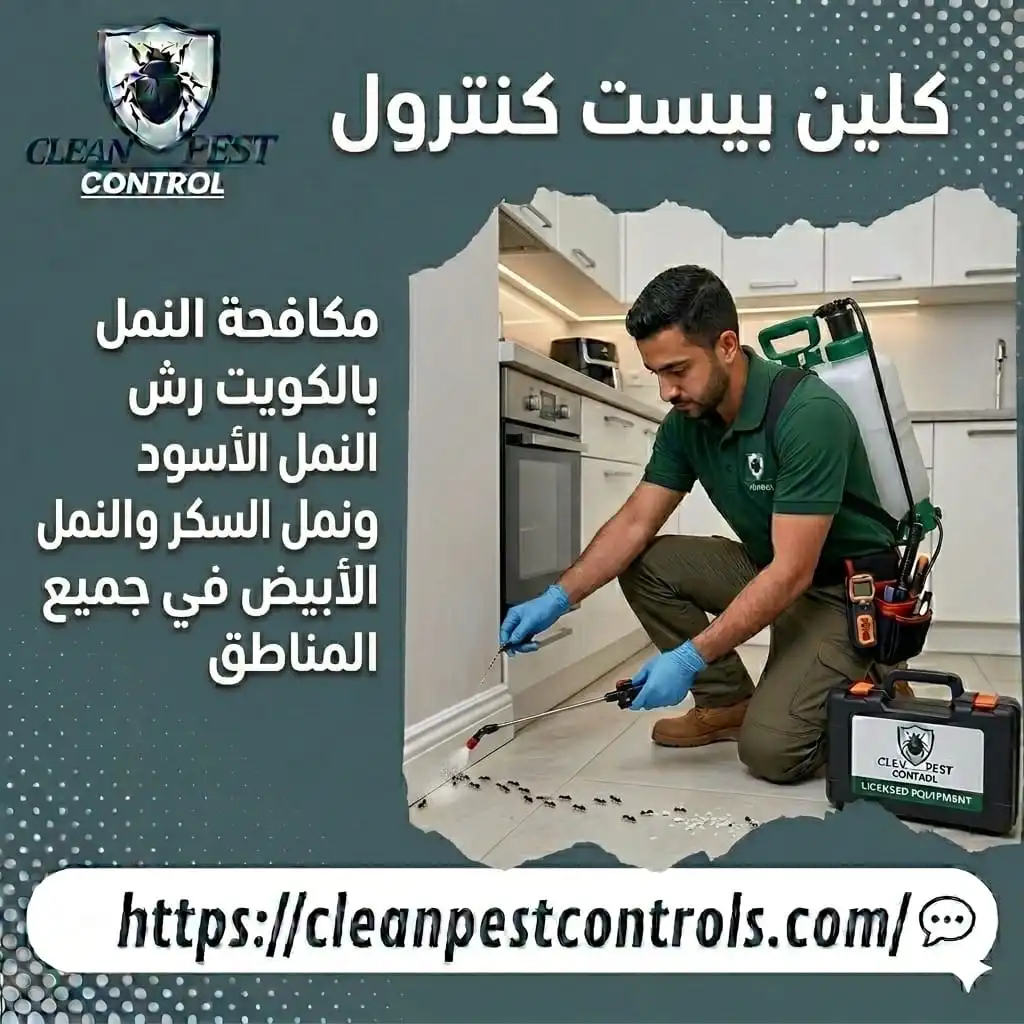
When an infestation occurs inside a home, the primary objective is to protect residents while achieving the highest possible level of effectiveness. For this reason, modern ant control programs rely heavily on professional gel baits and specialized baiting systems, supported by targeted treatment applications when necessary. The goal is not simply to eliminate the ants that are visible but to transfer the active ingredient into the colony and ultimately reach the queen.
In many situations, indiscriminate spraying inside a home may actually scatter the colony rather than eliminate it. Professional technicians therefore focus on strategies that take advantage of ant behavior. Baits are placed directly along travel routes and activity zones, allowing worker ants to carry the material back to the colony naturally.
Key elements of successful indoor ant control include:
- Using professional-grade gel baits designed for household ants
- Treating cracks and entry points near active trails
- Identifying and addressing moisture sources
- Reducing access to food and attractants
- Applying interior treatments only when appropriate
- Monitoring activity after the initial service
This type of treatment differs significantly from the procedures used in agricultural environments because the nature of the infestation and the colony location are entirely different.
Ant Control in Gardens and Residential Yards
When the discussion moves from indoor environments to gardens and outdoor yards, the entire approach to ant control changes. In outdoor settings, the problem is not limited to the ants that can be seen moving across the ground or around plants. In many cases, the main colony is hidden beneath the soil, between stones or underneath irrigation systems. For this reason, eliminating only the visible trails rarely provides long-term success because the colony remains active underground and continues producing new worker ants.
In many Kuwaiti villas, ant activity is frequently observed around planting beds, irrigation zones and beneath outdoor paving materials. These locations provide the moisture, shelter and food sources necessary for colony development. Some homeowners simply spray the visible ants and assume the problem has been solved when activity disappears for a few days. In reality, the colony often remains untouched and quickly re-establishes visible activity.
Effective garden and yard ant control generally includes:
- Locating active nests rather than focusing only on visible trails
- Inspecting irrigation areas that provide constant moisture
- Treating around trees, shrubs and landscaping features
- Using outdoor bait systems designed for open environments
- Creating a protective treatment zone around the property
- Monitoring activity levels during the weeks following treatment
One of the major advantages of proper outdoor treatment is that it not only reduces current ant activity but also helps prevent future colonies from moving into the home. For this reason, gardens and yards should always be considered an essential part of any comprehensive ant management program rather than separate areas requiring independent attention.
Ants in Agricultural Land: Completely Different Treatment Solutions
Agricultural environments are fundamentally different from homes and residential gardens. Instead of dealing with a small colony behind a kitchen cabinet or beneath a patio stone, agricultural properties may contain multiple interconnected colonies spread across extensive areas. In addition, the presence of crops, irrigation systems and soil conditions introduces factors that do not exist in residential settings.
Within farms and agricultural land, pest management must balance ant control with the protection of crops and the surrounding environment. This requires treatment strategies that are often very different from those used in homes. Some agricultural programs rely on specialized baiting systems, while others involve carefully selected treatment products designed specifically for large outdoor environments.
Key differences associated with agricultural ant management include:
- Treatment areas are significantly larger than residential properties
- Colonies are often deeper and more complex
- Crop protection influences product selection
- Certain agricultural species establish extremely large colonies with multiple entrances
- Irrigation systems affect treatment placement and performance
- Long-term monitoring is usually necessary
In many farms, ant management forms part of a broader integrated pest management program that includes routine inspections, population monitoring and preventive measures rather than relying on a single treatment application. This clearly demonstrates why simple residential solutions cannot be applied directly to agricultural environments.
Why Residential Treatments Cannot Solve Farm Infestations
One of the most common mistakes people make is attempting to use the same products and treatment methods used inside homes to address ant infestations in agricultural settings. This usually happens because the problem appears similar on the surface. However, there are major differences in environmental conditions, colony size, ant behavior and infestation dynamics.
Products developed for residential use are selected according to standards related to human occupancy and indoor safety. Agricultural environments involve entirely different variables including soil composition, crop production, irrigation systems, direct sunlight and weather exposure. These factors influence how treatment products perform and whether they can successfully reach the target colony.
Reasons residential treatment methods are often unsuitable for farms include:
- Vast differences in infestation size and coverage
- The presence of multiple colonies rather than a single nest
- Constant exposure to weather conditions
- Significant differences in nest depth and structure
- The need to cover much larger treatment zones
- Different objectives between residential and agricultural pest management
Because of these differences, successful ant control always begins with understanding the environment itself. Using the right product in the wrong location often results in wasted time and money without solving the underlying problem. In contrast, selecting treatment methods specifically designed for the environment greatly improves the chances of eliminating the colony and achieving long-term control.
Specialized Products for Homes, Farms and Warehouses
One of the biggest mistakes made by inexperienced service providers is treating every ant infestation the same way regardless of where it occurs. In reality, selecting the correct product depends not only on the ant species but also on the environment in which the infestation exists. A treatment that performs extremely well inside a residential kitchen may be completely unsuitable for use on agricultural land or inside a warehouse containing food products or long-term stored goods.
Inside homes, the priority is to use effective solutions that are appropriate for occupied living spaces. Warehouses introduce additional considerations such as the nature of stored products, operational activities and long-term storage conditions. Agricultural environments add even more variables including crops, irrigation systems, soil conditions and environmental exposure.
When developing an effective ant control program, professionals evaluate factors such as:
- The ant species involved and the size of the colony
- Whether the environment is residential, agricultural or commercial
- The presence of children or pets
- Nearby food storage areas or sensitive products
- Moisture levels and environmental conditions
- Whether baiting systems or other treatment methods are required
For this reason, professional pest control companies do not rely on a single product for every situation. Instead, they select products and application methods based on a detailed assessment of the infestation and surrounding environment. This flexibility increases treatment success and helps prevent recurring infestations.
The Risk of Ant Movement from Agricultural Land to Nearby Homes
In some parts of Kuwait where farms, villas and residential developments exist close together, ant migration between properties can become a significant issue. Many homeowners successfully eliminate visible ant activity indoors only to experience a return of the infestation months later without understanding why. In many of these cases, nearby agricultural colonies are the true source of the problem.
Ants possess a remarkable ability to search for food and water and may travel considerable distances when conditions are favorable. When a farm or agricultural area contains large established colonies near a residential property, there is a greater likelihood that ants will move into gardens, yards and eventually indoor living spaces.
Signs that may indicate an external infestation source include:
- Repeated infestations despite successful indoor treatments
- Ant trails originating from exterior walls or landscaped areas
- Increased activity following irrigation or agricultural operations
- Visible nests located on nearby properties
- Similar infestations appearing in multiple neighboring buildings
- Greater ant activity outdoors than indoors
In these situations, focusing solely on indoor treatment is often insufficient because the primary colony remains active outside the property. Comprehensive exterior management therefore becomes an essential component of long-term control.
Advice for Villa Owners with Large Gardens in Kuwait
Villas with extensive gardens and landscaped outdoor areas provide attractive environments for many ant species. While these outdoor spaces add beauty and comfort to a property, they also create favorable conditions for colony establishment because of soil, vegetation and irrigation systems.
In many cases, ant infestations do not begin inside the home. Instead, colonies develop outdoors and gradually expand toward the building while searching for additional food and water sources. For this reason, the garden should be viewed as the first line of defense against ant infestations.
Important recommendations for villa owners include:
- Regularly inspecting planting beds and landscaped areas
- Preventing unnecessary water accumulation after irrigation
- Removing excess cardboard, wood debris and organic waste
- Monitoring perimeter walls and outdoor walkways
- Observing unusual ant activity around large trees
- Implementing preventive treatment programs before peak activity seasons
These relatively simple practices help identify problems early and reduce the likelihood of extensive infestations that require larger and more expensive corrective measures.
The Complete Solution: Treating Indoor and Outdoor Areas Together
One of the primary reasons ant control programs fail is that only part of the problem is addressed. Many property owners focus exclusively on the ants they see inside the building while the primary colony or outdoor nesting sites remain active. As a result, visible activity disappears temporarily before returning once the untreated colony recovers.
The most effective long-term solution often involves combining indoor and outdoor treatments within a single coordinated strategy. Indoor activity is addressed while exterior nesting sites, travel routes and environmental conditions are treated simultaneously. This approach significantly reduces the likelihood of reinfestation because it targets both the symptoms and the source of the problem.
A comprehensive ant management program typically includes:
- Thorough inspection of indoor and outdoor areas
- Identification of active nests and colony locations
- Treatment of interior travel routes and activity zones
- Creation of protective barriers around structures
- Selection of products appropriate for each environment
- Follow-up visits when additional monitoring is required
When these elements are implemented together, treatment results tend to be far more stable and sustainable than partial solutions that address only one side of the infestation.
Why Is Clean Pest Control the Best Pest Control Company in Kuwait?
What distinguishes Clean Pest Control in ant management is its focus on understanding the source of the infestation rather than simply eliminating the visible ants. The company approaches every infestation by evaluating colony behavior, nesting locations and environmental conditions before selecting a treatment strategy.
Whether the infestation occurs in a small apartment, a villa with extensive landscaping or a large agricultural property, the process begins with a professional assessment and the development of a solution specifically tailored to the environment. This approach increases treatment effectiveness and helps reduce the likelihood of recurring infestations.
Customers often choose the company because of:
- Fast response throughout Kuwait
- Experience handling a wide variety of ant species
- Solutions suitable for residential, agricultural and commercial sites
- Use of approved products selected according to environmental requirements
- Preventive recommendations following treatment
- Follow-up services for situations requiring additional monitoring
This comprehensive methodology provides long-term value and helps deliver more sustainable results than temporary short-term solutions.
Conclusion
The difference between controlling ants in homes and managing them in agricultural environments is much greater than many people realize. Variations in colony size, environmental conditions and ant behavior require different diagnostic approaches, treatment methods and product selections. Success depends not only on the strength of the pesticide but also on how well the chosen solution matches the environment where the infestation occurs.
When the source of the infestation is properly identified and treatment strategies are tailored to the specific environment, ant control becomes significantly more effective and reliable. Whether the problem occurs inside a home, within a garden or across agricultural land, professional assessment and targeted treatment remain the most effective way to achieve long-lasting results and prevent future infestations.
Frequently Asked Questions
Can I use the same ant treatment product in my house and on a farm?
In most cases, this is not recommended because environmental conditions, colony structures and treatment requirements differ substantially between residential and agricultural settings.
Why do ants return even after indoor treatment?
The infestation source may still be active outside the home or within a colony that was not completely eliminated during treatment.
Do gardens increase the likelihood of ant infestations?
Yes. Soil, vegetation and irrigation systems create favorable conditions for nesting and colony development.
What is the best solution for villas with large outdoor spaces?
A comprehensive program that combines indoor treatment, outdoor treatment and routine monitoring generally provides the best long-term results.
When should I contact a professional pest control company?
Professional assistance is recommended whenever infestations recur repeatedly, spread to multiple areas or when locating the source of the colony becomes difficult.