
Silverfish are among the insects that many homeowners in Kuwait suddenly discover in bathrooms, kitchens, storage areas or among books and papers without knowing exactly what they are. Because of their unusual appearance and fast movement, some people assume they are rare insects or temporary visitors that appeared by chance. In reality, silverfish are well-known household pests that prefer dark, humid environments and can remain hidden for long periods without being noticed. The problem is not limited to their appearance. They are capable of damaging books, clothing and various stored materials if left untreated. Understanding why silverfish appear and how to eliminate them correctly is the first step toward maintaining a home free from this persistent and irritating pest.
What Are Silverfish and What Do They Look Like?
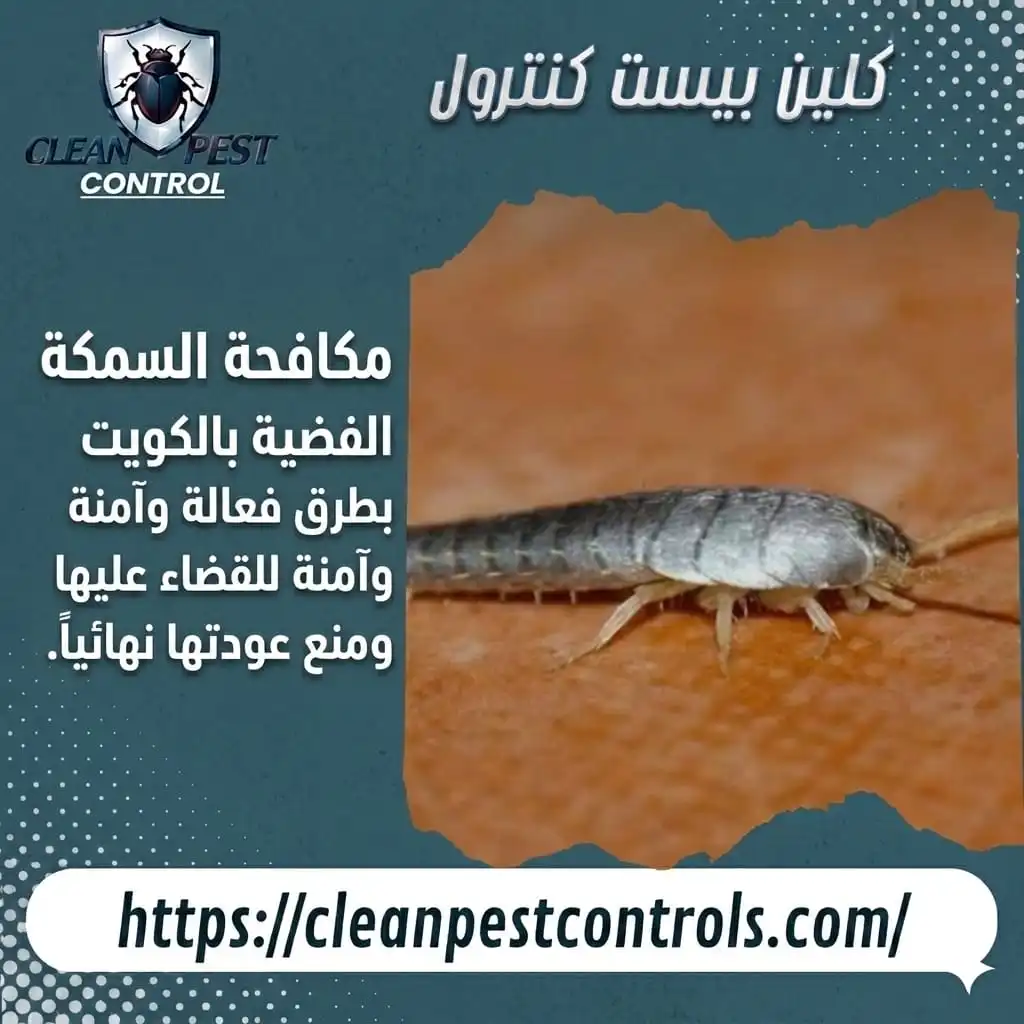
Silverfish are small wingless insects characterized by their elongated bodies covered with shiny silver scales that give them a metallic appearance. They are called silverfish because their quick, wavy movement resembles the motion of a fish swimming through water. Although many people first notice them in bathrooms or near sinks, they may have been present in the home for a long time without detection.
One of the defining characteristics of silverfish is their preference for darkness. They are primarily nocturnal and avoid direct light whenever possible. For this reason, they hide inside cracks, drawers, storage areas, bookshelves and paper collections. When lights are suddenly turned on, they often move rapidly toward the nearest hiding place.
Key characteristics that help identify silverfish include:
- A long silver-colored body with a tapered shape
- Small size that allows them to enter narrow openings
- Lack of wings despite their rapid movement
- Long and highly visible antennae
- Greater activity during nighttime hours
- A strong preference for humid and dark environments
Correct identification is important because silverfish can sometimes be confused with other household pests that require completely different treatment methods.
Why Are Silverfish Common in Kuwait?
Although Kuwait is known for its hot climate, many homes provide conditions that are highly favorable for silverfish survival. Indoor spaces with elevated humidity levels, limited ventilation and hidden storage areas create environments where these insects can thrive. This explains why silverfish may appear even in modern apartments and newly constructed villas despite good maintenance and cleaning habits.
Unlike pests that seek food waste or garbage, silverfish are attracted to moisture and materials containing starches, cellulose and certain organic compounds. As a result, storage rooms, bathrooms and laundry areas often become ideal habitats for their development.
Common factors that contribute to silverfish infestations in Kuwait include:
- High humidity levels inside bathrooms
- Poor ventilation in storage spaces and drawers
- Long-term storage of books and paper products
- Undetected water leaks
- Accumulations of cardboard boxes
- Infrequent cleaning of hidden areas
For this reason, the appearance of silverfish does not necessarily indicate poor sanitation. In many cases, it reflects environmental conditions that support their survival and reproduction.
Damage Caused by Silverfish: Books, Clothing and Wallpaper
Silverfish do not bite people or attack household occupants, but they can cause considerable material damage when infestations remain untreated. The primary issue is their feeding behavior. They consume substances containing starches, cellulose and organic compounds commonly found in many household items.
Many homeowners first recognize a silverfish infestation when they notice small feeding marks on books, important documents or stored paper materials. In other situations, damage becomes visible on clothing, wallpaper or decorative materials used throughout the home.
Items commonly affected by silverfish include:
- Old books and paper collections
- Stored documents and records
- Certain types of clothing and fabrics
- Wallpaper and adhesive materials
- Cardboard boxes and storage containers
- Photographs and paper albums
The challenge is that this damage occurs gradually. As a result, infestations may remain unnoticed for long periods before the true extent of the problem becomes apparent.
Favorite Hiding Places: Bathrooms, Kitchens and Drawers
If you notice silverfish in one area of your home, there is a strong possibility that additional individuals are hiding nearby without your knowledge. Silverfish do not prefer open, brightly lit environments. Instead, they actively seek quiet locations that provide moisture, shelter and access to food sources.
In Kuwaiti homes, bathrooms are among the most attractive environments for silverfish because of the constant humidity created by daily water use. However, bathrooms are far from the only location where infestations occur. Many infestations are discovered inside old drawers, behind cabinets, within storage rooms or among boxes filled with books and paper products that have remained undisturbed for years.
These locations are attractive because they combine several environmental conditions silverfish require for survival, including darkness, moisture, limited disturbance and access to suitable food materials.
- Beneath sinks and inside bathroom cabinets
- Behind refrigerators and appliances located near moisture sources
- Drawers that are rarely opened
- Storage rooms containing books and cardboard boxes
- Behind wallpaper in certain situations
- Corners of laundry rooms
- Above suspended bathroom ceilings
- Narrow gaps behind fixed cabinets
For this reason, seeing a single silverfish does not necessarily mean the infestation is limited to that specific area. Additional populations may be hiding elsewhere throughout the property.
Are Silverfish Dangerous to Human Health?
One of the most common questions people ask after discovering silverfish is whether these insects present a direct threat to family health. Fortunately, silverfish differ significantly from pests such as cockroaches and mosquitoes when it comes to disease transmission. They are not known to spread diseases to humans, and they do not bite, sting or feed on blood.
However, this does not mean their presence should be ignored. Large silverfish populations often indicate excessive humidity or environmental conditions that require attention. In addition, long-term infestations may result in significant damage to valuable belongings and stored materials.
In rare cases, the shed scales or waste materials produced by silverfish may contribute to irritation in highly sensitive individuals, but this is generally considered uncommon when compared with other household pests.
Important facts regarding silverfish and health include:
- They do not bite people
- They do not feed on blood
- They are not known disease carriers
- They are not poisonous insects
- They do not attack pets
- Their presence is more closely linked to environmental conditions than direct health risks
As a result, controlling silverfish is primarily aimed at protecting property and improving indoor environmental quality rather than addressing a major public health threat.
Home Removal Methods: What Works and What Does Not
When homeowners discover silverfish, they often begin experimenting with quick household solutions such as air fresheners, general insect sprays or repeated cleaning. While some of these actions may temporarily reduce visible activity, many fail to address the underlying causes of the infestation.
One of the most common mistakes is focusing solely on the insects that are visible. Silverfish spend the majority of their lives hidden within cracks, voids, storage areas and inaccessible spaces. Eliminating a few visible insects does not necessarily mean the infestation has been resolved.
Effective measures typically include:
- Cleaning hidden areas regularly
- Removing unnecessary old cardboard materials
- Organizing storage rooms and drawers
- Addressing moisture-related issues
- Sealing cracks and small openings
- Applying control methods specifically designed for silverfish
On the other hand, certain actions rarely provide lasting results when used alone:
- Spraying air fresheners
- Cleaning only visible surfaces
- Using insecticides without identifying the infestation source
- Ignoring long-term storage areas
- Eliminating visible insects while leaving hiding places untouched
Successful silverfish management depends on combining sanitation, moisture control and targeted treatment strategies rather than relying on quick temporary solutions.
Reducing Humidity: The Most Important Control Strategy
If there is one factor more responsible for silverfish infestations than any other, it is excess humidity. Silverfish depend heavily on humid environments for survival and development. For this reason, humidity management is both the most important preventive measure and one of the most effective long-term treatment strategies.
In many situations, homeowners observe a significant reduction in silverfish activity simply by repairing water leaks or improving ventilation, even before implementing professional pest control measures. The reason is straightforward. As environmental conditions become less favorable, silverfish lose their ability to survive and reproduce successfully.
Important humidity-reduction measures include:
- Repairing plumbing leaks in bathrooms and kitchens
- Improving airflow in enclosed spaces
- Operating bathroom exhaust fans regularly
- Preventing standing water from accumulating
- Ventilating storage areas and drawers frequently
- Avoiding paper storage in humid locations
- Monitoring moisture levels in laundry rooms
- Correcting insulation problems that contribute to condensation
The lower the humidity level becomes inside the property, the less suitable the environment becomes for silverfish, significantly reducing their ability to survive and reproduce.
Specialized Silverfish Treatments and Proper Application
After humidity issues have been addressed and environmental conditions improved, direct treatment of silverfish populations becomes the next important step. At this stage, many homeowners make the mistake of purchasing the first insecticide they find and applying it throughout the property without a specific strategy. The problem is that silverfish do not spend much time in open spaces. Their activity is concentrated within cracks, hidden voids and protected locations.
For this reason, treatment success depends less on the amount of product applied and more on whether treatment reaches the locations where silverfish actually live and hide.
Professional treatment programs focus on:
- Cracks surrounding cabinets and storage units
- Spaces behind appliances and utility lines
- Paper storage areas and archives
- Bathroom corners and laundry rooms
- Confirmed silverfish activity zones
- Locations where evidence of infestation has been observed repeatedly
The objective is not simply to eliminate visible insects but to reach the larger hidden population occupying inaccessible areas throughout the home.
Prevention: How to Stop Silverfish from Returning After Treatment
One of the primary reasons silverfish infestations return after treatment is that the environmental conditions that allowed the insects to thrive were never fully addressed. For this reason, prevention should not be viewed as a separate stage from treatment. Instead, it is a critical part of achieving long-term success.
Homes that maintain proper ventilation, control humidity and organize storage areas effectively are significantly less likely to experience recurring silverfish problems. In contrast, properties where moisture issues and clutter return after treatment often see reinfestations develop over time.
Important long-term prevention measures include:
- Maintaining low indoor humidity levels
- Removing unnecessary cardboard boxes and paper clutter
- Inspecting storage areas regularly
- Ventilating drawers, cabinets and enclosed spaces
- Cleaning hidden corners and neglected locations routinely
- Repairing leaks immediately after they are discovered
- Reducing the accumulation of old documents and paper products
- Monitoring for early warning signs of renewed activity
These simple preventive actions help create an environment that is much less attractive to silverfish and significantly reduce the likelihood of future infestations.
When Do You Need a Professional Company for a Silverfish Infestation?
In some situations, silverfish activity can be reduced through improved environmental management, humidity control and routine cleaning practices. However, there are also cases where professional intervention becomes necessary to achieve effective and lasting results.
If silverfish continue appearing regularly despite preventive efforts, or if damage to books, clothing, documents and stored materials becomes noticeable, the infestation is often larger than initially expected. This usually indicates the presence of hidden harborage areas that have not yet been identified.
Signs that professional assistance may be necessary include:
- Seeing silverfish daily or nearly every day
- Discovering activity in multiple rooms
- Visible damage to books, papers or stored items
- Continued sightings despite cleaning and prevention efforts
- Humidity problems that are difficult to resolve independently
- Large numbers of silverfish in storage rooms or drawers
In these situations, professional inspections help determine the true extent of the infestation and identify the hidden conditions contributing to the problem.
Why Is Clean Pest Control the Best Pest Control Company in Kuwait?
Clean Pest Control approaches silverfish infestations differently from companies that focus only on spraying visible insects. The process begins by identifying the environmental conditions responsible for the infestation and locating the areas where silverfish are living and reproducing.
This strategy provides more stable long-term results because it addresses both the insects themselves and the conditions that support their survival.
Key advantages provided to customers include:
- Extensive experience dealing with silverfish and other household pests
- Detailed inspections of humidity sources and hiding locations
- Targeted treatment of high-activity areas
- Solutions designed for apartments, homes and villas
- Preventive programs intended to reduce future infestations
- Fast service throughout Kuwait
- Follow-up support for properties requiring additional monitoring
This comprehensive approach provides more effective and sustainable results than temporary solutions focused solely on visible pest activity.
Conclusion
Silverfish may seem insignificant compared to other household pests, but they can become a persistent source of frustration and material damage when infestations are allowed to continue unchecked. Although they do not represent a major health threat, ignoring their presence allows populations to grow and spread throughout the property.
Successful silverfish control begins with understanding their behavior and addressing the environmental conditions that support them. By reducing humidity, improving ventilation, organizing storage areas and applying appropriate treatment methods when necessary, homeowners can dramatically reduce the likelihood of ongoing infestations.
When prevention and treatment are combined correctly, silverfish populations become much easier to control, creating a cleaner, more comfortable and better-protected home environment over the long term.
Frequently Asked Questions
Do silverfish bite people?
No. Silverfish do not bite, sting or feed on human blood.
Why are silverfish commonly found in bathrooms?
Bathrooms provide the moisture, warmth and darkness that silverfish prefer for survival and reproduction.
Can silverfish damage household belongings?
Yes. Silverfish can damage books, paper documents, wallpaper, cardboard materials and certain types of fabric over time.
What is the most important step in eliminating silverfish?
Reducing humidity and eliminating moisture-related conditions are among the most effective long-term control measures.
When should I contact a professional pest control company?
Professional assistance is recommended when silverfish continue appearing regularly, spread throughout multiple rooms or begin causing noticeable damage to stored belongings and household materials.



