
Many people in Kuwait use the words mouse and rat as if they mean exactly the same thing. However, in the field of rodent control, there are major differences between the two in terms of size, behavior, level of risk and even the methods used to eliminate them. This confusion often leads homeowners to deal with infestations incorrectly because what works effectively against small house mice may not be sufficient when dealing with large rats that move through drainage systems and underground infrastructure. Understanding the distinction between these rodents helps identify infestations earlier, choose the most suitable control strategy and reduce the health and property risks associated with their presence inside homes and commercial facilities. In this article, we will examine the most important differences between mice and rats, explore which one poses the greater threat and explain the most effective methods used to control each type.
Are Mice and Rats the Same Animal?

From a scientific perspective, mice and rats both belong to the rodent family, but they are not the same animal. While both possess continuously growing incisors and rely on constant gnawing to survive, there are clear differences in appearance, size, movement patterns and preferred habitats. These distinctions directly affect pest management strategies and influence the type and severity of damage that can occur within an infested property.
In many homes, residents initially assume they are dealing with common mice only to discover during a professional inspection that large rats are actually responsible for the infestation. Rats possess greater physical strength and are capable of surviving in more challenging environments than typical house mice.
Some of the key differences include:
- Mice are significantly smaller than rats
- Rats possess greater strength for digging and gnawing
- Mice prefer tight indoor hiding places
- Rats are capable of traveling longer distances
- Adaptation patterns differ depending on food and environment
- Rats generally cause more substantial physical damage
Understanding these differences from the beginning allows homeowners and pest control specialists to choose the correct traps, bait systems and treatment methods rather than relying on generic solutions that may fail to solve the problem.
Differences in Size and Behavior Between Mice and Rats
Size is usually the first difference people notice when comparing mice and rats, but the distinction goes far beyond physical appearance. House mice are generally lighter, smaller and capable of moving quickly through confined spaces. Rats, on the other hand, are larger, heavier and capable of causing much greater structural damage within a property.
Behaviorally, mice tend to remain close to food sources and small hiding places within buildings. Rats are more adventurous and capable of using drainage systems, underground routes and exterior structures to access homes and facilities.
Important behavioral differences include:
- Mice utilize extremely small openings for shelter
- Rats rely on larger and more complex pathways
- Mice move rapidly throughout indoor environments
- Rats can transport larger nesting materials
- Mice commonly occupy drawers, cabinets and furniture
- Rats prefer lower levels, utility systems and infrastructure areas
These behavioral differences make proper identification an essential first step before implementing any professional rodent control program.
Rats: Invaders of Drainage Systems and Infrastructure

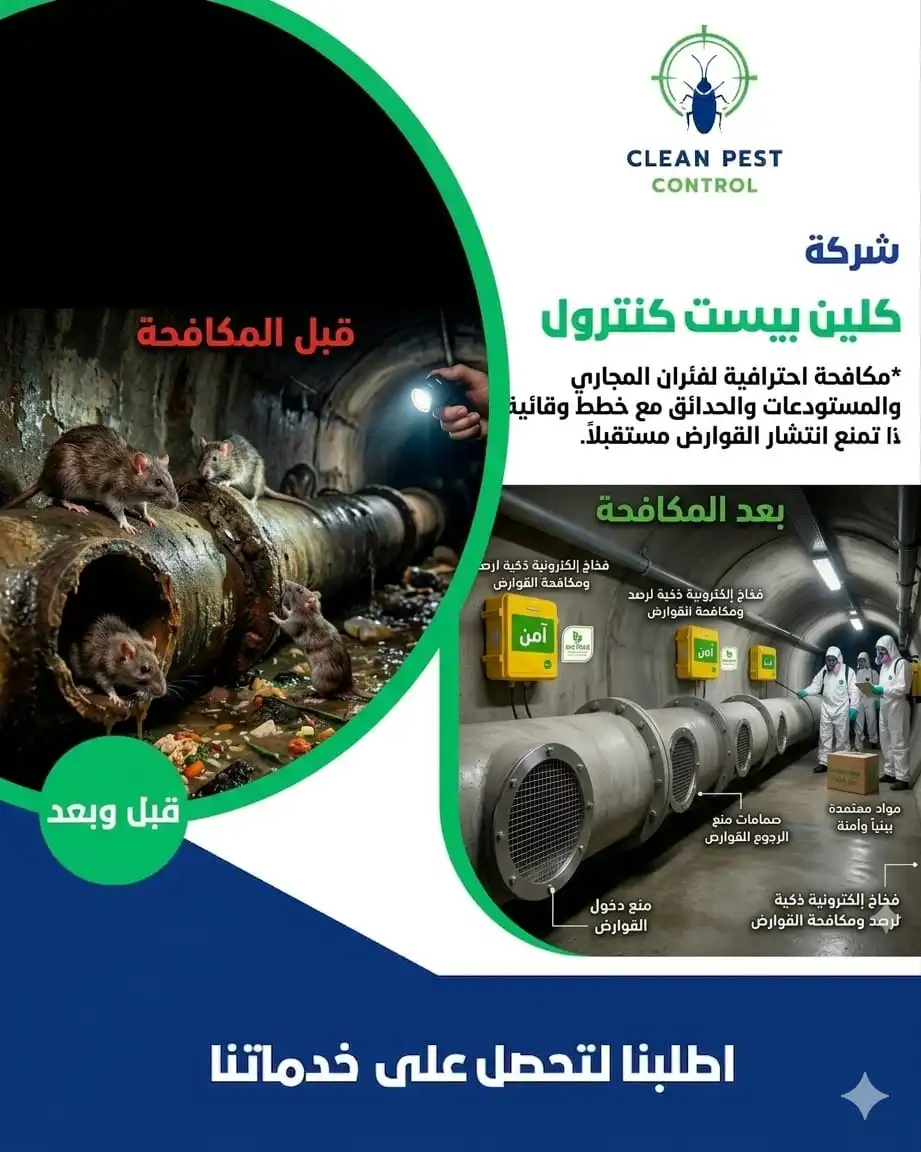
One of the most dangerous characteristics of rats is their ability to exploit a building’s infrastructure to travel unnoticed. Drainage systems, utility lines and underground networks provide ideal routes that allow rats to move between different locations without being detected.
In some areas of Kuwait, rats have been discovered inside buildings after using underground pathways for extended periods without ever being directly observed by residents. The problem is that rats can enter through larger openings and then begin searching for food and water inside the property.
Common problems associated with rats include:
- Using drainage systems as transportation routes
- Damaging infrastructure and utility installations
- Accessing warehouses and storage facilities
- Carrying contaminants from outside environments indoors
- Building nests in difficult-to-reach locations
- Creating significant financial losses when infestations are ignored
For these reasons, rats are among the rodent species most likely to require specialized and ongoing control programs, particularly in larger commercial or industrial facilities.
Mice: Drawn to Furniture, Storage Areas and Drawers
While rats are commonly associated with drainage systems and infrastructure, house mice are known for something entirely different. These rodents have an exceptional ability to adapt to indoor environments and live in close proximity to people for extended periods without being detected. A mouse does not require large spaces to establish itself. A neglected drawer, a gap behind a cabinet or a small corner of a storage room may be sufficient for building a nest and creating a permanent hiding place.
In many Kuwaiti homes, infestations begin in locations homeowners rarely suspect. Sometimes activity develops behind heavy furniture. In other cases, mice establish themselves inside food storage rooms or among cardboard boxes that have remained untouched for long periods. What makes mice particularly troublesome is their preference for staying close to food sources. As a result, kitchens, storage rooms and drawers are often among the first areas where activity appears.
Locations that commonly attract mice include:
- Rarely used kitchen drawers
- Behind wardrobes and large furniture
- Storage rooms filled with boxes and old belongings
- Areas used to store grains and dry foods
- Behind refrigerators, washing machines and appliances
- Suspended ceilings and wall cavities
Mice are also highly skilled at exploiting household clutter. The more disorganized a storage area becomes, the greater the opportunity for rodents to establish hidden nesting sites. This is why organizing storage areas and minimizing unnecessary cardboard accumulation is an important part of long-term rodent prevention.
Which Is More Dangerous to Health: Mice or Rats?
This is one of the most common questions asked when a rodent infestation is discovered. The realistic answer is that both mice and rats represent serious health risks, but the nature and extent of those risks differ depending on the size of the infestation and the environment in which the rodents are living.
Because mice tend to live very close to food storage and food preparation areas, they can directly contaminate food supplies through their droppings, urine and movement across surfaces. Rats create an additional level of concern because they frequently travel between highly contaminated environments, drainage systems and outdoor areas before entering homes and commercial properties.
Health concerns associated with both rodents include:
- Contamination of food and food preparation areas
- Spreading bacteria and disease-causing organisms
- Polluting frequently touched household surfaces
- Attracting additional pests and insects
- Producing unpleasant odors throughout the property
- Reducing overall sanitation and hygiene standards
When comparing overall risk, rats are often considered more dangerous in large infestations because of their size, mobility and ability to travel through heavily contaminated environments. However, mice remain extremely problematic within homes because they commonly live very close to kitchens, food supplies and household storage areas.
For this reason, the level of danger should never be judged solely by the species involved. The severity of the infestation, the location and the extent of contamination are equally important factors.
Different Control Methods Depending on the Species
One of the most common mistakes made by inexperienced individuals is assuming that all rodents can be controlled using the same techniques. In reality, pest management strategies differ significantly between mice and rats because of variations in behavior, body size, movement patterns and nesting habits.
Mouse control programs typically focus on small indoor hiding places, narrow travel routes and areas close to furniture and food sources. Rat control often requires a broader approach that includes exterior environments, drainage systems, utility routes and the surrounding perimeter of the property.
When developing a professional rodent management plan, specialists evaluate several important factors:
- The specific rodent species present
- The severity and scale of the infestation
- Potential nesting and hiding locations
- Available food and water sources
- The design and structure of the building
- The presence of children or pets on the property
Because every infestation is different, professional pest control companies do not rely on a single universal solution. Instead, they develop customized treatment programs based on inspection findings and environmental conditions.
Toxic Baits: How Do They Work and What Risks Do They Pose to Children?
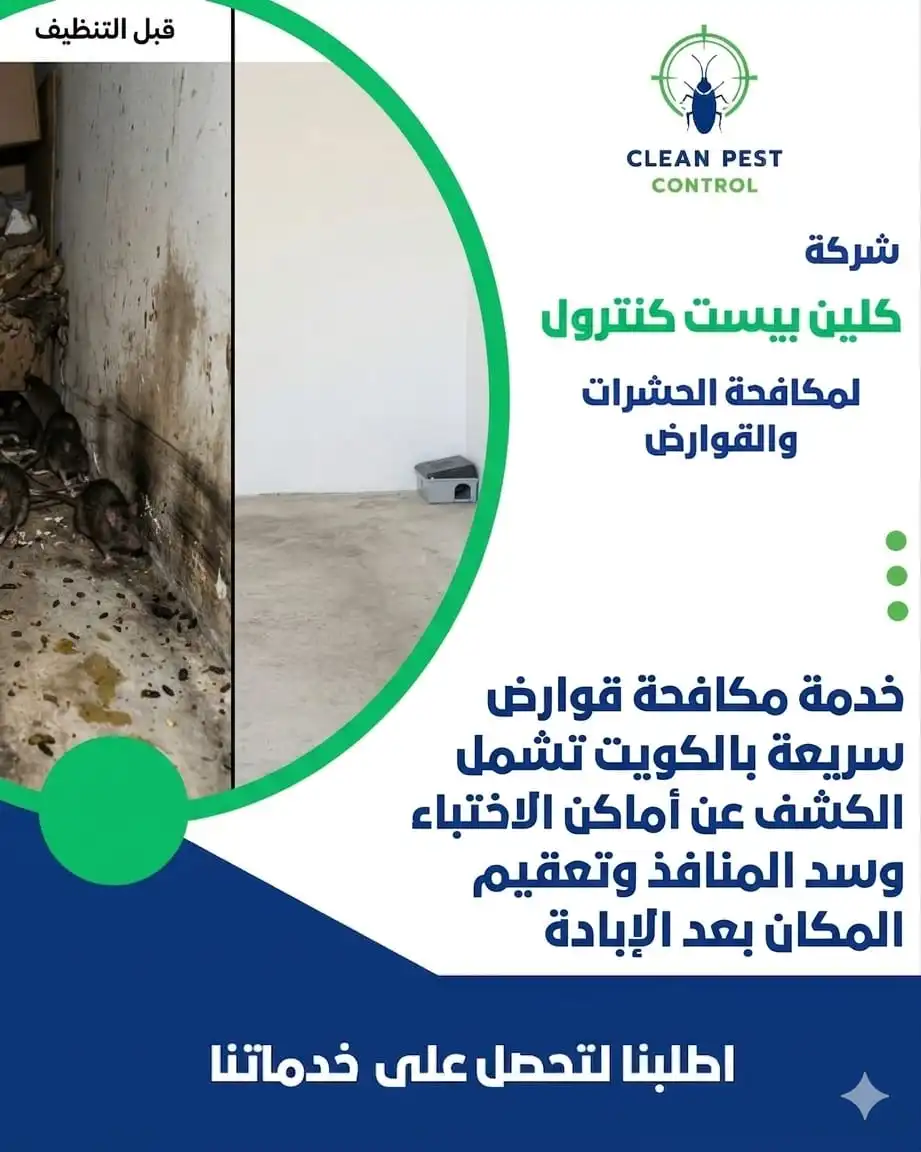
Toxic rodent baits remain one of the most widely used tools in rodent management. However, they are also among the methods that require the highest level of responsibility and professional oversight. These products contain active ingredients designed to attract rodents and affect them after consumption through carefully formulated biological mechanisms.
The primary concern is not necessarily the bait itself but how it is used. When bait products are placed carelessly inside homes or in locations that are easily accessible, they may create potential risks for children and household pets. For this reason, rodent baits should never be distributed randomly without a clear understanding of appropriate placement and safety procedures.
Important considerations regarding toxic baits include:
- They should be positioned in protected locations
- They should never be left exposed in living areas
- Regular inspection and monitoring are essential
- Appropriate bait selection depends on the infestation type
- They work best as part of a comprehensive control program
- Additional safety precautions are required in residential environments
Because of these concerns, professional pest management companies typically use specialized safety systems that protect both residents and pets while maintaining the effectiveness of the bait.
Secure Bait Stations: The Best Solution for Homes
In recent years, secure bait stations have become one of the most important tools used in professional rodent management programs throughout homes, villas and commercial facilities. These stations are specifically designed to protect bait products and traps from accidental contact while preventing children and pets from accessing potentially hazardous materials.
The primary advantage of secure bait stations is that they allow rodents to enter naturally while keeping the bait or trap safely enclosed within a locked and protected structure. They also help pest control professionals monitor rodent activity more accurately and evaluate the effectiveness of treatment programs over time.
Benefits of secure bait stations include:
- Increased safety throughout the property
- Protection for children from direct bait exposure
- Reduced risks for household pets
- Preservation of bait effectiveness
- Improved monitoring of rodent activity
- Reduced interference with treatment equipment
For these reasons, bait stations have become a standard component of modern rodent control programs, especially within residential environments where safety is a top priority.
Why Household Traps Alone Are Not Enough for Severe Infestations
Many homeowners immediately purchase household traps after noticing the first signs of a mouse or rat. While traps can certainly be useful in limited situations, relying on them alone is rarely sufficient when dealing with large infestations or long-term rodent activity.
A trap may eliminate individual rodents, but it does not address the underlying conditions that allowed the infestation to develop. If entry points remain open and food and water sources continue to be available, rodent activity will persist even after several animals have been captured.
Reasons household traps often fail during major infestations include:
- They do not reach every rodent present
- Breeding continues within hidden nesting locations
- Multiple travel routes remain active
- Attractants such as food and water remain available
- Entry points are left unsealed
- The true scale of the infestation remains unknown
For this reason, traps are most effective when used as one component of a broader rodent management strategy rather than as a standalone solution.
When Do You Need a Professional Rodent Control Company?
In some situations, the signs of infestation clearly indicate that the problem exceeds what can reasonably be handled with household products and basic control measures. When droppings appear in multiple areas, nighttime noises become increasingly common or evidence of rodent activity continues to grow, professional intervention is often necessary.
Professional pest control companies offer more than advanced control products. They also identify the source of the infestation, determine its severity and develop strategies designed to prevent future problems.
Situations that typically require professional assistance include:
- Rodent activity continues despite household efforts
- Damage appears on wiring, furniture or stored materials
- Signs of infestation spread to multiple areas
- Children or pets are present within the home
- Large rats are suspected
- Odors and noises continue for extended periods
The earlier professional treatment begins, the easier and less expensive it is to regain control of the infestation.
Why Is Clean Pest Control the Best Pest and Rodent Control Company in Kuwait?

Clean Pest Control does not rely on simply placing bait or traps and waiting for results. Every service begins with a detailed inspection designed to identify the rodent species involved, locate the source of activity and determine potential entry points. Based on these findings, a customized treatment plan is developed for the property.
Key advantages customers receive include:
- Rapid response throughout Kuwait
- Extensive experience controlling both mice and rats
- Safe bait station systems for residential properties
- Solutions tailored to homes and commercial facilities
- Continuous monitoring for complex infestations
- Preventive programs designed to stop future activity
This systematic approach provides more reliable long-term results and significantly reduces the likelihood of recurring rodent problems.
Conclusion
Mice and rats belong to the same rodent family, but the differences between them are substantial in terms of size, behavior, risk level and treatment requirements. Rats generally pose a greater threat to infrastructure, drainage systems and structural components, while mice are more commonly associated with kitchens, furniture, storage rooms and indoor living spaces.
Understanding these distinctions helps property owners choose the correct solution from the beginning and avoid wasting time and money on ineffective methods. When the first signs of rodent activity appear, prompt action and professional assistance remain the most effective ways to protect both property and public health from the risks associated with rodent infestations.
Frequently Asked Questions
Are rats larger than mice?
Yes. Rats are significantly larger, stronger and more physically powerful than typical house mice.
Which rodent is more dangerous to human health?
Both species present health risks, but rats are often considered more dangerous in large infestations because of their size and movement through contaminated environments.
Are household traps enough to eliminate rats?
Traps may help in small infestations, but larger rodent problems usually require a comprehensive professional control program.
Are toxic rodent baits safe inside homes?
They can be used safely when placed inside secure bait stations and managed according to proper safety guidelines.
When should I contact a rodent control company?
Professional assistance is recommended whenever rodent activity continues, signs increase or multiple rodents are suspected within the property.



