
When homeowners discover a mouse or rat inside their property, their first reaction is usually to search for the fastest possible solution. However, the challenge is not only the rodent itself but also the method used to eliminate it. Many traditional control approaches rely on toxic baits or products that may create risks when used incorrectly, especially in homes where young children or pets are present. This is why safe rodent control has become one of the most important concerns for families in Kuwait today. The goal is not simply to eliminate mice and rats but to protect everyone living in the home throughout the treatment process and beyond. With the advancement of modern pest management techniques, effective solutions now exist that combine safety and performance while delivering powerful results without exposing family members to unnecessary risks.
The Dangers of Traditional Poison Baits for Children and Pets
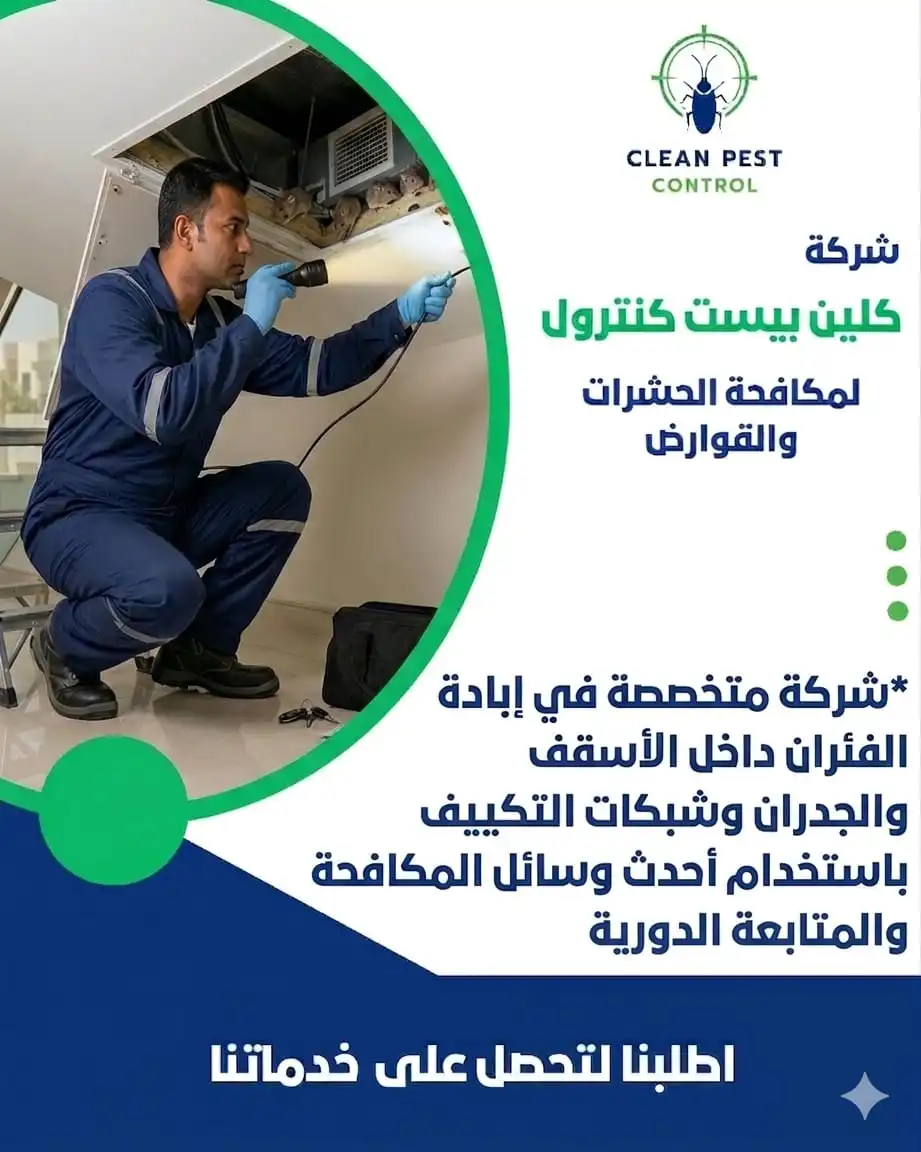
One of the most common mistakes seen in residential properties is the use of toxic rodent baits purchased from retail stores and placed randomly in kitchens, storage rooms or behind furniture. Homeowners are often focused on eliminating rodents as quickly as possible and may overlook the fact that the same product designed to attract a mouse or rat could also pose a danger if accessed by a child or pet.
In many situations, the problem is not necessarily the bait itself but how it is used. Some individuals place bait in open areas, drawers or corners that are easily accessible. In homes where children enjoy exploring their surroundings or pets move freely from room to room, the possibility of accidental exposure increases significantly.
Risks associated with improper bait placement include:
- Children gaining access to active bait materials during play
- Pets consuming bait products directly
- Difficulty monitoring where toxic materials have been placed
- Baits being moved to unintended locations
- Use of unsuitable or unregulated products
- Relying on excessive quantities rather than proper rodent control methods
For these reasons, professional rodent control companies increasingly rely on safer and more controlled alternatives instead of leaving exposed toxic materials throughout the property.
What Are the Safe Alternatives for Rodent Control in Homes?
When children, elderly family members or pets are present, finding safer alternatives becomes a top priority. Fortunately, modern rodent control no longer depends solely on traditional poison-based methods. Today, integrated rodent management programs focus on prevention, monitoring and targeted control while minimizing unnecessary risks.
One of the core principles of modern rodent management is reducing the need for exposed toxic materials whenever possible. Instead, professionals use strategies that combine monitoring systems, exclusion techniques and environmental management to address the root causes of infestations rather than simply targeting visible rodents.
Common alternatives used in residential environments include:
- Secure and tamper-resistant bait stations
- Professionally placed trapping systems
- Rodent exclusion and entry-point sealing programs
- Removal of food and water sources
- Routine monitoring and inspection services
- Long-term preventive strategies designed to discourage reinfestation
These approaches are often more effective than traditional methods because they focus on eliminating the conditions that allow rodents to thrive rather than merely addressing the symptoms of the infestation.
Bait Stations: Family Safety and Rodent Control Effectiveness
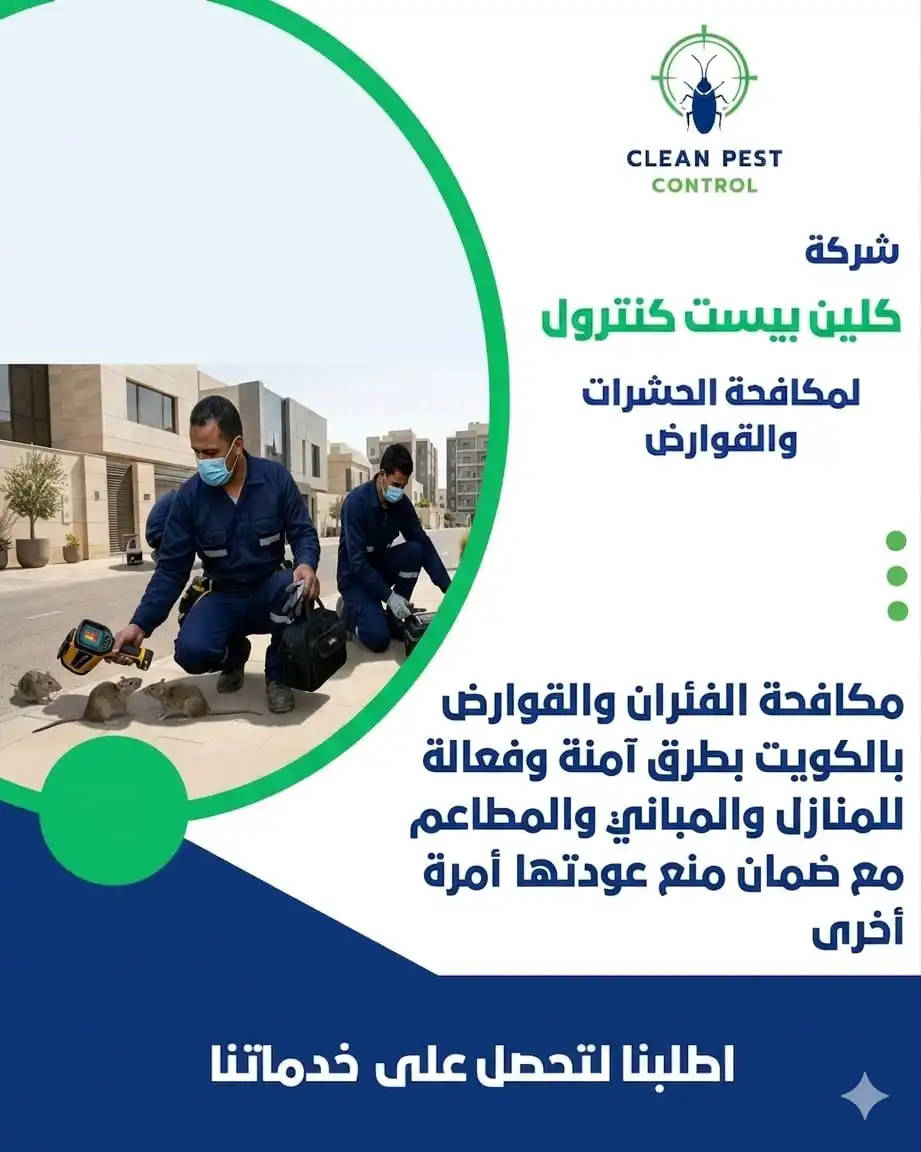
Over the past several years, bait stations have become one of the most widely used tools in residential rodent control throughout Kuwait. The reason is simple. They provide the balance homeowners are looking for by combining safety and effectiveness within a single solution.
A bait station is a secure enclosure specifically designed to allow rodents access while preventing children and pets from reaching the bait or traps inside. In addition to protecting household members, bait stations also help pest management professionals monitor rodent activity and evaluate the effectiveness of treatment programs.
The advantages of bait stations include:
- Higher levels of safety throughout the home
- Protection of children from direct exposure
- Reduced risks for pets
- Improved effectiveness of treatment materials
- Easier monitoring of rodent activity
- Lower risk of tampering or accidental movement
For these reasons, bait stations have become a fundamental component of professional rodent control programs designed for family homes and residential environments.
Sealing Gaps and Openings: Preventing Rodents from Entering
One of the biggest mistakes homeowners make is focusing entirely on eliminating rodents that are already inside the property while ignoring how they entered in the first place. Even highly successful rodent control treatments can fail in the long term if access points remain open. This is why exclusion work and entry-point management are among the most important components of modern rodent control.
Rodents possess an extraordinary ability to exploit surprisingly small openings. Some mice can squeeze through gaps that homeowners would never imagine could serve as entry routes. For this reason, professional inspections include a thorough evaluation of the property perimeter and potential access points.
Common rodent entry locations include:
- Gaps surrounding plumbing systems
- Openings around air-conditioning and utility lines
- Spaces beneath exterior doors
- Utility penetrations within storage areas
- Hidden gaps behind kitchen installations
- Small cracks within walls and ceilings
Addressing these vulnerabilities dramatically reduces the risk of future infestations and transforms rodent control from a temporary solution into a long-term prevention strategy.
Cleaning Storage Areas and Kitchens: Removing Food Sources
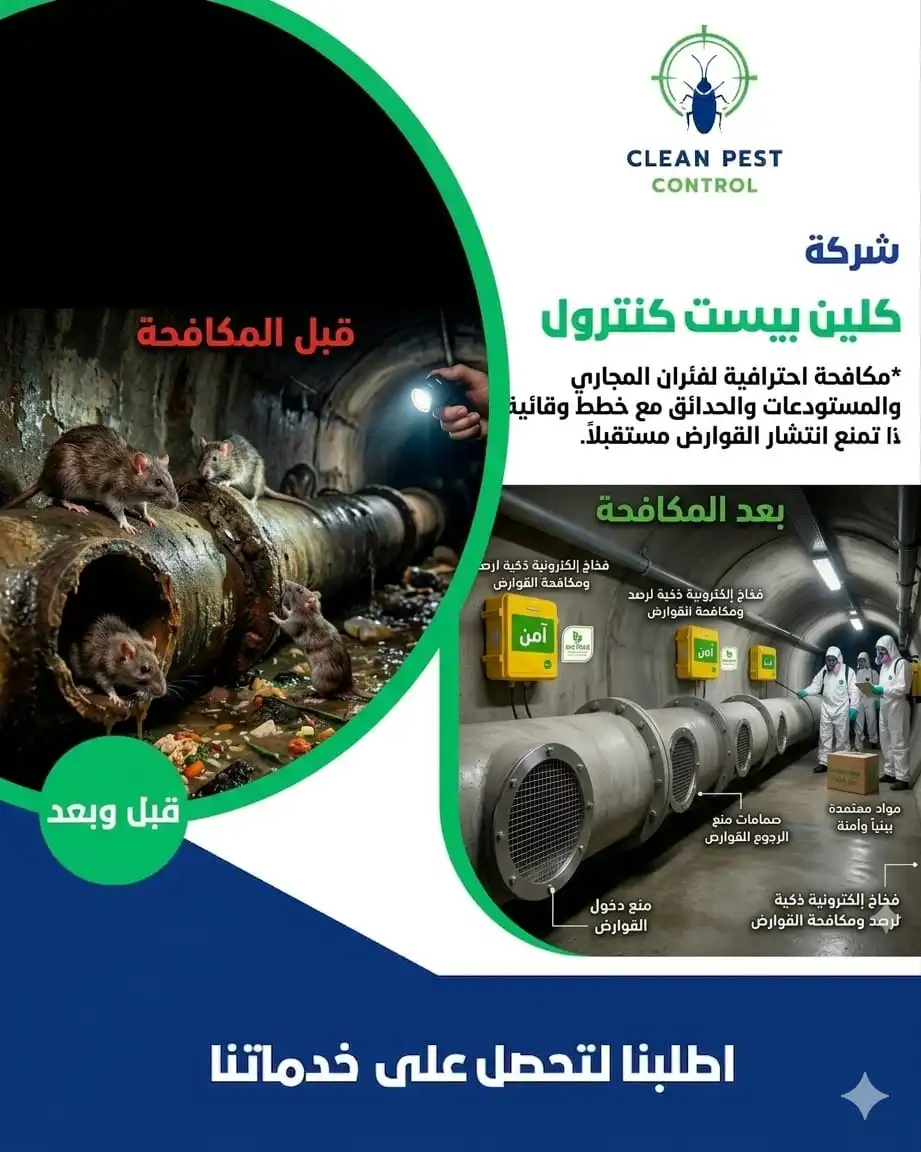
Rodents do not enter a property simply because they like the environment. They enter because the location provides what they need to survive. Food, water and shelter are the primary factors that attract mice and rats. This is why kitchen and storage room management play such a critical role in successful rodent control.
In many rodent control cases throughout Kuwait, simple habits contribute directly to ongoing infestations. Examples include leaving food packages open, storing dry goods in cardboard containers or allowing food debris to accumulate behind appliances for extended periods.
Practical steps for reducing food availability include:
- Storing food in sealed containers
- Removing food waste daily
- Cleaning beneath appliances regularly
- Avoiding continuous exposure of pet food
- Organizing storage areas and reducing clutter
- Repairing leaks that provide water sources
The less attractive the environment becomes, the lower the likelihood that rodents will remain or return in the future.
Do Pheromones and Electronic Repellents Work?
This question has become increasingly common in recent years due to the growing popularity of electronic repellent devices and heavily marketed products that promise to eliminate rodents with minimal effort. The reality requires a balanced and realistic perspective.
Many electronic repellents rely on ultrasonic sound waves or vibration technology intended to create an uncomfortable environment for rodents. In certain situations, these devices may contribute to temporary reductions in activity. However, relying on them as a complete solution for an active infestation is generally unrealistic.
Pheromone-based products and scent-related attractants or repellents are also sometimes used as supplementary tools within broader rodent management programs rather than as standalone solutions.
Important facts about these technologies include:
- They may assist in some situations but rarely address the root cause
- They do not replace exclusion and entry-point sealing
- They do not stop breeding populations
- Results vary significantly between environments
- They perform best as part of integrated programs
- They are not substitutes for professional treatment when infestations are severe
For these reasons, they are best viewed as supportive tools rather than complete rodent control solutions.
Proper Treatment Approaches for Homes with Babies and Children
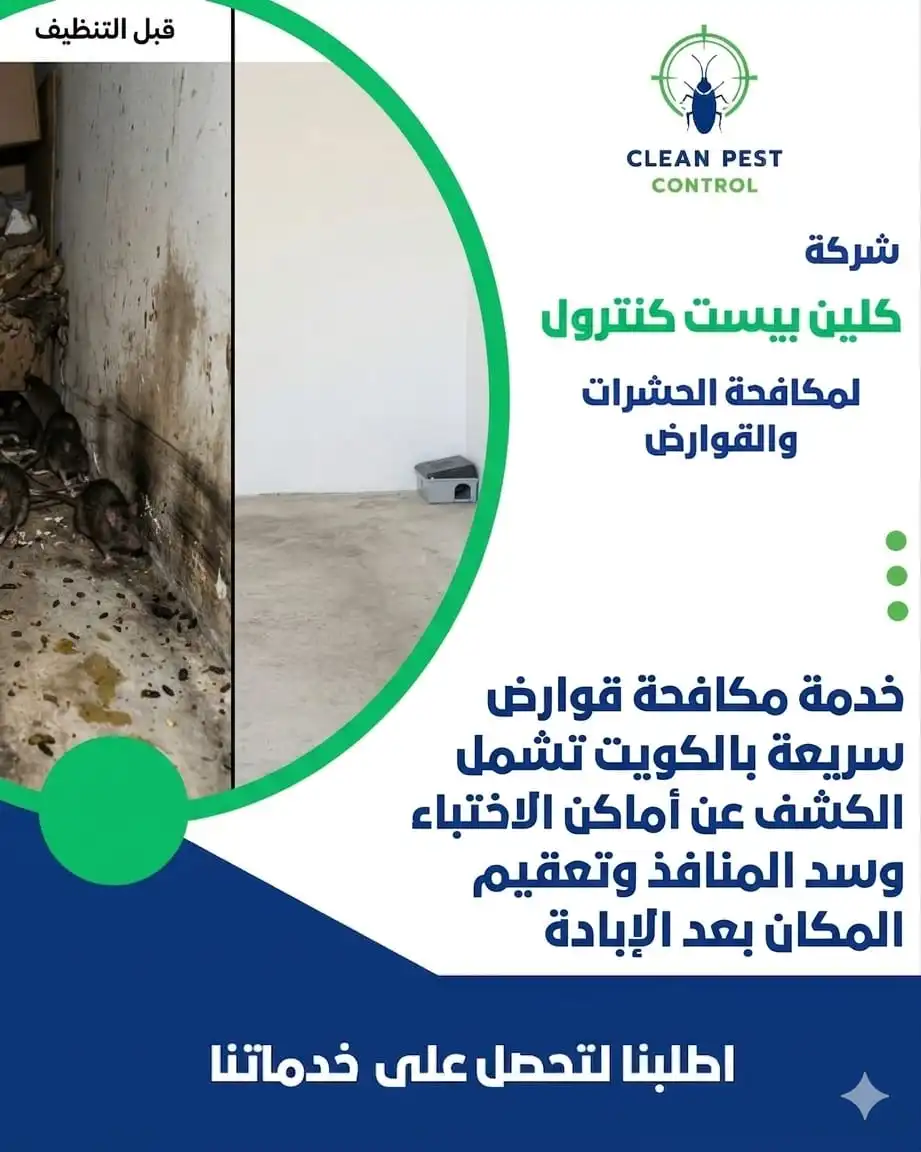
When babies, toddlers or young children live inside a home, safety becomes the highest priority throughout every stage of the rodent control process. For this reason, treatment procedures in family homes differ significantly from those used in facilities where children are not present.
The first step involves evaluating the property layout and identifying the areas where children spend most of their time. Based on this assessment, control methods are selected and positioned in locations that remain inaccessible to children while still maintaining effectiveness against rodents. Families are also provided with clear instructions regarding ventilation, cleaning procedures and post-treatment precautions.
Key principles of rodent control in homes with children include:
- Using secure and protected control systems whenever possible
- Avoiding exposed treatment materials in play areas
- Positioning control devices away from children’s reach
- Providing clear safety guidance to family members
- Conducting follow-up inspections when necessary
- Prioritizing prevention and exclusion alongside treatment
This approach creates a balance between effective rodent management and maintaining a safe, comfortable environment for every member of the household.
Rodent Control in Homes with Pets
The presence of cats, dogs, birds or other household pets introduces additional considerations when designing a rodent control program. Pets are naturally curious and may investigate unfamiliar objects placed within their environment. As a result, treatment methods used in pet-friendly homes must be carefully selected and implemented.
In these situations, the focus shifts toward secure systems and carefully chosen placement locations. Homeowners are also advised on how to manage pet access during and after treatment to ensure maximum safety.
Common practices in homes with pets include:
- Using secure and tamper-resistant bait stations
- Positioning treatment devices in inaccessible areas
- Avoiding exposed bait placement
- Monitoring pet movement within the property
- Reviewing safety recommendations with homeowners
- Scheduling follow-up visits when appropriate
The objective is to achieve effective rodent control while maintaining the well-being and safety of all animals living within the home.
When Is Temporary Home Evacuation Necessary During Treatment?
One of the most common concerns homeowners have when requesting rodent control services is whether they will need to leave the property during treatment. The answer depends on the nature of the infestation, the methods being used and the overall treatment plan.
In most modern rodent control programs, complete evacuation is not necessary because many solutions rely on enclosed bait stations, traps and localized treatment techniques that do not significantly disrupt normal household activities.
However, there are situations where temporary precautions or restricted access to certain areas may be recommended depending on the specific work being performed.
Factors that influence whether temporary evacuation is necessary include:
- The treatment methods being used
- The severity and extent of the infestation
- The presence of infants or individuals with special health considerations
- The size and layout of the property
- Technical requirements associated with the treatment plan
- The level of activity required during implementation
For this reason, all relevant instructions are explained clearly before treatment begins so homeowners understand exactly what precautions may be necessary.
Follow-Up Recommendations to Prevent Rodent Return
Successful rodent control does not end once mice or rats disappear. Maintaining long-term results requires ongoing attention and a few practical preventive measures that reduce the likelihood of future infestations.
Many recurring infestations occur because the same conditions that attracted rodents originally are allowed to return. This is why prevention remains an essential component of every successful rodent management program.
Important post-treatment recommendations include:
- Inspecting kitchens and storage areas regularly
- Maintaining proper food storage practices
- Monitoring for new signs of rodent activity
- Repairing cracks and openings immediately
- Reducing clutter and unnecessary cardboard storage
- Contacting professionals when early warning signs appear
These simple measures help maintain a safer environment and significantly reduce the risk of future rodent problems.
Why Is Clean Pest Control the Best Pest and Rodent Control Company in Kuwait?

Clean Pest Control follows a different philosophy when it comes to rodent management. The objective is not simply to eliminate current activity but to protect families and properties over the long term. This is achieved through a combination of detailed inspections, safe treatment methods, preventive strategies and ongoing monitoring.
Customers benefit from several important advantages:
- Rapid response throughout Kuwait
- Safe solutions for homes with children and pets
- Professional-grade secure bait station systems
- Preventive programs designed to reduce future infestations
- Extensive experience with various rodent species
- Continued monitoring for properties requiring additional supervision
This approach provides greater peace of mind and more stable long-term results than temporary or reactive solutions.
Conclusion
Safe rodent control does not mean sacrificing effectiveness. In fact, modern rodent management techniques have demonstrated that safety and performance can work together when treatments are implemented professionally and strategically. Through entry-point sealing, food-source management, secure control systems and ongoing monitoring, rodent infestations can be addressed successfully without exposing families or pets to unnecessary risks.
When infestations are addressed at their source rather than focusing only on visible symptoms, success rates improve significantly and results tend to remain stable for much longer periods. This is why a comprehensive, prevention-focused approach continues to be the most effective strategy for long-term rodent control.
Frequently Asked Questions
Are toxic rodent baits dangerous for children?
They can be dangerous if used improperly or left exposed. This is why secure bait stations and professionally managed treatment systems are strongly recommended.
Is it possible to control rodents without using toxic products?
Yes. Many modern solutions rely on trapping systems, secure bait stations, exclusion techniques and environmental management rather than exposed toxic materials.
Are electronic rodent repellents effective?
They may provide limited assistance in certain situations, but they should not be considered a complete solution for active rodent infestations.
Do homes with pets require special treatment procedures?
Yes. Treatment plans are adjusted to ensure higher levels of safety through secure placement methods and pet-friendly management practices.
What is the most important step for preventing rodents from returning?
Sealing entry points, removing food and water sources and conducting regular inspections are among the most effective preventive measures.