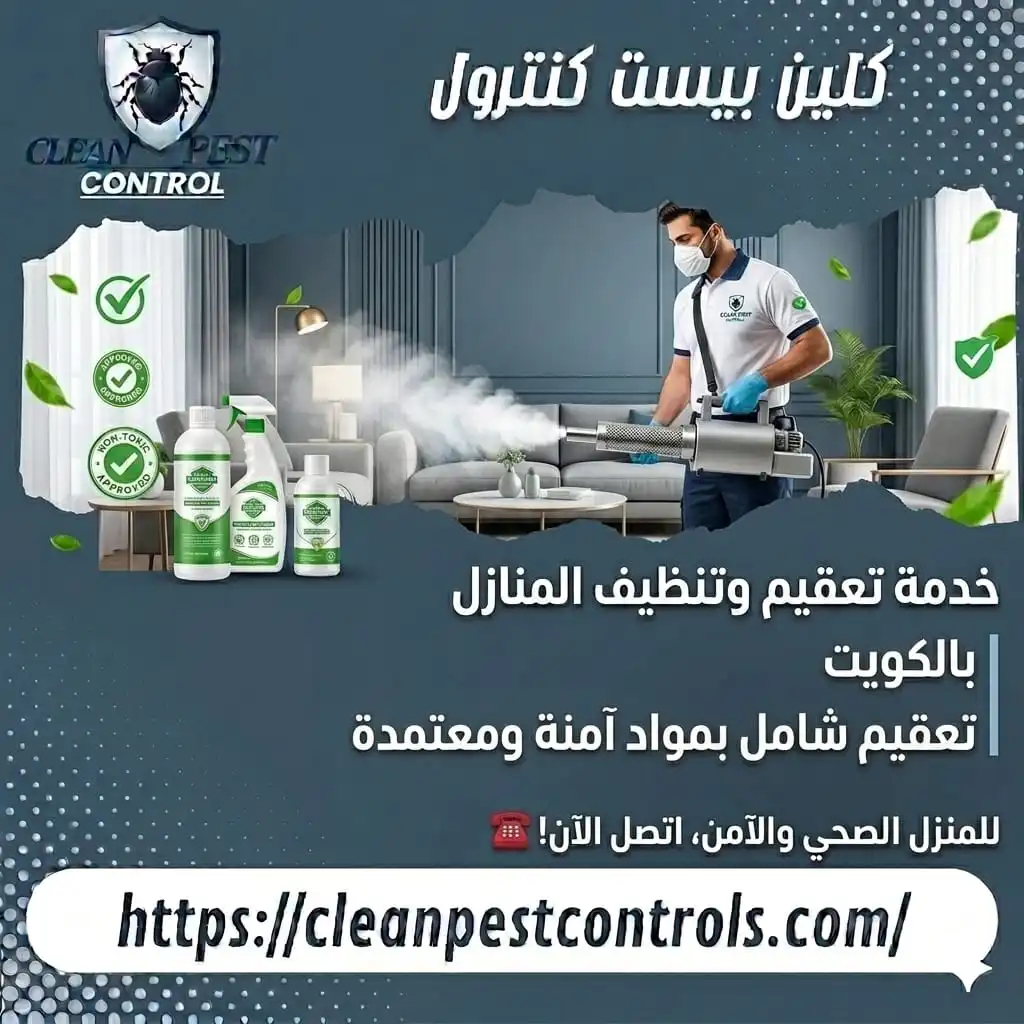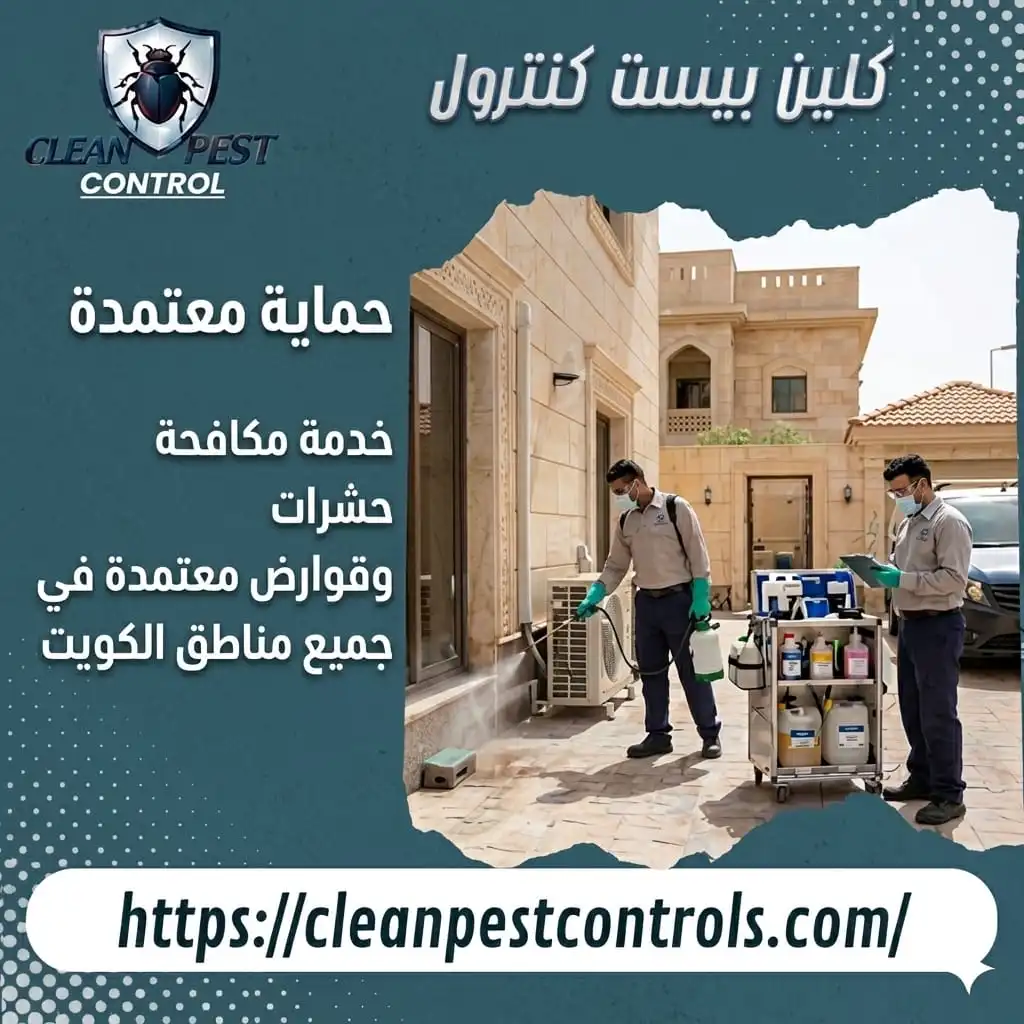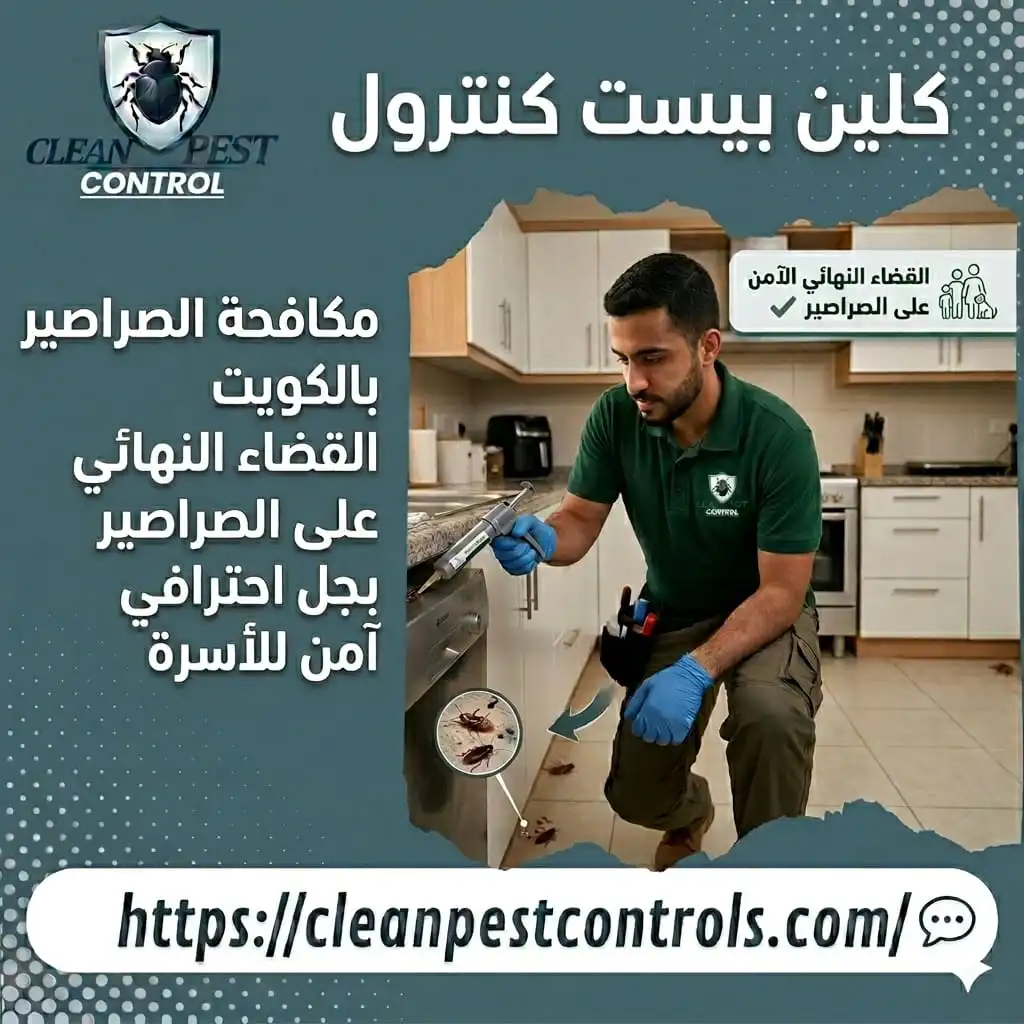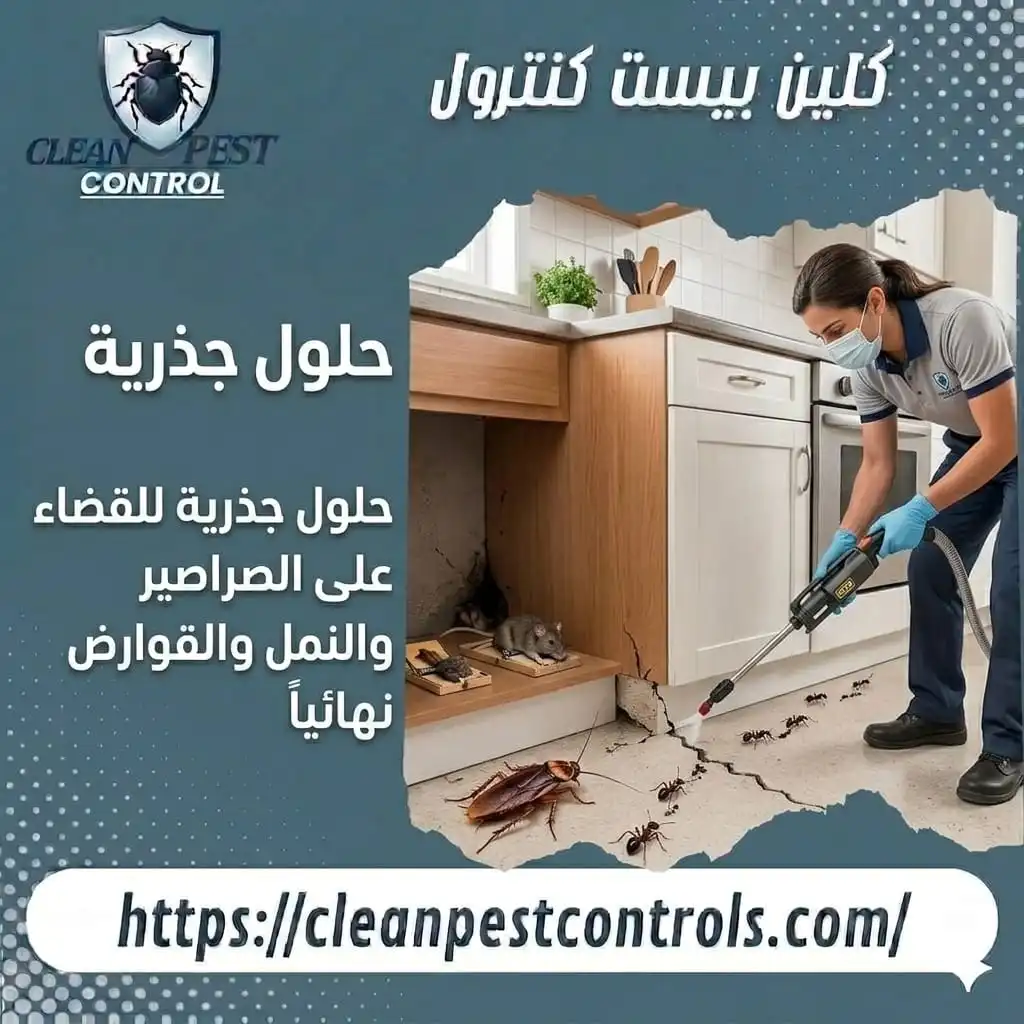
Many people assume that pest control is exactly the same whether it is performed inside a home, a company, a restaurant or a hospital. In reality, every property has its own operating environment, different risk factors and specific requirements that must be considered before selecting treatment methods or professional pest control products. Residential properties require special attention to family safety and comfort, while businesses focus on maintaining uninterrupted operations. Restaurants and healthcare facilities must comply with even stricter hygiene and safety requirements. For this reason, professional pest control companies develop customized treatment programs for every property type, ensuring effective pest management while protecting occupants, maintaining business continuity and meeting the operational standards required for each environment.
Is Pest Control for Homes Different from Pest Control for Businesses?
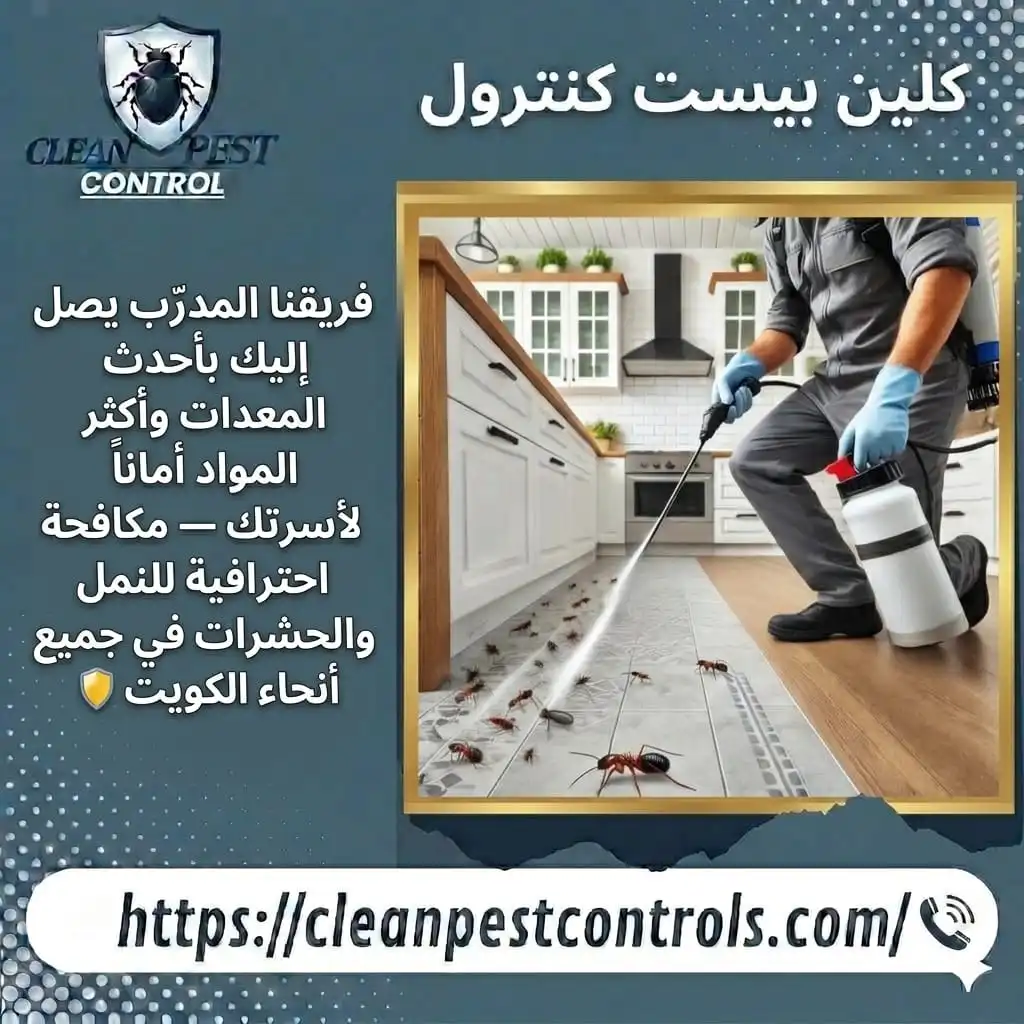
The answer is yes, and the differences extend far beyond the size of the property. The distinction begins during the initial inspection. When visiting a home, professional technicians evaluate the number of family members, the presence of children, elderly residents or pets and the daily use of each room before selecting a treatment program that combines effective pest management with maximum household safety. In contrast, inspections at commercial properties focus on business activities, operating hours, customer traffic and how pest control services can be performed without interrupting normal business operations.
Customer priorities also differ significantly between residential and commercial properties. Homeowners generally seek effective pest elimination while minimizing inconvenience to their families. Business managers, however, prioritize protecting their company's reputation, maintaining operational continuity and complying with industry-specific regulations. For this reason, applying exactly the same pest management program to every type of property would never produce the best long-term results.
Extensive field experience consistently demonstrates that companies providing customized treatment programs for different property types achieve far more reliable and sustainable pest control than companies relying upon identical procedures for every customer.
Professional treatment programs vary according to:
- Property type
- Business activity
- Number of occupants
- Overall risk level
- Target pest species
- Safety requirements
Successful pest management always begins with understanding the nature of the property before selecting the treatment strategy.
How Property Size Influences Treatment Methods and Products
Every change in property size influences the way professional pest management programs are designed and implemented. A small apartment requires a completely different treatment strategy from a private villa, while both differ significantly from a multi-story office building. Warehouses, factories and industrial facilities often require comprehensive treatment plans divided into separate operational zones and scheduled implementation phases that allow pest control to be completed without disrupting normal business activities.
Property size affects much more than the quantity of professional treatment products required. It also determines the number of technicians assigned to the project, the type of commercial equipment used, the overall treatment schedule and the follow-up inspection program after the initial service has been completed. Some commercial properties require treatment outside normal working hours or over multiple scheduled visits in order to avoid interfering with daily operations.
Professional pest control companies therefore perform detailed property inspections before preparing treatment proposals because square footage alone is never sufficient. Room layouts, structural entry points, infestation sources and daily operational patterns must all be evaluated before developing an effective long-term pest management program.
Treatment programs are influenced by:
- Property size
- Number of floors
- Internal layout
- Daily operational activities
- Severity of infestation
- Number of required service visits
Every property requires its own customized pest management strategy rather than simply increasing the amount of treatment products being applied.
Residential Properties: Safety, Odor and Family Protection
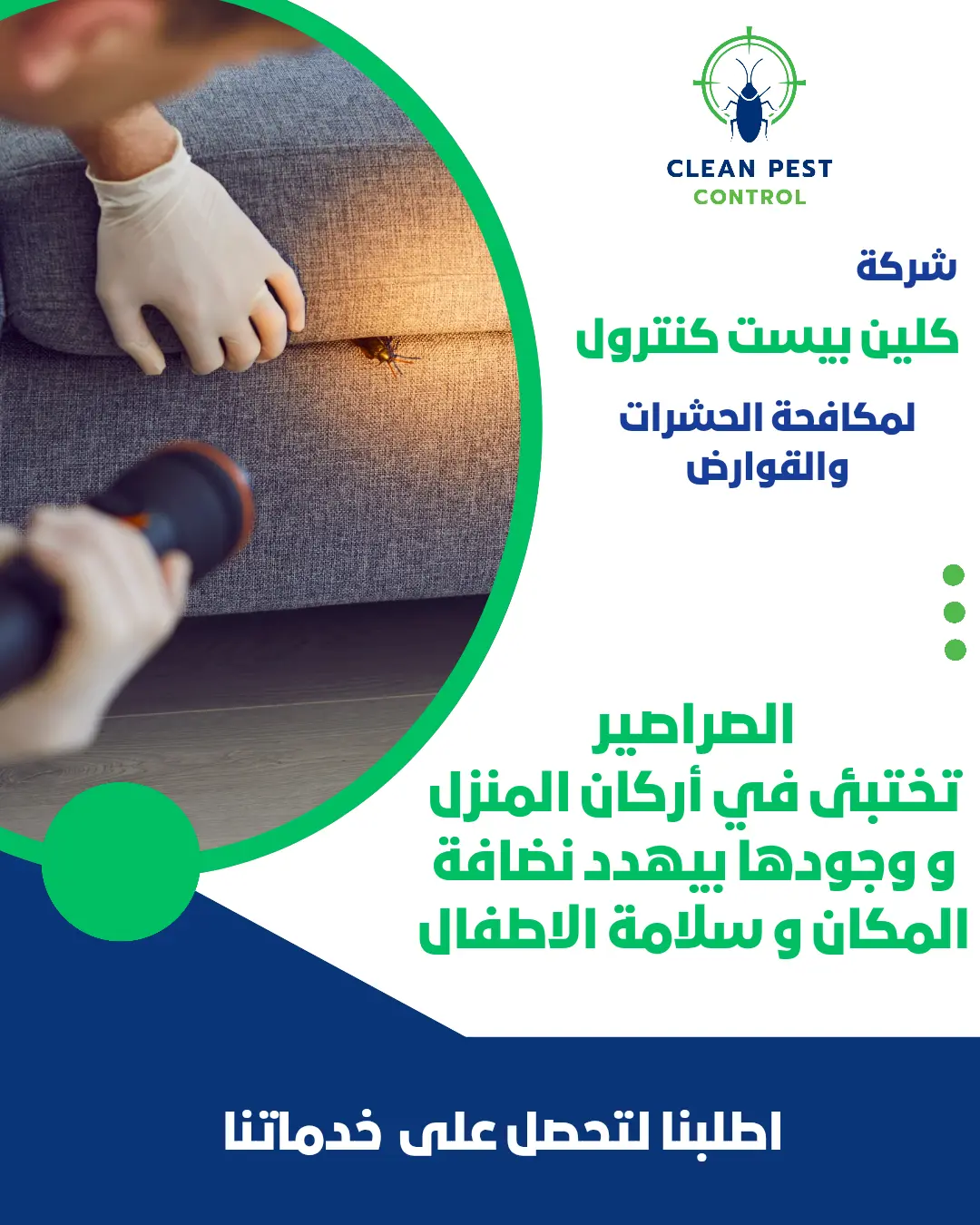
Inside residential homes, the highest priority is always the safety and comfort of the family. Before beginning any treatment program, professional technicians determine whether children, elderly family members, pregnant women, individuals with allergies or household pets are present because this information directly influences the treatment methods selected, the scheduling of the service and the recommendations provided after completion.
Many homeowners are also concerned about treatment odors and overall household comfort. Professional technicians therefore recommend treatment programs appropriate for the property's characteristics while explaining re-entry periods, ventilation procedures, surface cleaning recommendations and when children may safely resume using treated areas. Clear communication with homeowners is considered an essential part of every successful residential pest management program because following professional recommendations significantly improves long-term treatment results.
Practical field experience consistently demonstrates that successful residential pest management is not measured solely by eliminating insects. The true objective is creating a comfortable, healthy and protected living environment for every member of the household after treatment has been completed.
Residential pest management focuses on:
- Child safety
- Family comfort
- Selecting the most appropriate treatment program
- Minimizing disruption during service
- Providing clear customer guidance
- Maintaining long-term treatment effectiveness
The success of residential pest management depends upon achieving the right balance between effective pest elimination, professional safety standards and the daily comfort of the entire family.
Offices and Businesses: Minimizing Operational Disruption
When professional pest control services are performed inside offices and commercial businesses, the primary objective is eliminating pest activity while allowing daily operations to continue with minimal interruption. For this reason, treatment schedules are carefully coordinated with management and may be carried out after business hours, during weekends or public holidays, or in multiple phases for larger facilities. This organized approach helps maintain employee productivity while avoiding unnecessary disruption to customers and business operations.
The nature of pest activity inside office environments also differs from residential properties. Pest problems are commonly concentrated in break rooms, kitchenettes, storage areas, suspended ceilings, electrical service rooms and waste collection areas. Professional technicians therefore perform comprehensive inspections of these locations before selecting the most appropriate treatment strategy while taking special care to protect electronic equipment, office furniture and important business documents.
Professional pest management companies also emphasize efficient project organization, clear communication with management and structured follow-up programs that reduce the likelihood of recurring infestations while supporting uninterrupted business operations.
Commercial pest management focuses on:
- Maintaining uninterrupted business operations
- Protecting equipment and office assets
- Scheduling treatment outside peak business hours
- Minimizing disruption for employees
- Providing ongoing monitoring programs
- Eliminating the true sources of infestation
Successful commercial pest management is measured not by how quickly treatment is applied, but by how effectively pest problems are resolved without affecting normal business activities.
Restaurants: Completely Different Hygiene Requirements
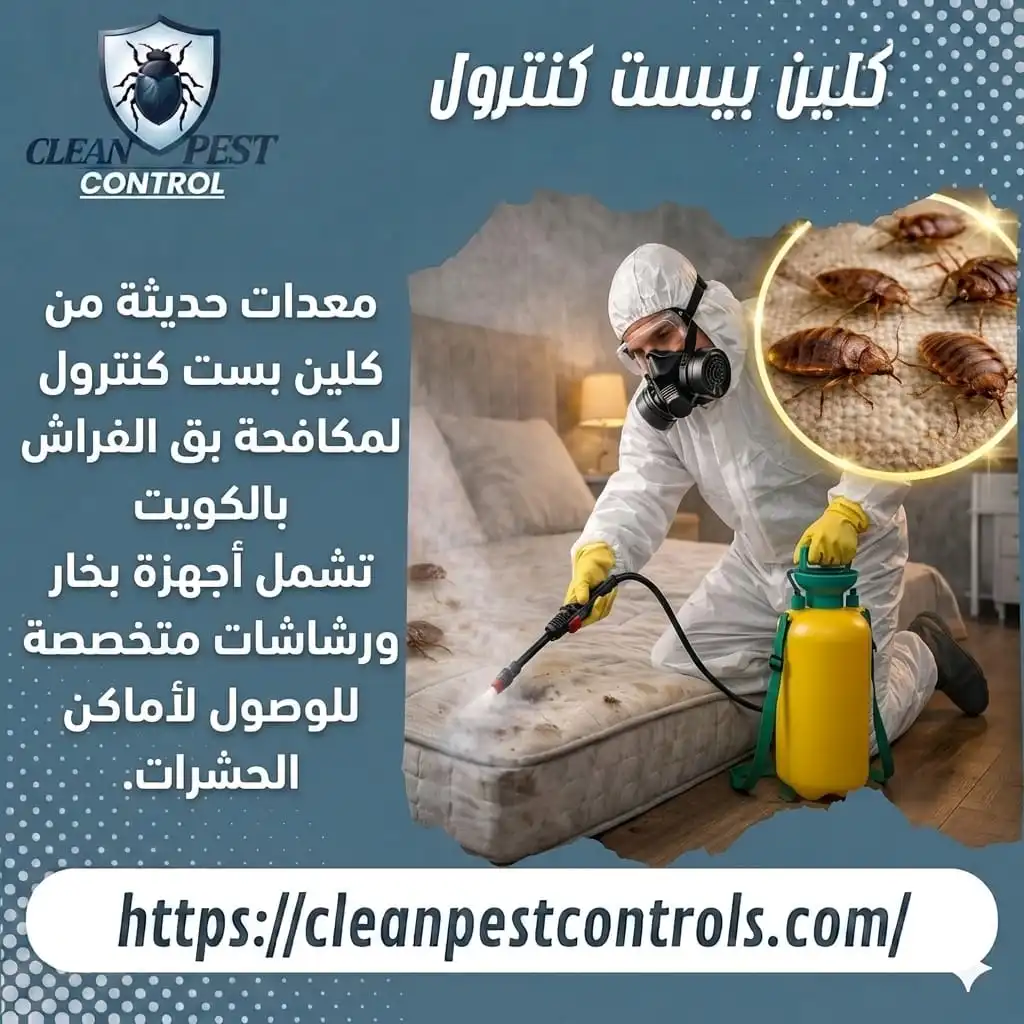
Restaurants require one of the most specialized pest management programs because any visible pest activity can directly affect food safety, customer confidence and the reputation of the business. Professional pest control inside restaurants therefore follows procedures that differ significantly from those used in ordinary residential or office environments. Special attention is given to kitchens, food preparation areas, storage rooms, drainage systems and waste management locations while maintaining strict hygiene standards throughout the treatment process.
Treatment schedules are carefully arranged to avoid interfering with food preparation or customer service. Professional technicians select treatment methods appropriate for each area within the restaurant while ensuring that cleaning procedures, ventilation requirements and food safety recommendations are completed before normal operations resume.
Restaurant pest management also extends beyond eliminating existing infestations. Customers receive practical recommendations regarding sanitation, waste management practices and environmental improvements that reduce conditions likely to attract future pest activity.
Restaurant pest management programs include:
- Kitchen inspections
- Storage area treatments
- Drainage pest management
- Protection of food preparation areas
- Scheduled monitoring programs
- Continuous preventive recommendations
Restaurants benefit most from continuous preventive pest management rather than relying solely on occasional treatment after infestations become visible.
Warehouses: Emphasis on Rodents and Stored Product Pests
Warehouses present a completely different pest management environment from homes and office buildings because the primary objective is protecting stored inventory from contamination, structural damage and financial loss. Professional programs therefore place particular emphasis on rodent management together with the control of stored product insects and other pests capable of damaging food products, paper goods, packaging materials or wooden storage systems.
Professional technicians begin every warehouse inspection by examining storage racks, loading areas, ventilation systems, service openings and utility penetrations because these frequently serve as entry points for rodents and insects. The organization of stored inventory is also evaluated since overcrowded or poorly arranged storage areas often provide ideal hiding places where pest populations can develop unnoticed.
Effective warehouse pest management combines preventive measures with continuous monitoring rather than relying solely on pesticide applications after infestations become established. This integrated approach helps reduce product losses while protecting inventory quality throughout the storage process.
Warehouse pest management emphasizes:
- Professional rodent control
- Inventory protection
- Inspection of structural entry points
- Monitoring storage racks and access routes
- Scheduled inspection programs
- Reducing product damage and financial losses
The more effective the warehouse monitoring program becomes, the lower the risk of inventory losses caused by insects or rodents.
Hospitals: The Highest Level of Safety Requirements
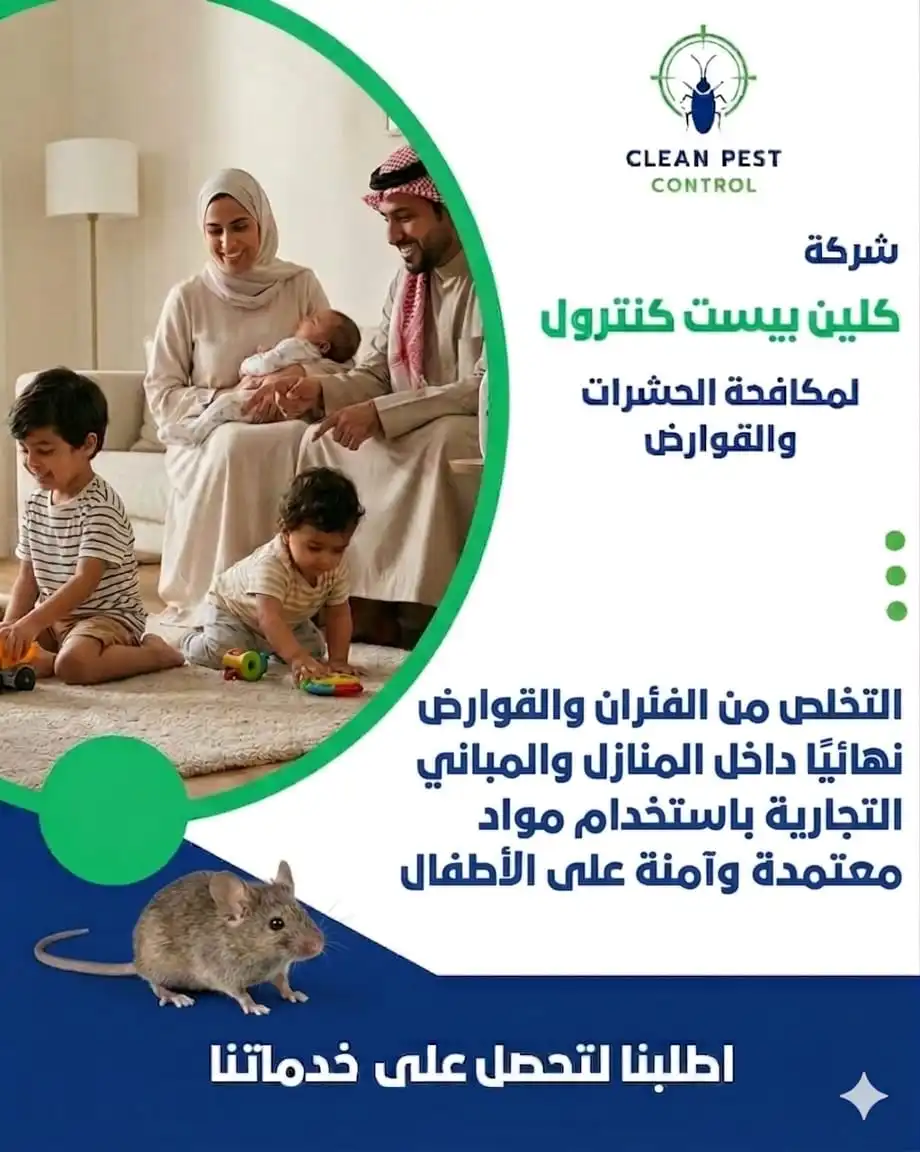
Hospitals and healthcare facilities represent some of the most sensitive environments for professional pest management because protecting patients, healthcare staff and visitors always remains the highest priority. Every treatment program is therefore carefully planned before work begins, including identifying treatment locations, selecting appropriate scheduling and coordinating all activities with facility management.
Healthcare facilities are divided into operational zones according to their function because patient rooms, operating theatres, laboratories, medical storage areas, kitchens and administrative offices each require different pest management procedures and safety considerations.
Professional pest control within healthcare environments extends far beyond pesticide application. Comprehensive monitoring programs, routine inspections and ongoing risk assessments are all incorporated into the overall pest management strategy to maintain a clean, healthy and protected medical environment throughout the year.
Healthcare facility pest management emphasizes:
- Patient protection
- Safety of healthcare personnel
- Carefully planned treatment schedules
- Continuous monitoring programs
- Comprehensive risk assessment
- Compliance with the highest professional safety standards
Every stage of pest management inside healthcare facilities is carefully planned to achieve effective pest control while fully protecting the medical environment.
Documentation and Service Records: Essential for Businesses, Optional for Homes
One of the most significant differences between residential and commercial pest control services is the level of documentation required. Many commercial facilities, corporate offices, restaurants, warehouses and institutional buildings require detailed service records that can be reviewed during internal audits, quality inspections or regulatory evaluations. Professional pest management therefore extends beyond treatment itself to include written reports documenting inspection dates, identified pest activity, corrective actions performed and future monitoring recommendations.
Residential customers, on the other hand, are usually more concerned with resolving the infestation quickly and receiving practical recommendations that help prevent future pest problems. Most homeowners do not require extensive service records or formal documentation after every visit. As a result, administrative procedures differ considerably between residential and commercial services even though the technical quality of the pest management program remains equally high.
Comprehensive documentation also enables businesses to review previous pest activity, evaluate the effectiveness of preventive programs and make informed decisions when updating long-term integrated pest management strategies.
Commercial documentation commonly includes:
- Detailed service reports
- Pest management records
- Scheduled follow-up plans
- Documentation of infestation locations
- Technical recommendations
- Ongoing inspection files when required
Professional documentation plays an important role in commercial pest management because it supports continuous improvement and long-term preventive planning.
Routine Service Contracts: Essential for Businesses, Optional for Homes
Many businesses, restaurants, factories and warehouses rely on scheduled pest management contracts because their operations require continuous monitoring rather than waiting until infestations become visible. Routine service agreements provide regularly scheduled inspections, preventive treatments and early detection of pest activity before minor problems develop into major infestations capable of interrupting business operations.
Residential homeowners may also benefit from preventive service contracts, although these programs remain optional depending upon the property's characteristics and the customer's individual preferences. Some homes benefit from seasonal preventive visits, while others require professional treatment only when pest activity is actually observed.
Practical experience consistently demonstrates that preventive pest management contracts reduce long-term costs for commercial properties by minimizing emergency treatments, preventing operational disruptions and reducing financial losses associated with severe infestations.
Routine service agreements provide:
- Scheduled inspection visits
- Early detection of pest activity
- Reduced infestation risks
- Protection for commercial operations
- Continuous professional monitoring
- Improved long-term treatment effectiveness
Preventive pest management contracts represent an investment that protects business operations while significantly reducing emergency treatment costs.
Clean Pest Control Serves Homes and Businesses with the Same Professional Standards
Clean Pest Control follows a flexible operating approach that allows every treatment program to be individually designed according to the customer's property, whether serving a private residence, corporate office, restaurant, hospital, warehouse or industrial facility. Rather than applying identical procedures to every customer, our technicians develop customized pest management strategies based on the property's characteristics, operational requirements, infestation severity and safety priorities.
Every project begins with a detailed inspection followed by careful analysis of infestation sources before selecting the most appropriate treatment techniques. Customers receive clear explanations regarding every stage of the service together with practical preventive recommendations and follow-up support whenever appropriate.
This professional approach enables Clean Pest Control to provide highly effective pest management solutions across many different industries while maintaining the same consistent quality standards whether serving a small residential apartment or a large multi-building commercial facility.
Customers choose Clean Pest Control because of:
- Customized programs for every industry
- Highly experienced technicians
- Professional property inspections
- Solutions for residential and commercial facilities
- Strict commitment to safety standards
- Ongoing follow-up support when required
We believe successful pest management always begins with understanding the property before selecting the appropriate treatment strategy.
Why Is Clean Pest Control the Best Pest Control Company in Kuwait?
Clean Pest Control's success is built on much more than the products we use. Our greatest strength lies in designing specialized pest management solutions tailored to the unique requirements of every property type. Residential homes require treatment programs emphasizing family safety and comfort, while commercial businesses focus on uninterrupted operations. Restaurants, healthcare facilities and industrial properties each require their own specialized procedures and professional standards.
Our experienced technicians manage pest control programs across residential, commercial and institutional environments using modern equipment, structured monitoring programs and preventive strategies that reduce the likelihood of recurring infestations while maintaining consistently high treatment quality.
As a result, Clean Pest Control has become a trusted long-term pest management partner for customers seeking reliable, professional solutions specifically adapted to the needs of their homes, businesses and commercial facilities throughout Kuwait.
Conclusion
Professional pest control is not a single service suitable for every property. Instead, it consists of carefully designed treatment programs developed according to the property's purpose, operational activities, risk level and safety requirements. The more accurately a pest management program reflects the characteristics of the property, the more effective and sustainable the long-term results become.
For this reason, Clean Pest Control evaluates every property individually before designing a customized treatment strategy for homes, businesses, restaurants, warehouses, hospitals and many other facility types while maintaining the highest professional standards of quality, safety and operational excellence throughout every stage of service.
Frequently Asked Questions
Is pest control for businesses different from residential pest control?
Yes. The inspection process, treatment planning, operational scheduling, safety requirements and long-term monitoring programs all differ according to the property's purpose and daily activities.
Why do restaurants require specialized pest management programs?
Because restaurants handle food products and must maintain strict hygiene standards, pest management procedures must protect food safety while complying with operational and sanitation requirements.
Do all businesses need routine pest management contracts?
Most commercial facilities benefit significantly from preventive service agreements because regular inspections help prevent serious infestations while protecting business operations and reducing emergency treatment costs.
Can the same pest management program be used for both homes and offices?
No. Residential and commercial environments have different occupancy patterns, operational requirements, risk factors and safety priorities, making customized treatment programs essential.
Why should I choose Clean Pest Control?
Because Clean Pest Control develops customized pest management solutions for every property type, combining professional inspections, experienced technicians, modern treatment methods, strict safety standards and long-term preventive support to deliver reliable pest control throughout Kuwait.