
The kitchen is considered the most attractive area for pests in any home in Kuwait because it combines the three essential elements every pest needs to survive: food, water and warmth. Although most families clean their kitchens every day, many pest hiding places remain completely unnoticed, allowing cockroaches, ants and other household pests to breed and spread without being discovered until the infestation becomes much more serious. This is why some homeowners are surprised to continue seeing insects despite maintaining what appears to be a clean kitchen. In this article, we explore the hidden locations that are frequently overlooked during routine cleaning, explain why they become ideal pest breeding sites and discuss the professional methods that help eliminate infestations while keeping kitchens clean, safe and protected throughout the year.
Why Is the Kitchen the Primary Pest Environment in Every Home?
Whenever insects search for a suitable place to establish themselves inside a home, the kitchen is usually their first choice because it provides everything they need to survive and reproduce. Tiny food particles that often go unnoticed, water droplets around sinks and the warmth generated by household appliances combine to create an ideal environment for cockroaches, ants, flies and many other household pests. Even kitchens that appear perfectly clean on the surface may still provide excellent living conditions for insects hidden in places that are rarely inspected. As a result, many infestations begin inside kitchens before gradually spreading to storage rooms, bathrooms and eventually other areas of the house.
The issue is not always caused by poor cleanliness. Kitchen design itself often contributes to pest activity. Closed cabinets, narrow spaces behind appliances, concealed plumbing lines and inaccessible corners provide insects with secure locations where they can hide, reproduce and lay eggs without disturbance. Daily food preparation also introduces continuous moisture, crumbs and organic residues, allowing certain pest species to remain active for extended periods before homeowners become aware of their presence.
Practical field experience consistently demonstrates that most residential cockroach infestations originate inside kitchens before expanding into other parts of the property. Protecting the kitchen therefore represents the first and most important stage of any successful professional pest control program.
The primary reasons kitchens attract pests include:
- Continuous food availability
- Moisture and water sources
- Heat generated by appliances
- Numerous hidden shelter areas
- Drainage and plumbing systems
- Constant daily activity
Reducing these attractive conditions makes kitchens far less appealing to pests and significantly easier to maintain in a hygienic condition.
Behind the Refrigerator and Stove: The Most Neglected Areas
One of the most common mistakes homeowners make is cleaning only the visible kitchen surfaces while leaving the spaces behind refrigerators and stoves untouched for months at a time. These hidden locations provide some of the most favorable environments for cockroaches because they combine darkness, warmth, accumulated grease and scattered food particles while remaining difficult to access during everyday cleaning routines.
Cockroaches take full advantage of these conditions by establishing colonies where human activity is minimal. Heat generated by refrigerator compressors and cooking appliances further encourages pest activity, especially during cooler seasons or nighttime hours. Many homeowners mistakenly believe pests have recently entered from outside the house when, in reality, the infestation has been developing unnoticed behind major appliances for weeks or even months.
For this reason, professional pest control services never limit treatment to exposed surfaces alone. Whenever possible, technicians move appliances, inspect the hidden spaces thoroughly and treat signs of pest activity including egg cases, droppings and concealed nesting sites that ordinary household cleaning cannot reach.
When inspecting behind appliances, pay particular attention to:
- Food debris
- Grease accumulation
- Cockroach droppings
- Egg capsules
- Moisture
- Nearby cracks and gaps
Regular cleaning and inspection of these neglected areas greatly reduces the likelihood of cockroach colonies becoming established inside the kitchen.
Under the Sink: The Cockroaches' Favorite Shelter

If there is one location inside the kitchen that consistently attracts cockroaches more than any other, it is the area beneath the sink. This space combines permanent moisture, plumbing systems and drainage pipes with dark enclosed surroundings that rarely receive thorough cleaning. Even a minor water leak that goes unnoticed for several days can create ideal living conditions for cockroaches that depend heavily on moisture for survival.
The problem is not limited to cockroaches alone. Ants and several other moisture-loving insects are also attracted to this environment. Furthermore, many homeowners store cleaning supplies, plastic bags and unused household items beneath the sink, creating additional hiding places that make pest detection considerably more difficult.
During numerous professional pest control inspections, technicians have discovered that the true source of an infestation was located beneath the kitchen sink even though insects were only becoming visible elsewhere after the colony had grown significantly. By the time homeowners begin seeing pests across countertops or floors, the original nesting site often remains hidden beneath the plumbing system.
To reduce pest activity beneath the sink, always:
- Check regularly for plumbing leaks
- Clean the area thoroughly
- Remove unnecessary stored items
- Inspect drainage pipes
- Seal openings around plumbing connections
- Improve ventilation whenever possible
Giving special attention to the area beneath the sink helps eliminate one of the most common breeding locations for cockroaches in Kuwaiti kitchens.
Wooden Cabinets and Drawers: An Ideal Environment for Cockroaches
Kitchen cabinets may appear perfectly clean from the outside, yet many infestations actually begin inside drawers, rear cabinet corners and hidden wooden joints. Natural wood construction contains narrow gaps, small cavities and concealed corners that are difficult to reach during routine cleaning. At the same time, tiny amounts of flour, sugar, rice, spices and other food particles frequently accumulate inside cabinets through normal daily use. These seemingly insignificant residues become a constant food source for cockroaches and other pantry pests. Over time, insects establish themselves behind hinges, beneath shelves and inside hidden structural spaces before emerging at night to search for additional food and then returning unnoticed before daylight.
Many homeowners also store kitchen utensils or household items that are rarely used inside lower cabinets. Because these storage spaces remain unopened for long periods, they provide quiet, undisturbed environments where insects can breed safely. If moisture from plumbing leaks or humidity reaches the wooden cabinets, conditions become even more favorable because cockroaches thrive in warm, humid environments that offer reliable shelter.
Professional pest control technicians never limit treatment to visible flooring alone. Every cabinet, drawer and shelf is carefully inspected for cockroach droppings, egg capsules, hidden cracks and other signs of pest activity. Appropriate treatment methods are then selected to eliminate infestations without contaminating food preparation areas or damaging kitchen equipment.
To keep kitchen cabinets pest-free:
- Clean drawer interiors regularly
- Remove spilled food immediately
- Avoid storing opened food packages
- Repair moisture problems affecting wooden cabinets
- Improve cabinet ventilation
- Inspect hidden rear corners routinely
Organized, dry and thoroughly cleaned cabinets are far less likely to become hidden breeding sites for cockroaches.
Drainage Pipes and Floor Drains: The Main Entry Point for Pests

Drainage systems and kitchen floor drains represent one of the most important routes through which pests enter residential kitchens. Cockroaches, in particular, can travel through underground drainage networks before emerging through floor drains in search of food and water. As a result, homeowners often believe that pests have suddenly appeared when, in reality, insects may have been entering through the drainage system for days or even weeks before becoming visible.
Accumulated grease, food residues and organic material inside drainage pipes further encourage pest activity by providing both food and attractive odors. Unless drains are cleaned and maintained regularly, they become permanent access points that allow insects to reinfest kitchens even after professional pest control treatments have been completed.
Professional pest management companies therefore treat drainage systems differently from other kitchen surfaces. Specialized treatment methods target pest entry points deep within the drainage network rather than focusing exclusively on visible floor areas. Customers also receive practical maintenance recommendations to help keep drainage systems clean and reduce future pest activity.
To reduce pest problems associated with kitchen drains:
- Clean drains regularly
- Remove grease and organic buildup
- Ensure drain covers remain secure
- Prevent standing water
- Investigate unusual odors
- Inspect drainage systems if cockroach activity continues
Maintaining drainage systems is just as important as cleaning kitchen floors because drains frequently represent the primary route through which pests enter the home.
Cracks Behind Kitchen Tiles: Hidden Egg-Laying Locations
Even beautifully maintained kitchens often contain tiny cracks behind wall tiles, where floors meet walls or around plumbing fixtures. Although these openings appear insignificant, they provide ideal hiding places where cockroaches and other insects can shelter and lay their eggs safely. These narrow spaces usually escape attention during routine cleaning, yet they offer insects complete protection from light, human activity and ordinary household cleaning products.
The problem becomes even more serious when moisture reaches these cracks or when silicone sealants and grout begin deteriorating with age. Small openings gradually widen, allowing insects to travel behind cabinets and inside walls while remaining completely hidden until the infestation grows large enough for visible pest activity to occur.
Professional pest control programs place special emphasis on locating and treating these concealed areas. Technicians carefully inspect all visible cracks, apply appropriate treatment products and seal openings whenever practical because pesticide application alone cannot permanently solve an infestation if hidden nesting sites remain accessible.
To reduce the risk of pests breeding inside wall and floor cracks:
- Inspect tiled surfaces regularly
- Repair small cracks immediately
- Replace damaged silicone sealants
- Seal openings around plumbing fixtures
- Monitor hidden cabinet corners
- Schedule professional inspections if cockroach activity continues
Sealing cracks after proper treatment is one of the most effective ways to prevent future infestations while preserving the long-term effectiveness of professional pest control.
Unsealed Food Containers: An Open Invitation to Pests

One of the most common mistakes found in Kuwaiti kitchens is storing food in opened packages or leaving products inside their original bags after they have been used for the first time. Flour, sugar, rice, pasta, cereals, grains, spices and even pet food release subtle food odors that insects can detect remarkably well, even when humans cannot smell them. Over time, these invisible scent trails become continuous food signals that attract cockroaches, ants and various stored-product pests searching for a dependable food supply.
The problem extends beyond the food itself. Tiny crumbs left inside cupboards, on shelves or around storage areas provide enough nourishment to support insect populations for surprisingly long periods. Storing food containers directly against cabinet walls or placing them on the floor of cupboards also allows pests easier access while making infestations more difficult to detect during routine inspections.
During many professional inspections, technicians discover that recurring infestations are caused not by poor housekeeping but by improper food storage practices. Kitchens may appear perfectly clean, yet unsealed food containers continue supplying insects with everything they need to survive, making complete elimination significantly more difficult even after professional treatment.
To improve food storage:
- Use airtight food containers
- Dispose of damaged or torn packaging
- Clean shelves immediately after spills
- Avoid storing unnecessary quantities of food
- Regularly inspect product expiration dates
- Organize food to allow easy inspection
Proper food storage protects both food quality and eliminates one of the primary resources that sustain pest populations inside kitchens.
How Should You Prepare Your Kitchen Before Professional Pest Treatment?
The success of professional pest control depends not only upon the pest control company but also upon how well the kitchen has been prepared before technicians arrive. A clean, organized kitchen allows professionals to inspect hidden areas thoroughly and reach important treatment locations without unnecessary obstacles. For this reason, experienced pest management companies recommend several simple preparation steps that improve treatment efficiency while increasing the likelihood of achieving long-lasting results.
Preparation begins by removing food waste, washing dirty dishes and storing all food products safely inside sealed containers or relocating them temporarily during treatment. Customers should also empty the space beneath the sink, move portable items whenever possible and provide technicians with access to the areas behind major kitchen appliances if practical. Homeowners are generally advised not to apply household pesticides immediately before the professional visit because doing so may force insects deeper into hidden locations, making treatment less effective.
It is equally important to inform technicians about every location where pest activity has been observed previously. This valuable information helps direct the inspection toward the most active infestation areas rather than relying solely upon visible evidence during the visit.
Before the treatment appointment:
- Remove food waste
- Seal or relocate food products
- Empty the area beneath the sink
- Clean surfaces without using pesticides
- Provide access around appliances
- Inform technicians where pests have been seen
Proper preparation allows technicians to perform more accurate treatments while significantly improving the overall effectiveness of the pest control program.
After Treatment: How Can You Prevent Pests From Returning?
Once professional treatment has been completed, maintaining the results becomes the homeowner's most important responsibility. Many recurring infestations occur not because the treatment failed but because the environmental conditions that originally attracted pests remain unchanged. Following post-treatment recommendations therefore plays a critical role in extending protection while preventing new colonies from becoming established.
One of the most important preventive measures is keeping the area beneath the sink dry by repairing plumbing leaks promptly and preventing standing water. Food waste and garbage should never remain inside the kitchen overnight, while drainage systems and strainers should be cleaned regularly to remove grease and organic residues. Homeowners should also inspect cabinets, hidden corners and wall cracks periodically to identify early signs of renewed pest activity before a larger infestation develops.
Occasionally, a small number of insects may still appear during the first few days after treatment. This does not necessarily indicate treatment failure because pests hidden deep within wall voids or concealed nesting sites often emerge after exposure to professional pesticides. However, if significant activity continues beyond the expected period, customers should contact the pest control company to request follow-up service according to the warranty conditions.
To preserve treatment results:
- Keep the kitchen clean every day
- Repair all plumbing leaks promptly
- Store food in airtight containers
- Clean drains regularly
- Inspect cracks and hidden corners
- Follow all post-treatment recommendations
Daily preventive maintenance is the key to preserving successful pest control results and minimizing the likelihood of future infestations.
When Does Your Kitchen Need Professional Pest Treatment Instead of Just Cleaning?
Routine kitchen cleaning is an essential part of maintaining a healthy home, but it is not a complete solution for every pest infestation. Many homeowners clean countertops, floors and cabinets every day, yet cockroaches or ants continue to appear repeatedly. The reason is that the real problem often exists far beyond the visible surfaces. Pest colonies may be hidden deep inside wall cavities, behind kitchen cabinets, beneath appliances, inside drainage systems or within structural cracks that ordinary household cleaning simply cannot reach.
Several warning signs indicate that professional pest control has become necessary. Seeing cockroaches during daylight hours usually suggests a large hidden infestation because these insects normally remain concealed during the day. Repeated pest sightings after thorough cleaning, finding cockroach droppings, discovering egg capsules inside cabinets or noticing insects emerging from drains all indicate that the infestation has progressed beyond what ordinary cleaning or household sprays can solve. Unusual odors coming from hidden areas may also suggest active pest colonies developing behind walls or beneath kitchen fixtures.
Professional pest control companies begin by conducting a comprehensive inspection to locate nesting sites, determine infestation severity and identify the most appropriate treatment strategy for the specific pest species involved. Specialized equipment and approved treatment products are then used to reach hidden locations inaccessible during routine household maintenance. After treatment, customers receive practical prevention recommendations that reduce the likelihood of future infestations.
Your kitchen may require professional treatment if you notice:
- Cockroaches appearing during daylight
- Pest activity continuing despite regular cleaning
- Cockroach droppings or egg capsules
- Insects emerging from drains
- Pest activity spreading throughout the kitchen
- Household pesticides producing only temporary results
The earlier professional intervention begins, the easier, faster and more cost-effective complete pest elimination becomes.
Why Is Clean Pest Control the Best Pest Control Company in Kuwait?
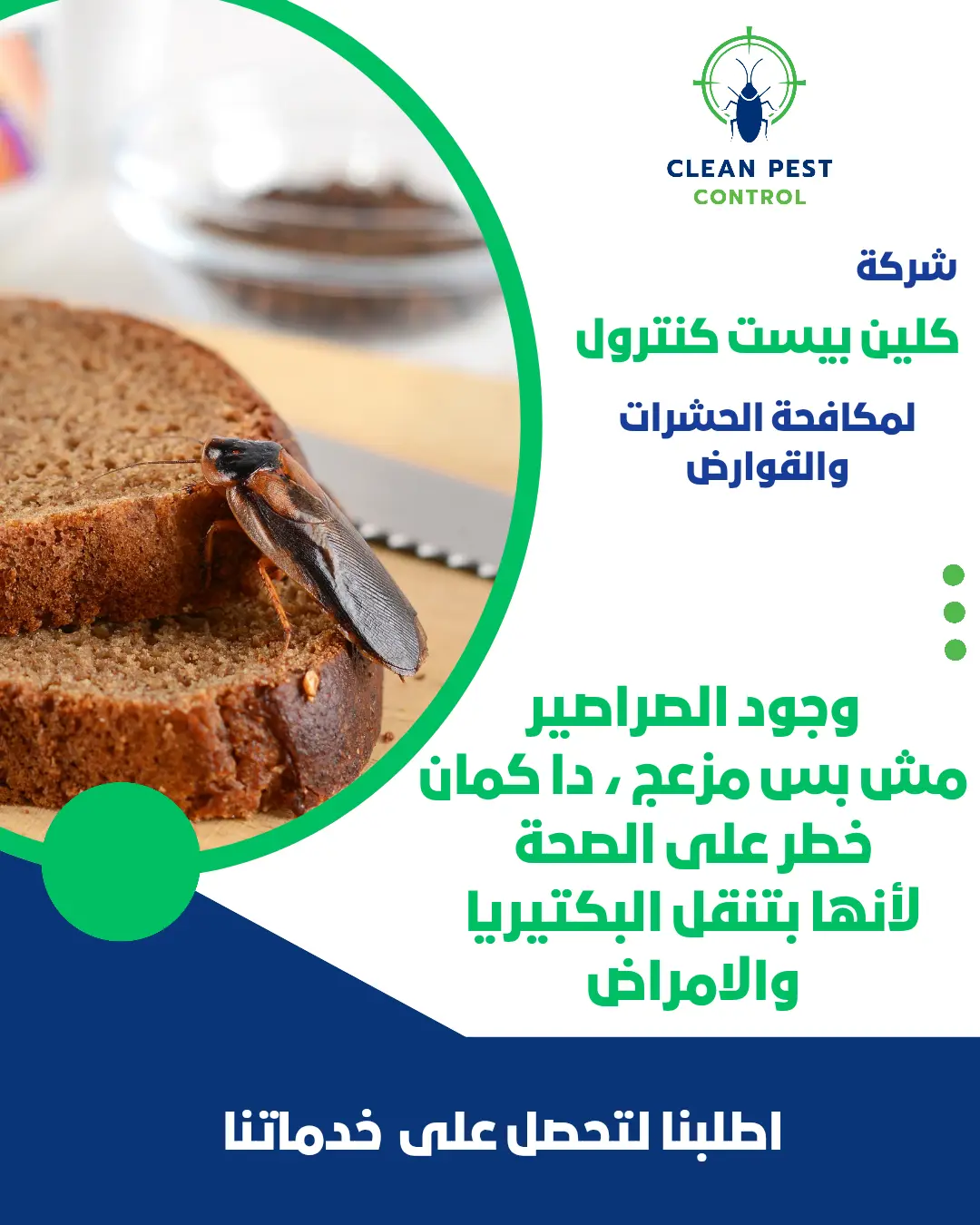
Clean Pest Control follows a comprehensive professional approach specifically designed to eliminate kitchen pests by targeting the hidden locations that are frequently overlooked during ordinary cleaning or basic pesticide applications. Treatment extends far beyond visible surfaces to include areas behind refrigerators and cooking appliances, beneath sinks, inside cabinets, around drainage systems and within the narrow structural cracks where insects hide, breed and lay eggs.
Every project begins with a detailed inspection to identify the pest species and determine the true source of the infestation before selecting the most appropriate treatment program. Licensed pesticides and professional-grade equipment allow technicians to reach active nesting areas while maintaining strict safety standards for kitchens and food preparation environments. Customers also receive detailed post-treatment guidance together with follow-up services whenever appropriate according to the selected pest management program.
The company provides specialized pest control services for homes, apartments, villas, restaurants and food-related commercial facilities throughout Kuwait. Rather than simply eliminating visible insects, treatment focuses on removing the underlying causes of infestation, significantly reducing the likelihood of recurring pest problems.
Clean Pest Control is distinguished by:
- Comprehensive kitchen inspections
- Licensed and approved treatment products
- Elimination of hidden nesting locations
- Highly experienced technicians
- Customized treatment plans
- Practical post-treatment prevention advice
- Warranty coverage based on service type
- Complete service throughout Kuwait
This professional methodology provides greater treatment accuracy while producing significantly longer-lasting pest control results than temporary household solutions.
Conclusion
The kitchen is far more than simply a place for preparing meals. It is also the area of the home most likely to attract insects whenever hidden food sources, moisture and shelter remain available. Cleaning visible surfaces alone is rarely sufficient because most infestations originate behind appliances, beneath sinks, inside cabinets, around drainage systems and within structural cracks long before insects become visible throughout the kitchen.
Combining consistent cleaning, proper food storage, moisture control and timely professional pest management creates the strongest long-term protection against kitchen infestations. When pest control programs focus on identifying hidden nesting sites rather than simply treating visible insects, the likelihood of recurring infestations decreases dramatically. This comprehensive philosophy forms the foundation of every kitchen pest management program provided by Clean Pest Control throughout Kuwait, helping homeowners maintain healthier, safer and pest-free kitchens all year round.
Frequently Asked Questions
Why do cockroaches keep appearing even though my kitchen is always clean?
Cockroaches are attracted not only to food waste but also to moisture, warmth and hidden shelter areas such as cracks, drainage systems, behind appliances and beneath sinks. Even a clean kitchen may still provide suitable living conditions if these hidden areas are overlooked.
Are household insect sprays enough to eliminate kitchen pests?
Household pesticides may temporarily reduce visible insect activity, but they rarely reach hidden colonies, egg capsules or deeply concealed nesting sites. Professional treatment is generally required for complete elimination.
When is the best time to schedule kitchen pest control?
Professional treatment is usually most effective when the kitchen can remain unused for several hours afterward, allowing sufficient time for treatment products to work safely and effectively according to the technician's recommendations.
How can I prevent pests from returning after treatment?
Maintain daily kitchen cleanliness, repair plumbing leaks immediately, store food in airtight containers, clean drainage systems regularly, seal structural cracks and carefully follow all post-treatment instructions provided by your pest control company.
When should I call a professional pest control company instead of relying on cleaning alone?
If insects continue appearing despite regular cleaning, if you discover cockroach droppings or egg capsules, or if pest activity spreads throughout multiple areas of the kitchen, a professional inspection and specialized treatment should be arranged as soon as possible.