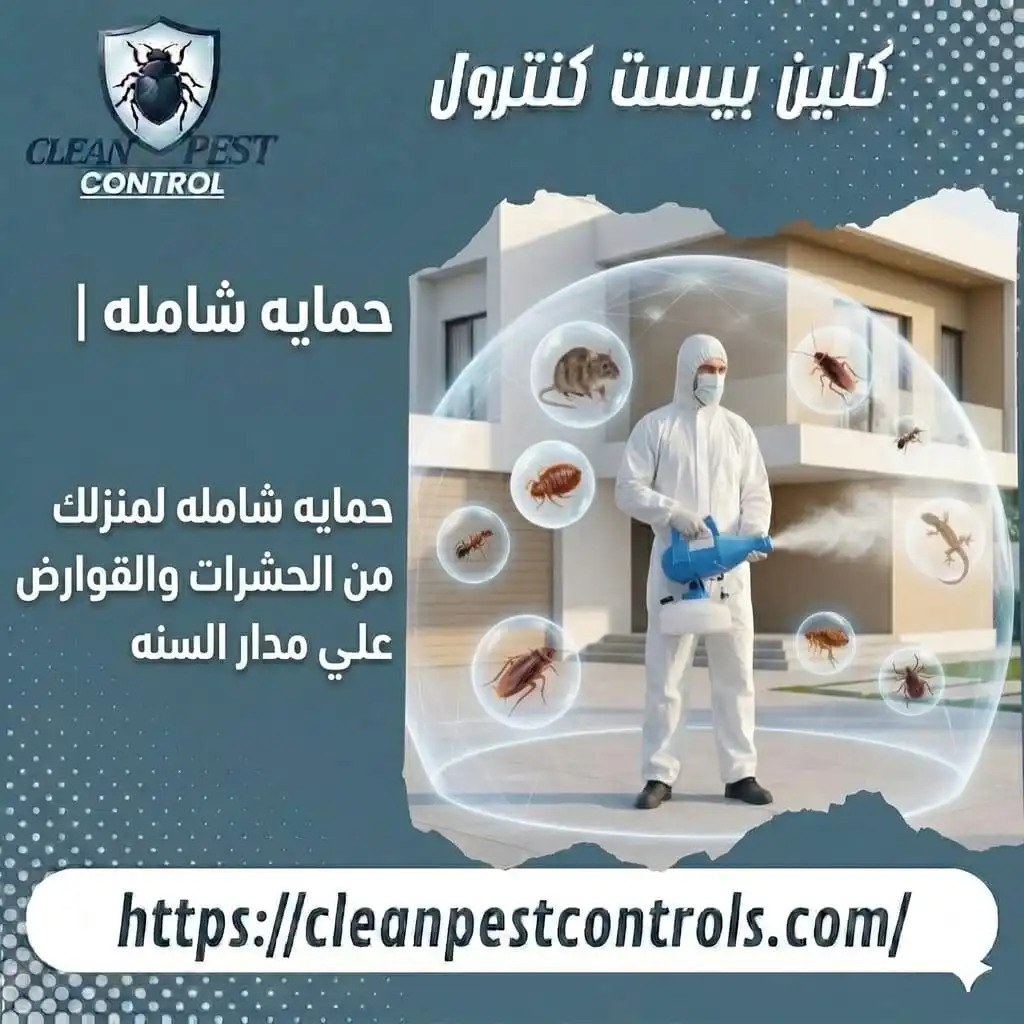
Residents across Kuwait encounter dozens of insect species throughout the year, yet many people cannot distinguish one pest from another or understand the level of risk each species presents. As a result, completely different pests are often treated using the same control method even though every species has its own behavior, preferred habitat and management strategy. Correct pest identification is therefore the first and most important step toward successful long-term control. In this guide, we introduce the most common crawling and flying pests found throughout Kuwait, explain the major differences between them, describe how to identify each species correctly and show why accurate diagnosis allows professionals to choose the most effective treatment program without wasting time or applying unsuitable control methods.
How Can You Identify the Insect You Are Seeing?
The first question most homeowners ask after discovering an unfamiliar insect is, "What kind of insect is this?" The correct answer depends on much more than its size or color. Professional identification relies upon several important characteristics including body shape, number of legs, movement patterns, location where the insect was found and the time of day when it becomes active.
For example, insects appearing inside kitchens during the night are usually very different from those found near windows, gardens or outdoor lighting. Likewise, insects living inside wooden structures differ significantly from species that inhabit fabrics, mattresses or stored materials. For this reason, making assumptions based solely on appearance frequently leads to incorrect identification and ineffective treatment.
Extensive field experience has shown that many unsuccessful pest control attempts occur because people assume every insect behaves similarly when, in reality, completely different management programs are required.
Professional identification considers:
- Body shape and overall size
- Body color
- Presence or absence of wings
- Location where the insect appears
- Time of daily activity
- Movement patterns and behavior
The more accurately the pest is identified, the faster and more effective the treatment program becomes.
American Cockroach vs German Cockroach: An Important Difference
Although both species belong to the cockroach family, American cockroaches and German cockroaches differ dramatically in size, behavior, breeding habits and treatment requirements. American cockroaches are much larger and commonly inhabit drainage systems, service rooms and damp utility areas. German cockroaches, by contrast, are considerably smaller but reproduce much faster and usually infest kitchens, restaurants and electrical appliances.
German cockroaches present a greater management challenge because they hide inside extremely narrow cracks, behind appliances and within kitchen cabinets while reproducing rapidly. Professional treatment often relies heavily on specialized gel baits and precision baiting systems together with localized applications. American cockroach management frequently requires treatment of drainage systems, sewer connections and building perimeters in addition to professional spraying.
One of the most common mistakes is attempting to control both species using identical treatment methods even though their biology and behavior require completely different management strategies.
The primary differences include:
- American cockroaches are much larger
- German cockroaches reproduce more rapidly
- American cockroaches commonly inhabit drainage systems
- German cockroaches concentrate in kitchens and appliances
- Their hiding places differ significantly
- Their treatment programs are completely different
Correct identification saves valuable time while greatly improving treatment success.
Black Ants, Red Ants and Termites: Understanding the Differences

Many people assume every ant species behaves the same way, but the ants commonly found in Kuwait differ substantially in behavior, damage potential and control methods. Black ants typically search homes for food residues and sugary substances, while red ants are known for their painful bites and aggressive defensive behavior under certain conditions. What many people call "white ants" are actually termites, which are entirely different insects that feed on wood and may cause severe structural damage if infestations remain undetected.
Treatment programs differ just as dramatically. Black ant colonies are usually controlled through professionally selected bait systems that eventually reach the queen, whereas termite management requires specialized treatment strategies including soil barriers, injection systems and comprehensive colony elimination techniques.
Misidentifying these pests frequently results in inappropriate treatment methods that address only part of the problem while leaving the primary infestation active.
The major differences include:
- Black ants search homes for food
- Red ants are recognized by their painful bites
- Termites feed on wooden structures
- Each species forms different colony systems
- Their movement patterns differ
- Their treatment programs are entirely different
Correct identification is therefore essential before beginning any professional treatment.
Bed Bugs: Appearance and Bedroom Infestation Signs
Bed bugs are among the most concerning household pests because early infestations are often difficult to detect. Contrary to popular belief, they do not live directly on mattresses. Instead, they hide inside bed frames, behind headboards, within mattress seams and inside nearby furniture. Bed bugs are small, oval-shaped insects with brown bodies that become darker and more reddish after feeding on blood. They are primarily active at night while people are sleeping.
Successful identification does not depend solely upon seeing live insects because many infestations are first recognized through other warning signs such as clusters of bite marks, tiny black fecal spots on mattresses, shed insect skins or eggs hidden inside narrow cracks. Larger infestations may also produce a distinctive odor in enclosed bedrooms.
Practical experience consistently shows that early detection prevents bed bugs from spreading into additional rooms or traveling through furniture and luggage, making immediate professional inspection extremely important whenever suspicious signs appear.
Common signs of infestation include:
- Clusters of bite marks after sleeping
- Tiny black spots on mattresses
- Shed insect skins
- Eggs hidden inside structural cracks
- Occasional nighttime sightings
- Spread into nearby furniture
Early diagnosis significantly reduces infestation severity while improving treatment success.
Mice vs Rats: How Can You Tell the Difference?
Many people use the terms mouse and rat interchangeably even though they are very different animals with distinct behaviors, habitats and management requirements. Mice are considerably smaller and capable of entering buildings through extremely narrow openings. Rats possess much larger bodies, thicker tails and a greater ability to damage buildings, electrical wiring and stored products.
Their preferred environments also differ. Mice commonly infest homes, offices and small storage areas, whereas rats are more frequently associated with drainage systems, warehouses, commercial districts and agricultural facilities. These biological differences directly influence treatment programs because bait types, trap sizes and placement strategies vary considerably between the two species.
One common mistake is attempting to control large rat infestations using simple household traps that may be adequate for mice but prove ineffective against rats. Severe infestations generally require comprehensive inspection, structural exclusion, professional baiting systems and continuous monitoring.
The primary differences include:
- Rats are significantly larger
- Mice enter through much smaller openings
- Rats cause greater structural damage
- Their preferred habitats differ
- Different baits and traps are required
- Their treatment strategies are not the same
Correct species identification ensures the most effective control program.
Mosquitoes in Kuwait: Species and Peak Activity Seasons
Mosquito populations fluctuate throughout Kuwait depending upon seasonal conditions and local environmental factors. Their numbers typically increase during warmer periods whenever standing water allows larvae to develop successfully. Multiple mosquito species exist throughout Kuwait, each displaying different breeding habits, feeding behavior and periods of greatest activity, explaining why mosquito problems vary between locations.
Professional mosquito management begins by locating breeding sites rather than focusing exclusively on adult mosquitoes because eliminating larvae dramatically reduces future mosquito populations. Comprehensive programs often combine larval treatments, standing water management and thermal or cold fogging when appropriate according to environmental conditions.
Household mosquito repellents alone rarely provide lasting relief if nearby breeding sites remain untreated because new mosquitoes continue emerging throughout the season.
Mosquito populations depend upon:
- Standing water availability
- High temperatures
- Local humidity
- Environmental conditions
- Seasonal breeding cycles
- Preventive management efforts
Early treatment of breeding locations significantly reduces mosquito activity during peak seasons.
Wasps and Hornets: When Do They Become Dangerous?

Wasps and hornets do not normally attack people without reason. However, they become dangerous whenever they perceive their nests to be threatened or are accidentally disturbed. Many species can sting repeatedly, and certain individuals may experience severe allergic reactions requiring immediate medical attention.
These insects construct nests beneath roofs, inside gardens, within trees, under eaves and inside structural cavities depending upon the species. Attempting to remove active nests without professional equipment may trigger aggressive colony-wide defensive behavior.
Professional nest removal begins by identifying the species, locating the nest and selecting the safest treatment time because managing nests during periods of reduced insect activity greatly improves treatment success while minimizing risk.
Important safety recommendations include:
- Never approach active nests
- Avoid attempting manual removal
- Monitor new nesting activity
- Keep children away from nesting areas
- Contact professionals for large colonies
- Treat the surrounding area after nest removal
Proper professional management prevents unnecessary stings while ensuring complete nest elimination.
Silverfish: A Small Insect with Serious Damage Potential
Although silverfish neither bite people nor directly transmit diseases, they remain among the most troublesome indoor pests affecting homes, libraries, offices and buildings containing books, paper, clothing and cellulose-based materials. Their name comes from their shiny silver appearance and rapid fish-like movement. They are primarily nocturnal and spend daylight hours hiding inside cracks, beneath cabinets, behind wall panels and in humid kitchens and bathrooms.
Silverfish become problematic because they feed on paper, cardboard, adhesives, fabrics and wallpaper, gradually damaging valuable belongings without attracting attention until visible holes or feeding marks appear. Since they thrive in humid environments, moisture management becomes an essential component of successful control rather than merely an optional recommendation.
Professional treatment therefore extends beyond pesticide application to include moisture reduction, improved ventilation, structural sealing and treatment of hidden harborages because ignoring these conditions frequently allows infestations to return.
- Nighttime sightings after lights are switched on
- Damage to books and documents
- Holes in fabrics or wallpaper
- Activity in humid areas
- Presence behind furniture and cabinets
- Increasing numbers during humid periods
Combining moisture control with professional treatment produces far more reliable long-term results.
Wood Borers and Termites: Different Pests, Different Damage
Wood borers and termites are frequently confused because both attack wooden materials, yet they differ significantly in biology, behavior and treatment requirements. Wood borers live inside individual wooden items where eggs hatch and larvae consume internal wood fibers before emerging through tiny exit holes.
Termites, however, live in highly organized colonies that usually originate in the soil before invading buildings and structural timber. Left untreated, termite colonies may cause severe structural damage requiring extensive repairs. Consequently, termite management relies upon soil barriers, specialized injection systems and colony elimination techniques rather than the localized treatments commonly used for wood borers.
Confusing these pests often results in ineffective treatment that addresses only visible damage while allowing the primary infestation to continue spreading.
Major differences include:
- Wood borers live inside wooden objects
- Termites usually originate from soil
- Termites develop large colonies
- Infestation signs differ considerably
- Treatment strategies are entirely different
- Termites require specialized preventive systems
Professional inspection accurately identifies the infestation while preventing unnecessary structural losses.
Spiders in Kuwait: Which Ones Are Dangerous?
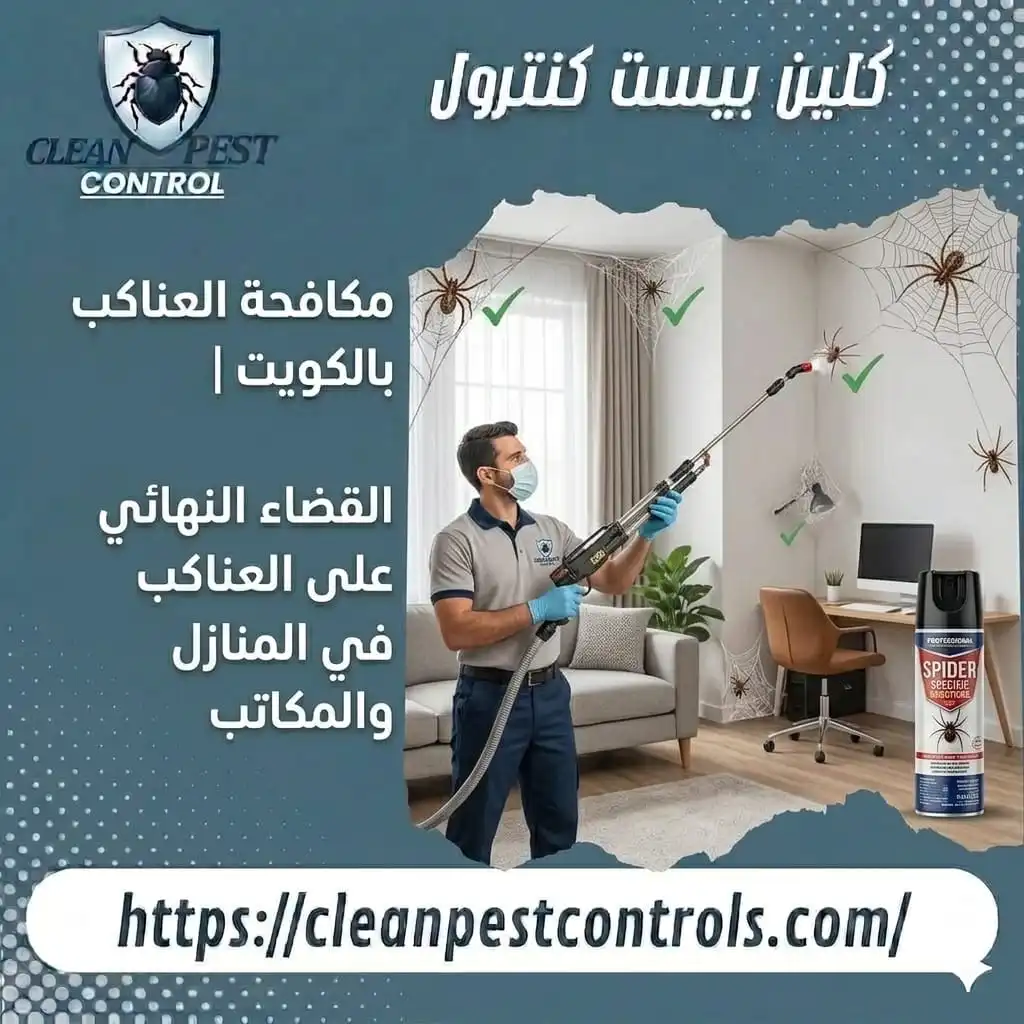
Kuwait is home to several spider species that vary in size, color and behavior. Fortunately, the overwhelming majority pose little direct danger to people and actually contribute to natural pest management by feeding on flies, mosquitoes and other household insects. Nevertheless, a limited number of species deserve caution if encountered inside homes, storage buildings or neglected structures.
Spiders prefer quiet undisturbed areas including storage rooms, rooftops, elevated corners and spaces behind furniture where they construct webs while waiting for prey. Consequently, large numbers of spider webs often indicate an abundant food supply resulting from other insect infestations rather than excessive spider populations themselves.
Professional spider management therefore focuses on removing webs and egg sacs while simultaneously reducing the insect populations that provide spiders with food. Eliminating this food source greatly reduces future spider activity.
- Most species are harmless
- They prefer quiet hidden locations
- They feed on other insects
- Removing webs alone is insufficient
- Reducing insect populations limits spider activity
- Professional treatment targets both webs and egg sacs
Integrated treatment programs provide long-term spider control while reducing associated insect activity.
Why Is Clean Pest Control the Best Pest Control Company in Kuwait?

Managing dozens of different pest species requires extensive practical experience because every insect possesses unique behavior, life cycles and hiding locations demanding specialized treatment methods. Clean Pest Control never relies on standardized solutions. Every service begins with detailed inspection to identify the pest species, infestation severity and environmental conditions before developing a customized treatment program.
Our experienced technicians utilize licensed pesticides, professional gel systems, specialized bait technologies, fogging equipment and advanced preventive treatment methods while maintaining the highest safety standards. Follow-up visits and preventive recommendations further reduce the likelihood of recurring infestations.
Our advantages include:
- Accurate identification of every pest species
- Customized treatment programs
- Licensed professional products
- Modern pest management technologies
- Highly experienced technicians
- Rapid response throughout Kuwait
- Scheduled follow-up services
- Preventive strategies minimizing future infestations
This professional approach ensures every treatment program is based upon scientific knowledge and practical experience rather than guesswork or random pesticide application.
Conclusion
Correctly identifying the insect found inside a home or business is far more than general knowledge. It represents the foundation upon which every successful pest management program is built. Every pest differs in habitat, breeding behavior, movement patterns and treatment requirements. Applying identical solutions to every infestation frequently produces only temporary results.
Through accurate diagnosis, appropriate treatment selection and professional implementation, long-lasting pest control can be achieved while minimizing unnecessary pesticide use and maintaining safer environments. Clean Pest Control therefore provides specialized management programs covering every major crawling and flying pest found throughout Kuwait while delivering professional solutions for homes, villas, commercial properties and industrial facilities.
Frequently Asked Questions
How can I identify the insect inside my home?
Body shape, size, location, activity period and behavior all provide useful clues, although professional inspection remains the most reliable method.
Does every insect require a different treatment?
Yes. Every species possesses unique biological characteristics requiring specifically selected products, treatment techniques and follow-up programs.
What is the difference between wood borers and termites?
Wood borers usually attack individual wooden items, while termites originate from soil and may seriously damage structural timber throughout buildings.
Are all spiders found in Kuwait dangerous?
No. Most spider species commonly found in Kuwait are harmless, although heavy spider activity often indicates the presence of other insect infestations.
Why is professional identification so important before treatment?
Because successful pest management depends upon correctly identifying the pest species, infestation source and severity, allowing technicians to select the most effective long-term treatment program.